Trump’s Decision to Waive Sanctions on Russia
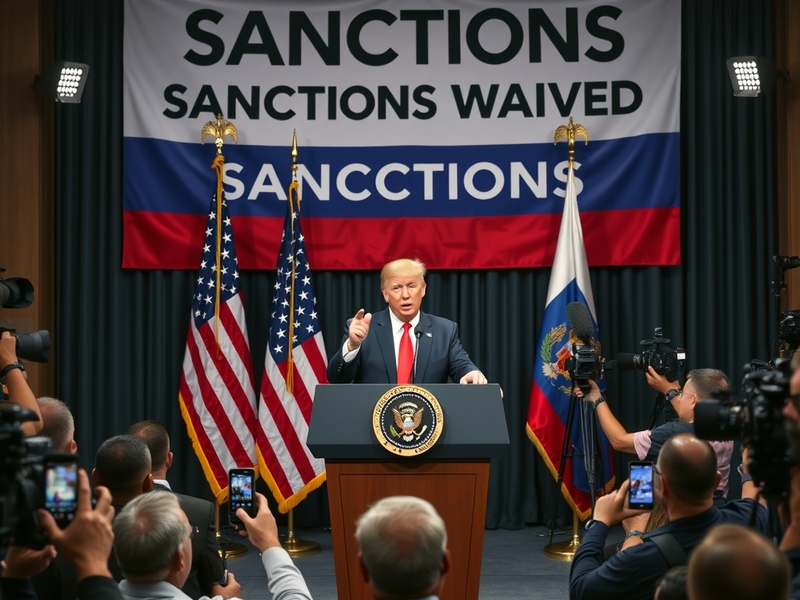
Former President Donald Trump’s decision to waive sanctions on Russia has sparked significant discussion and analysis regarding its implications for U.S. foreign policy and international relations. This move, while controversial, can be understood within a broader context of diplomatic strategies and geopolitical interests.
Background on Sanctions
Sanctions against Russia have been primarily motivated by its actions in Ukraine, interference in U.S. elections, and other aggressive behaviors on the global stage. The sanctions aimed to pressure the Kremlin into changing its policies and to hold it accountable for its actions. They included restrictions on key sectors, such as energy and finance, and targeted individuals believed to be influential in the Russian government.
However, Trump’s administration often took a different approach. His approach was characterized by a willingness to engage with Russia, suggesting that dialogue could lead to a more favorable outcome than isolation.
Key Reasons for Waiving Sanctions
There are several reasons Trump cited for waiving these sanctions. Understanding these reasons helps to clarify the broader implications of this decision:
- Economic Interests: Trump emphasized the potential for economic partnerships with Russia, particularly in the energy sector. By waiving sanctions, there is an opportunity for American companies to engage in lucrative deals.
- Diplomatic Relations: Strengthening diplomatic ties with Russia was seen as a way to enhance stability in regions of conflict, such as Syria and Ukraine. Engaging with Russia could lead to cooperative efforts in combating terrorism.
- Domestic Political Considerations: The decision might also reflect internal pressures from certain political allies who favor a more lenient approach toward Russia, suggesting a shift in the political landscape regarding foreign policy.
Broader Implications of the Waiver
The implications of waiving sanctions on Russia extend far beyond immediate economic benefits. This decision could alter the dynamics of international relations in several ways:
- Impact on NATO: Waiving sanctions may create tensions within NATO, as member countries have been unified in their stance against Russian aggression. A shift in U.S. policy could lead to divisions among allies.
- Encouragement of Aggressive Actions: By lifting sanctions, there is a risk that Russia may interpret this as a green light to continue or escalate its aggressive actions in neighboring regions.
- Influence on Global Sanction Policies: This decision could set a precedent for how countries perceive and react to sanctions. If the U.S. waives sanctions, other nations may feel emboldened to pursue similar paths, undermining international norms.
Conclusion
Trump’s decision to waive sanctions on Russia is a complex one, laden with both opportunities and risks. While the potential for economic engagement and improved diplomatic relations exists, the broader consequences could destabilize existing alliances and embolden aggressive behaviors. As the political environment continues to evolve, it will be crucial to monitor how this decision influences U.S. foreign policy and international relations moving forward.
For more insights on current events and political analysis, visit our News and Analysis sections.