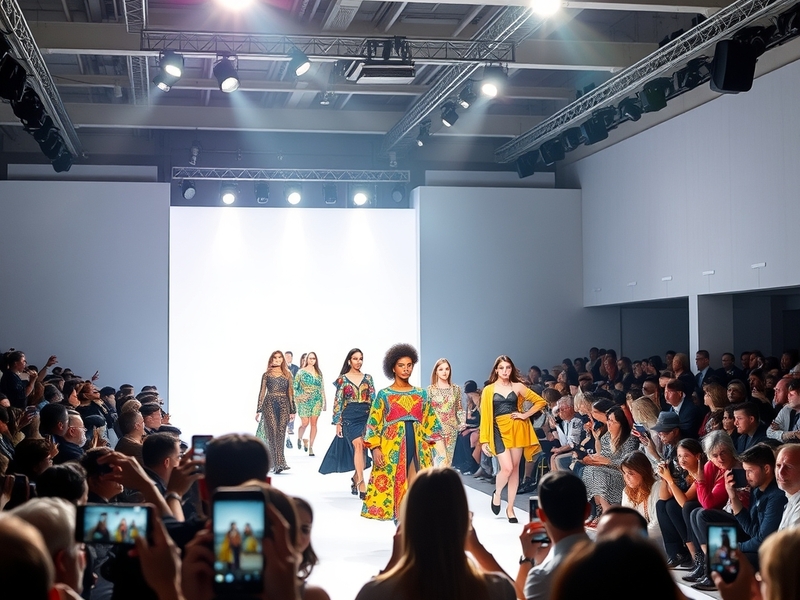
Understanding the Essence of Fashion Shows
Fashion shows serve as a critical platform for designers to showcase their latest collections. These events are not merely about displaying clothing; they embody the artistic vision of designers and the evolving trends within the fashion industry. Every season, designers prepare meticulously to present their work in a manner that captivates audiences and critics alike.
The atmosphere at a fashion show is electric, filled with anticipation and excitement. Attendees range from industry insiders to celebrities, each eager to witness the latest trends and innovations. The event often includes a variety of elements such as music, lighting, and choreography, enhancing the overall experience.
The Structure of a Fashion Show
A typical fashion show unfolds in several key stages, each contributing to the overall impact of the event. Here are the main components:
- Preparation: This phase involves casting models, selecting venues, and finalizing the collection. Designers often spend months perfecting their pieces.
- Runway Setup: The runway is designed to create a specific atmosphere. Lighting and sound play crucial roles in setting the mood.
- Rehearsals: Models practice walking the runway, ensuring they showcase the clothing effectively. This is where timing and coordination are refined.
- The Show: Finally, the moment arrives. Models walk the runway, displaying the collection while photographers and media capture every moment.
Each of these elements is essential for a successful show, as they work together to create a cohesive and memorable experience.
Impact on Fashion Trends
Fashion shows are instrumental in shaping trends. Designers often introduce bold colors, innovative fabrics, and unique silhouettes that influence not only high fashion but also mainstream styles. The visibility provided by these events can propel a designer’s career, making or breaking their reputation in the industry.
Moreover, fashion shows have evolved to include themes that reflect societal issues, cultural movements, and environmental concerns. For instance, recent collections have highlighted sustainability, pushing for eco-friendly practices in fashion. This shift indicates a growing awareness within the industry, with designers using their platforms to promote change.
The Role of Technology in Fashion Shows
Technology has transformed the fashion show experience in significant ways. Live streaming has become a common practice, allowing audiences worldwide to participate virtually. This accessibility broadens the reach of designers and enables them to engage with a global audience.
Social media also plays a pivotal role in amplifying the impact of fashion shows. Influencers and fashion enthusiasts share real-time updates, creating a buzz that can elevate a designer’s visibility. Key platforms like Instagram and TikTok have become essential tools for designers to showcase their collections and connect with potential customers.
Furthermore, advancements in augmented and virtual reality are beginning to influence how fashion shows are presented. These technologies offer immersive experiences, allowing viewers to interact with the collections in new ways.
Conclusion
Fashion shows remain a vital aspect of the fashion industry, serving as a launchpad for new ideas and trends. They encapsulate the creativity and innovation that define fashion. As technology continues to evolve, so too will the formats and experiences surrounding these events. Designers, audiences, and industry professionals must adapt to these changes, ensuring that fashion shows remain relevant and engaging in the years to come.
For more insights into the latest trends and events in fashion, visit our fashion category or explore our trending topics.