Pentagon Plea Deal Appeals Denied: An Overview
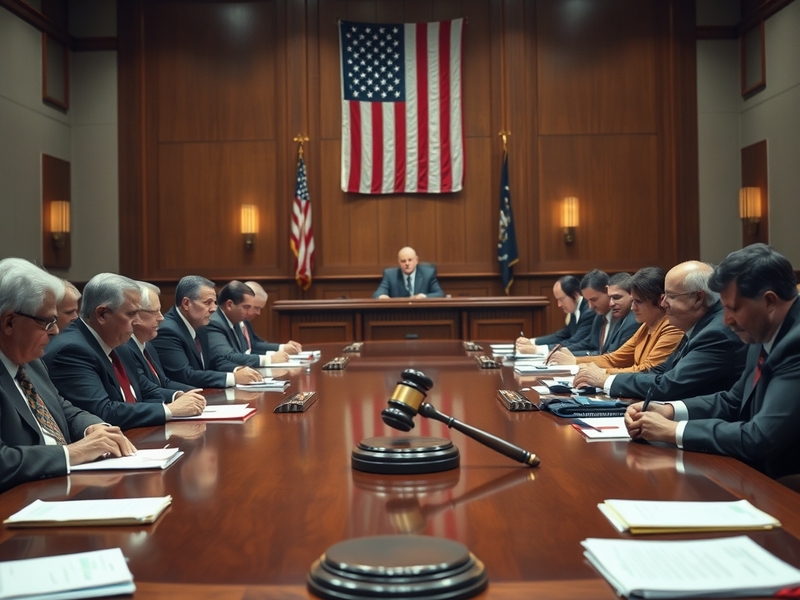
The recent denial of appeals related to plea deals involving Pentagon officials has stirred significant discussion. These appeals were aimed at challenging plea agreements made in connection with various misconduct allegations. The legal landscape surrounding these cases is complex, and the implications of these denials extend far beyond the courtroom.
Background of the Case
The cases in question involve several Pentagon officials who entered into plea deals after being implicated in acts of misconduct. These agreements were designed to ensure cooperation in ongoing investigations while mitigating potential penalties. However, the recent appeals sought to contest the terms of these deals, arguing they were unfair or improperly negotiated.
Understanding the context is essential. The Pentagon has faced scrutiny over its handling of various issues, including financial mismanagement and ethical violations. The plea deals were intended as a mechanism for accountability, allowing officials to provide information in exchange for reduced sentences or charges.
Key Points of the Denial
- The appeals were rejected on procedural grounds, indicating a lack of sufficient legal basis.
- The court emphasized the importance of upholding plea agreements to maintain the integrity of the judicial process.
- This decision may discourage future attempts to contest plea deals, reinforcing their validity.
- The ruling could affect ongoing and future investigations into Pentagon operations.
These points reflect a broader trend in the judicial system, where courts often prioritize the finality of plea agreements. The reasoning is simple: allowing frequent appeals could undermine the efficiency and authority of the legal system.
Broader Implications for Military Accountability
The denial of these appeals raises critical questions about accountability within the military establishment. As the Pentagon continues to deal with various scandals, the effectiveness of its internal oversight mechanisms is under scrutiny.
Critics argue that the plea deal process may allow officials to escape full accountability for their actions. By negotiating lower penalties, they could potentially avoid the full consequences of their misconduct. This creates a perception of a double standard where military officials are treated differently than civilians facing similar allegations.
Moreover, these outcomes could influence public trust in military institutions. When plea deals are perceived as lenient, it may lead to growing skepticism about the commitment to ethical standards within the military.
Conclusion
The denial of the Pentagon plea deal appeals is a significant development in the ongoing conversation about military accountability and judicial integrity. While the legal system has upheld the validity of these agreements, the broader implications for ethical governance remain a concern. The Pentagon must navigate these challenges carefully to maintain public trust and ensure that accountability is not merely a theoretical concept but a practical reality.
For further insights on military affairs and accountability, visit our Politics and News sections.