Understanding Weather Warnings in the UK
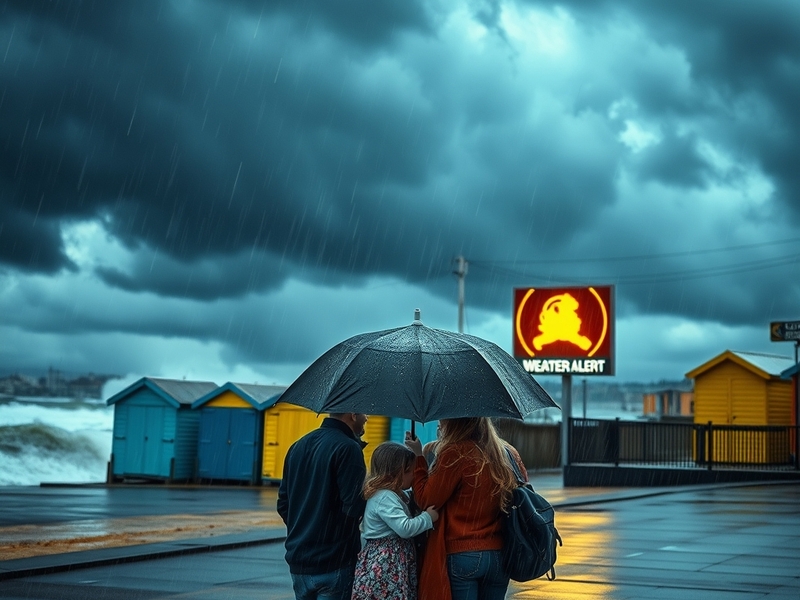
Weather warnings in the UK play a crucial role in keeping the public informed about severe weather conditions. The UK Met Office issues these warnings, which help individuals and communities prepare for potential hazards, such as heavy rain, snow, wind, and extreme temperatures. These warnings are categorized into different levels, each indicating the severity and expected impact of the weather.
Categories of Weather Warnings
The Met Office employs a color-coded warning system: yellow, amber, and red. Each category signifies a different level of risk:
- Yellow: Be aware. Some disruption is possible, but it is often manageable.
- Amber: Be prepared. Expect disruption and take action to avoid inconvenience.
- Red: Take action. Severe weather is expected, posing a significant risk to life and property.
These warnings serve as essential tools for informing the public, allowing people to make informed decisions about travel, outdoor activities, and safety measures.
Impact of Weather Warnings on Daily Life
Weather warnings can significantly affect daily routines, especially in a country like the UK, where weather conditions can change rapidly. For instance, during winter months, heavy snowfall can lead to school closures and travel disruptions. Similarly, in summer, heatwaves can prompt health warnings, especially for vulnerable populations.
Local authorities often rely on these warnings to implement safety measures. This may include:
- Deploying gritting vehicles to clear roads.
- Issuing advice to stay indoors during extreme conditions.
- Coordinating emergency services in preparation for potential incidents.
Such proactive measures can save lives and minimize damage, emphasizing the importance of staying updated with the latest weather information.
How to Stay Informed
In the age of technology, staying informed about weather warnings has never been easier. The Met Office offers a variety of resources, including:
- The official Met Office website, which provides real-time updates and detailed forecasts.
- Mobile apps that send notifications directly to your device.
- Social media channels that share timely updates and safety tips.
Additionally, local news outlets often report on severe weather events, making them another valuable source of information. It’s essential to use these resources effectively to ensure safety during adverse weather conditions.
Conclusion
Weather warnings are a vital component of public safety in the UK. By understanding the warning levels and their implications, individuals can take necessary precautions to protect themselves and their property. The availability of various information sources ensures that the public remains informed and prepared. As weather patterns continue to evolve, the importance of these warnings will only increase, making awareness and preparedness critical.