The Role of the National Anthem in the WNBA
The national anthem has been a staple at sporting events in the United States, symbolizing unity and patriotism. In the WNBA, this tradition carries its own significance, reflecting the league’s values, its players, and the broader social issues at play. As the WNBA has evolved, so has the context in which the anthem is performed and received.
Historical Context
The WNBA was founded in 1996, and its first game took place in 1997. From the outset, the league aimed to promote women’s sports and provide a platform for female athletes. The performance of the national anthem at games has always been a part of the ritual, but it became particularly poignant during the social justice movements of recent years.
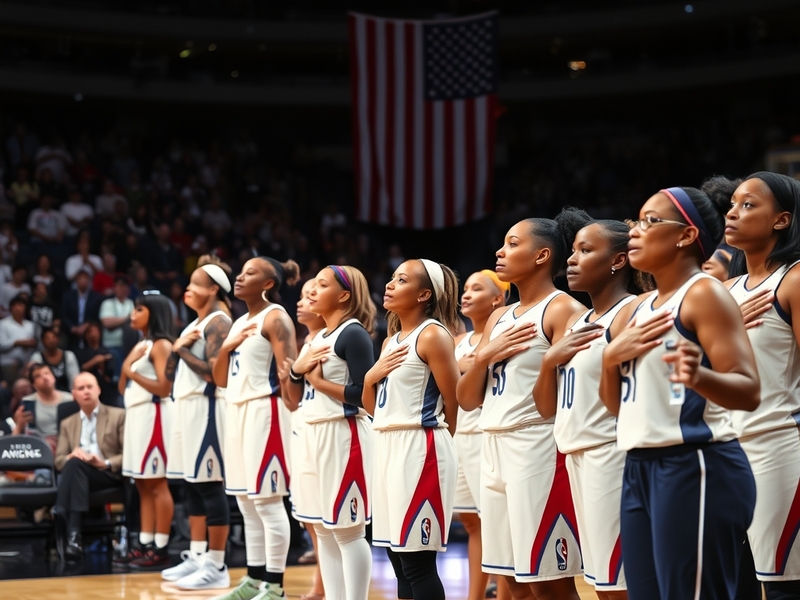
Players have used the anthem as a stage to voice their beliefs. For instance, in 2020, many WNBA players chose to kneel during the anthem to protest racial injustice and police brutality. This act of solidarity not only highlighted the players’ commitment to social change but also challenged the traditional expectations of how athletes should engage with national symbols.
Player Perspectives and Reactions
Players’ reactions to the national anthem vary widely. Some view it as a moment of respect and honor, while others see it as an opportunity to express dissent against systemic issues. This dichotomy reflects broader societal divides, making the anthem a focal point for discussion.
Notable players like Maya Moore and LeBron James have taken strong stances on social justice issues, influencing their peers in the WNBA. The league has become a platform for athletes to share their stories and advocate for change, demonstrating that the anthem can serve multiple purposes.
Recent Developments
The 2020 season marked a turning point for the WNBA regarding the anthem. As the Black Lives Matter movement gained momentum, the league and its players became more vocal about their beliefs. The WNBA’s commitment to social justice was evident when teams wore shirts with slogans like “Black Lives Matter” during warm-ups.
This shift not only changed how players interacted with the anthem but also how fans perceived it. Many supporters applauded the players for their bravery, while others criticized them for mixing sports with politics. This ongoing conversation speaks to the changing nature of sports and its intersection with societal issues.
The Anthem’s Impact on Fan Engagement
The WNBA’s approach to the national anthem has also affected fan engagement. Supporters of the league have increasingly rallied behind the players’ causes, leading to a more engaged and passionate fanbase. The anthem has become a rallying point, fostering a sense of community among those who support social justice initiatives.
Moreover, the league’s transparency and willingness to address contentious issues have attracted new fans who appreciate the WNBA’s progressive stance. The following are some ways the anthem has influenced fan engagement:
- Increased attendance at games where players vocalize their beliefs.
- Growth of social media discussions around the anthem and its implications.
- Enhanced merchandise sales related to social justice themes.
As the WNBA continues to navigate these complexities, the anthem will likely remain a significant part of its identity, reflecting both the league’s values and its players’ commitments.
Conclusion
The national anthem in the WNBA transcends its role as a mere ceremonial gesture. It has become a powerful symbol of the league’s ethos and the players’ dedication to social justice. As the WNBA evolves, so too will the meaning and implications of the anthem, continuing to influence not just the game but also the broader cultural landscape. The ongoing dialogue surrounding the anthem serves as a reminder of the power of sports to effect change and inspire action.