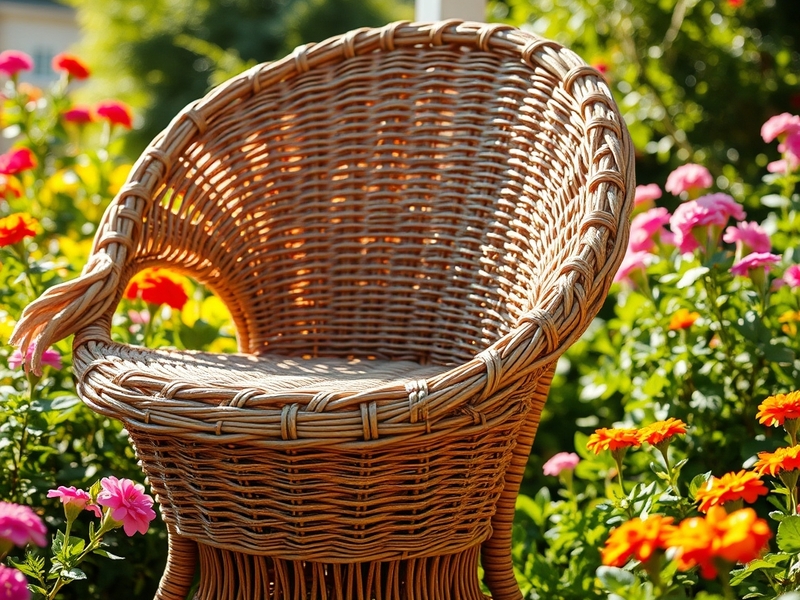
The Timeless Charm of Wicker: A Global Perspective
Wicker, a term that refers to woven materials often made from rattan, willow, or reed, has been a staple in furniture design for centuries. Its versatility and durability have allowed it to transcend cultural boundaries, making it a beloved choice in various parts of the world. From outdoor furniture to intricate home decor, wicker’s appeal lies in its natural aesthetics and functional properties.
Cultural Significance of Wicker
Wicker weaving is not merely a craft; it is an art form deeply rooted in the traditions of many cultures. In places like Indonesia and the Philippines, skilled artisans create stunning pieces that reflect their heritage. In Africa, wicker is often used in creating functional items such as baskets and mats, which are integral to daily life.
In Western countries, the use of wicker furniture gained popularity during the Victorian era. It was favored for its lightweight nature and ability to be used both indoors and outdoors. Today, wicker furniture is a common sight on porches and patios, symbolizing relaxation and leisure.
Types of Wicker Materials
Wicker can be made from various materials, each offering unique characteristics. Here are some of the most common:
- Rattan: A type of climbing palm, rattan is known for its flexibility and strength, making it ideal for furniture.
- Willow: This material is often used for baskets and has a rustic charm that appeals to many.
- Reed: Reed is lightweight and easy to manipulate, making it popular for decorative items.
- Synthetic Wicker: Made from high-density polyethylene, this material mimics the appearance of natural wicker while offering increased durability against the elements.
Wicker in Modern Design
Today, wicker continues to evolve. Designers are increasingly incorporating wicker elements into contemporary decor. The use of synthetic wicker has allowed for a broader range of styles and colors, appealing to a younger audience. This shift has led to the resurgence of wicker in modern homes, blending traditional craftsmanship with innovative design.
Moreover, wicker’s environmental appeal cannot be overlooked. As consumers become more conscious of sustainability, the demand for natural materials has grown. Wicker, being biodegradable and often sourced from renewable resources, aligns well with eco-friendly trends in home decor.
Maintaining Wicker Furniture
To ensure the longevity of wicker furniture, proper maintenance is essential. Here are some tips to keep wicker pieces looking their best:
- Regular Cleaning: Dust wicker furniture regularly with a soft cloth or vacuum to prevent dirt buildup.
- Protect from Moisture: Avoid placing wicker in damp areas, as moisture can weaken the material.
- Use a Sealant: For outdoor wicker, consider applying a weather-resistant sealant to protect against the elements.
- Store Indoors: During harsh weather conditions, store wicker furniture indoors to prolong its lifespan.
As more people seek to create inviting and comfortable spaces in their homes, wicker remains a timeless choice. It encapsulates a blend of tradition and modernity, appealing to diverse tastes across cultures. Whether it’s a cozy chair on a balcony or a decorative basket in the living room, wicker adds a touch of warmth and character to any setting.
For those interested in exploring more about furniture trends, check out our Home Decor section for the latest insights and styles.
In conclusion, wicker’s journey through history reflects its adaptability and enduring appeal. As it continues to evolve, it remains a beloved choice for those looking to add a natural touch to their interiors, showcasing the beauty of craftsmanship across cultures.