PSG vs OL: A Clash of Titans
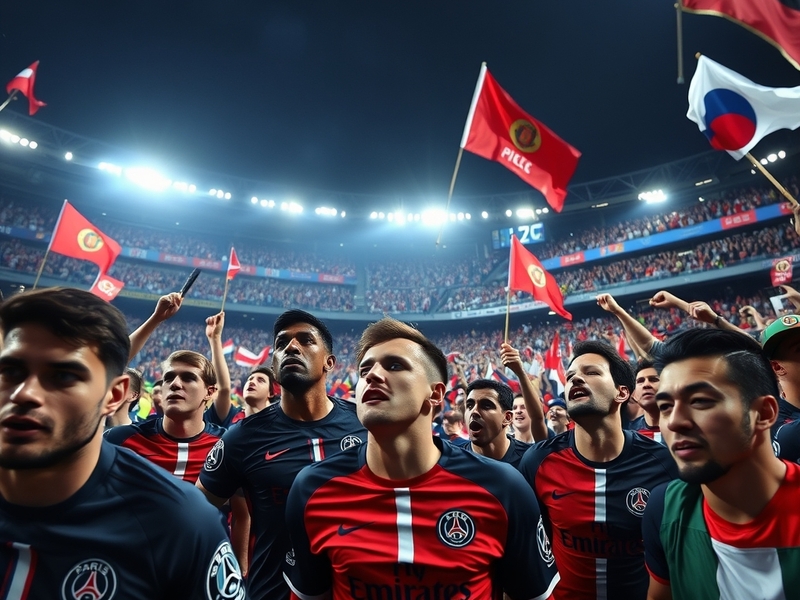
The rivalry between Paris Saint-Germain (PSG) and Olympique Lyonnais (OL) has been one of the defining features of French football over the past two decades. Both clubs have established themselves as powerhouses within Ligue 1, showcasing a blend of talent, passion, and tactical prowess. This article delves into the intricacies of this rivalry, examining the historical context, key matchups, and broader implications for French football.
Historical Context of the Rivalry
PSG and OL have faced each other numerous times since their first match in 1971, with each encounter carrying significant weight. Over the years, the dynamics of the rivalry have evolved, particularly with PSG’s rise to prominence following their acquisition by Qatar Sports Investments in 2011. This financial backing allowed PSG to attract world-class talent, transforming them into a dominant force in both domestic and European competitions.
In contrast, Lyon experienced a golden era during the 2000s, securing seven consecutive Ligue 1 titles from 2002 to 2008. Their success during this period laid the groundwork for a competitive spirit that continues to fuel this rivalry. The matches between PSG and OL frequently highlight contrasting styles, with PSG often showcasing a more flamboyant attacking approach, while OL emphasizes tactical discipline and teamwork.
Key Matchups and Tactical Battles
When PSG and OL meet, the matchups on the pitch are as intriguing as the rivalry itself. Key players often emerge to shape the outcome of these encounters. Here are some pivotal matchups to watch:
- Attack vs. Defense: PSG’s star-studded attacking lineup, featuring players like Kylian Mbappé and Neymar, often faces off against OL’s solid defensive unit led by experienced defenders.
- Midfield Control: The midfield battle is crucial, with both sides vying for control. Players like Marco Verratti for PSG and Houssem Aouar for OL can dictate the tempo of the game.
- Coaching Strategies: The tactical acumen of the coaches plays a significant role. Mauricio Pochettino’s attacking philosophy contrasts sharply with the more pragmatic approach of OL’s coach.
These matchups not only influence the immediate game but also have ramifications for the teams’ strategies in future fixtures. The psychological aspect of winning or losing such high-stakes matches can affect player confidence and team morale significantly.
Broader Implications for French Football
The rivalry between PSG and OL extends beyond the pitch. It has broader implications for French football as a whole. With PSG’s financial might, they have raised the profile of Ligue 1, attracting international attention and investment. However, this dominance can create an uneven playing field, leading to discussions about the sustainability of such a model.
On the other hand, OL’s consistent performance serves as a reminder of the importance of homegrown talent and strategic development. Their academy has produced several top players, emphasizing the need for clubs to invest in youth development to compete effectively.
Additionally, the rivalry encourages other clubs in Ligue 1 to elevate their game, fostering a more competitive environment. As teams strive to challenge PSG’s dominance, the overall quality of the league improves, benefiting fans and players alike.
Conclusion: A Rivalry That Defines French Football
The PSG vs. OL rivalry encapsulates the essence of competition in French football. It is a clash of styles, philosophies, and aspirations. As both clubs continue to evolve, their encounters will remain a focal point for fans and analysts alike. The implications of these matches reach far beyond the scoreline, influencing the trajectory of both clubs and the league as a whole.
As PSG solidifies its status as a European giant, OL’s resilience and ambition will keep the rivalry alive, ensuring that each match is not just a contest of skill but a battle for pride and legacy in French football.