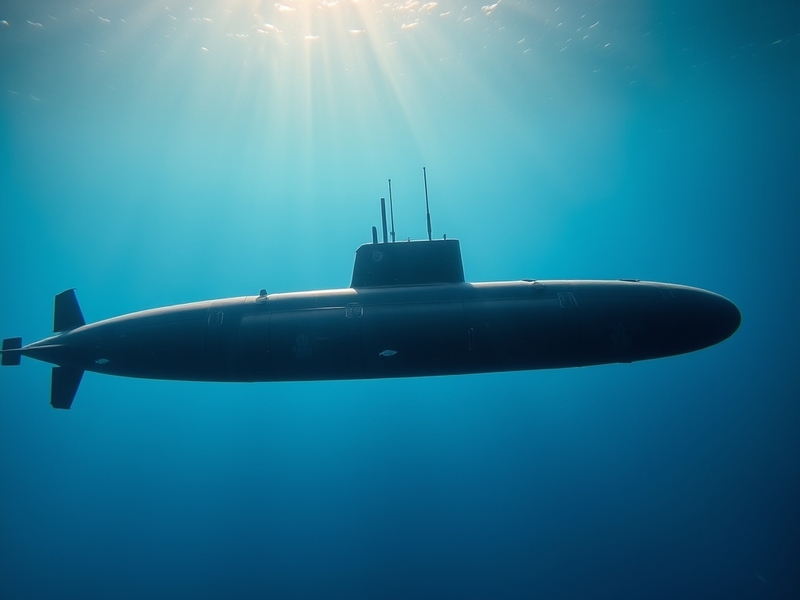
Introduction to Vanguard-Class Submarines
The Vanguard-class submarines represent a significant component of the United Kingdom’s nuclear deterrent. Designed and built by the British shipbuilding industry, these submarines are a testament to advanced engineering and military strategy. Commissioned in the late 1990s, they serve as the backbone of the UK’s continuous at-sea deterrence posture.
Design and Capabilities
The Vanguard-class comprises four submarines: HMS Vanguard, HMS Victorious, HMS Vigilant, and HMS Vengeance. Each vessel is approximately 150 meters long and has a displacement of around 15,900 tons when submerged. This class is designed to operate stealthily, allowing them to evade detection while carrying out strategic missions.
Key features of the Vanguard-class submarines include:
- Advanced sonar systems for enhanced detection capabilities.
- Trident II (D5) ballistic missiles, providing a range of over 7,000 miles.
- Highly automated systems, reducing the crew size to about 135 personnel.
- Robust hull design for improved survivability under hostile conditions.
Operational Role and Strategic Importance
The Vanguard-class submarines play a critical role in the UK’s nuclear deterrent strategy. Their primary mission is to provide a credible and continuous at-sea deterrent against potential threats. By being stationed at sea, these submarines ensure that the UK retains a second-strike capability, which is vital for national security.
In addition to deterrence, Vanguard-class submarines can be utilized for various operational roles, including:
- Intelligence gathering and reconnaissance missions.
- Support for allied operations through strategic partnerships.
- Participation in joint exercises with NATO forces.
This versatility makes them an essential asset in modern military engagements.
Challenges and Future Developments
Despite their advanced capabilities, the Vanguard-class submarines face several challenges. Maintenance and modernization are critical to ensure they remain effective in the evolving landscape of maritime warfare. The UK government has committed to a comprehensive update of the class, known as the Dreadnought program, which aims to replace the Vanguard-class submarines with a new generation by the early 2030s.
Additionally, geopolitical tensions necessitate constant adaptation. As other nations enhance their naval capabilities, the Vanguard-class submarines must continue to evolve. The integration of new technologies, such as improved stealth features and enhanced missile systems, will be crucial in maintaining their strategic edge.
Conclusion
The Vanguard-class submarines stand as a cornerstone of the UK’s defense strategy. Their design, capabilities, and operational significance reflect the complexities of modern military requirements. As the Royal Navy prepares for future challenges, the Vanguard-class will continue to play a pivotal role in ensuring national security and maintaining global stability.
For more information about military technology, you can explore our Technology section or check out our latest articles in the News category.