The Timing of Halloween and Daylight Saving Time
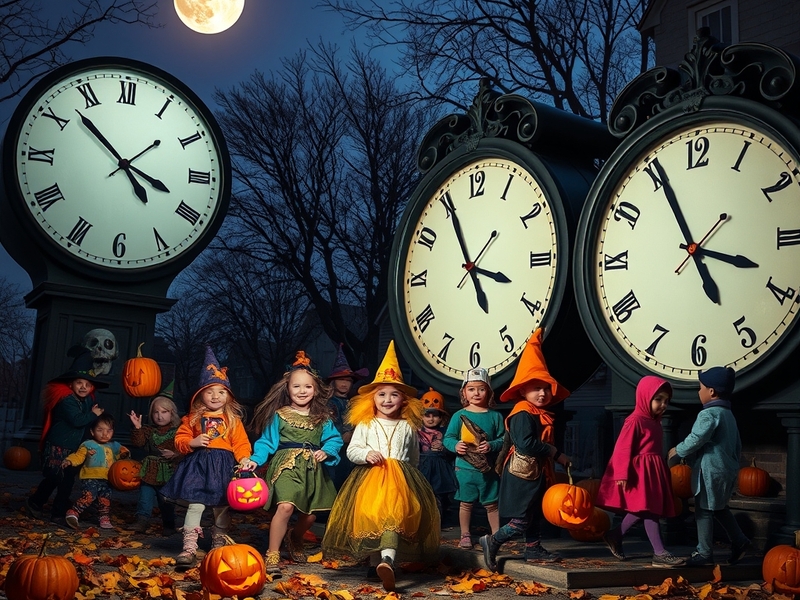
Each year, Halloween falls on October 31st, a date eagerly anticipated by children and adults alike. As the sun sets earlier, the festive spirit of Halloween fills the air with excitement. However, this year, Halloween coincides with the end of Daylight Saving Time, which takes place on the first Sunday of November. This overlap creates a unique situation that affects how people celebrate the holiday.
Understanding Daylight Saving Time
Daylight Saving Time (DST) was first implemented during World War I as a way to conserve energy. By shifting the clocks forward in spring and back in fall, it aimed to make better use of daylight. While the initial purpose was rooted in wartime necessity, today, many people debate its relevance and effectiveness.
As DST ends, clocks will roll back one hour, providing an extra hour of evening darkness. This shift can have significant implications for Halloween celebrations. Trick-or-treaters will find themselves navigating the streets in darker conditions, which may enhance the spooky atmosphere but also raises safety concerns.
Impact on Halloween Festivities
The combination of Halloween and the end of Daylight Saving Time can influence various aspects of the celebration:
- Safety Concerns: With darkness arriving earlier, parents may be more cautious about letting their children go out for trick-or-treating. Visibility becomes a critical factor, leading to increased worries about road safety.
- Extended Celebrations: Some communities may choose to start festivities earlier to accommodate families. Events such as parades, haunted houses, and Halloween parties might see adjusted schedules to ensure participation in daylight.
- Spooky Atmosphere: The darker evening can enhance the eerie ambiance of Halloween. Haunted attractions may benefit from the extra hour of darkness, drawing visitors seeking the thrill of scares.
Community Reactions and Adjustments
Communities are adjusting their plans in response to the combination of Halloween and the end of DST. Some cities are opting to hold trick-or-treating hours earlier, while others are maintaining traditional hours but emphasizing safety measures. Local governments often issue guidelines to help ensure a safe and enjoyable experience for families.
Moreover, social media platforms are abuzz with discussions about the implications of this year’s timing. Parents are sharing tips on how to keep children safe while still making the most of Halloween festivities. Some suggestions include:
- Using glow sticks or reflective clothing for visibility.
- Choosing well-lit routes for trick-or-treating.
- Accompanying younger children and discussing safety rules.
Conclusion
The coincidence of Halloween with the end of Daylight Saving Time presents both challenges and opportunities for communities. While safety concerns may rise due to earlier darkness, there are also chances to enhance the spooky atmosphere that many people cherish. As families prepare for Halloween festivities, adapting to this unique situation will be key to ensuring a memorable celebration.
For more insights into holiday trends and community events, check out our Culture and News sections.