Understanding the NBA Cup
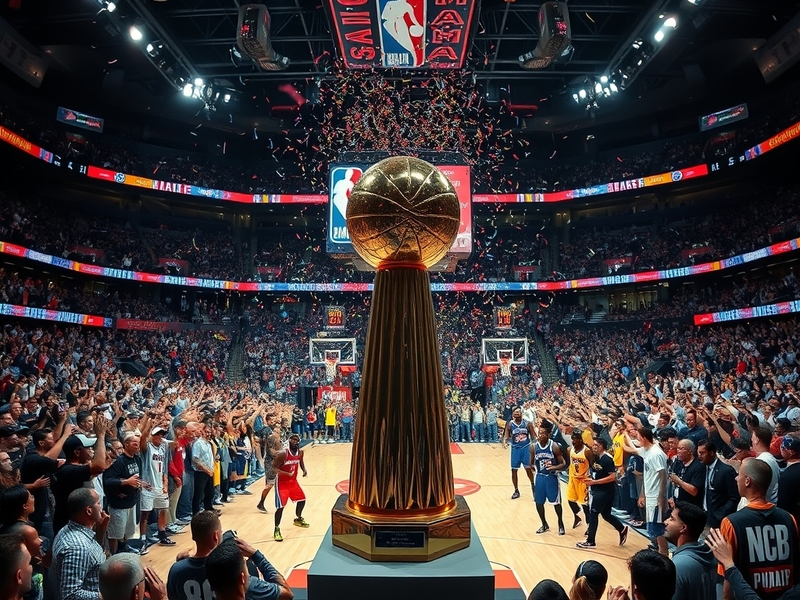
The NBA Cup is a new initiative introduced by the National Basketball Association, aiming to enhance competition and engagement within the league. This tournament-style competition is designed to provide teams with an additional opportunity to compete for a trophy, alongside their regular season schedule. The concept not only adds excitement for fans but also serves as a strategic move to increase viewership and participation in the league.
Format and Structure of the NBA Cup
The NBA Cup features a unique format that distinguishes it from traditional season play. Here’s a brief overview of its structure:
- Group Stage: Teams are divided into groups, where they compete in a round-robin format.
- Knockout Rounds: The top teams from each group advance to knockout rounds, culminating in a championship game.
- Regular Season Integration: NBA Cup games are incorporated into the regular season, allowing teams to compete for two titles simultaneously.
- Incentives: Teams and players can earn bonuses and other rewards based on their performance in the tournament.
Broader Implications for the NBA
The introduction of the NBA Cup is significant for several reasons. First, it revitalizes the regular season, which has sometimes been criticized for a lack of competitiveness. By introducing a tournament, teams that might otherwise be out of playoff contention have something to strive for. This could lead to more intense matchups and higher stakes in games that otherwise might be seen as less important.
Moreover, the NBA Cup can enhance fan engagement. With the tournament format, fans have the opportunity to rally behind their teams in a fresh context. The excitement of knockout games can draw in viewers who may not be as invested in the regular season, potentially boosting television ratings and attendance.
Potential Challenges and Considerations
While the NBA Cup presents many opportunities, it also poses challenges. One major concern is the potential for player fatigue. The added games could lead to injuries, especially for teams relying heavily on their star players. Additionally, balancing the tournament with the regular season schedule requires careful planning to avoid conflicts and ensure that teams remain competitive throughout the year.
Furthermore, the success of the NBA Cup hinges on fan reception. If the tournament fails to capture the interest of the audience, it may not achieve its intended goals. The league must find ways to effectively market the Cup and create a narrative that draws fans in.
Conclusion
The NBA Cup represents a bold step forward for the league, offering a fresh format that combines competition with entertainment. As the tournament unfolds, it will be essential to monitor its impact on both teams and fans. The potential benefits are substantial, but so are the risks. The NBA’s ability to adapt and innovate will ultimately determine the success of this new venture.