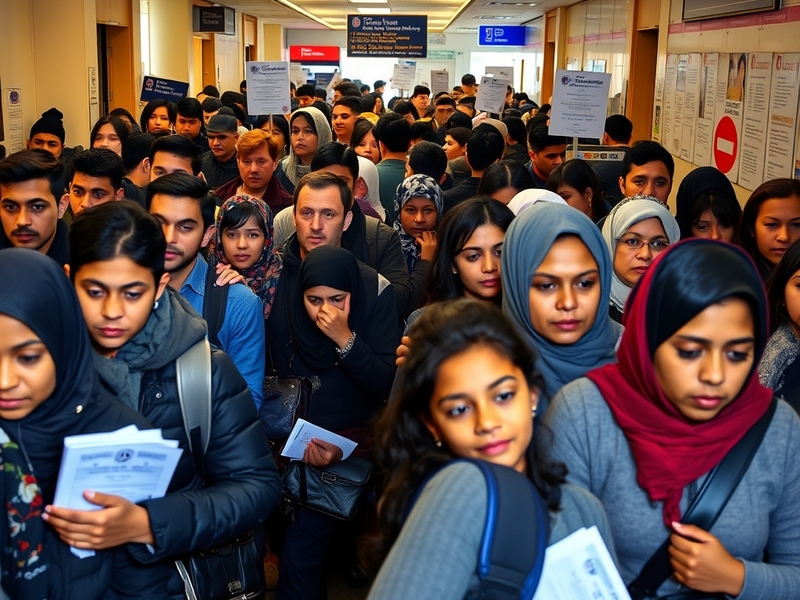
Understanding UK Immigration Rules
The UK immigration system has undergone significant changes in recent years, particularly following Brexit. These new rules impact not only EU citizens but also individuals from various parts of the globe. Understanding the intricacies of these regulations is vital for anyone considering a move to the UK, whether for work, study, or family reunification.
Key Immigration Routes
The UK offers several pathways for individuals wishing to immigrate. Each route has specific requirements and processes. Here are some of the primary categories:
- Skilled Worker Visa: This is designed for individuals who have a job offer from a UK employer that holds a valid sponsorship license.
- Student Visa: For those wishing to study in the UK, this visa allows students to attend a recognized educational institution.
- Family Visa: This route enables individuals to join family members who are already settled in the UK.
- Global Talent Visa: Aimed at highly skilled individuals in fields such as science, humanities, engineering, and arts.
Each visa type has its own set of eligibility criteria, application processes, and documentation requirements. It is essential for applicants to familiarize themselves with these details to ensure a smooth application process.
Challenges and Considerations
While the new immigration rules are designed to simplify the process, they also present several challenges. One significant concern is the increased financial requirements that many applicants must meet. For instance, the minimum salary threshold for skilled workers has been set, which can be a barrier for some potential migrants.
Furthermore, the application process can be lengthy and complex. Applicants often face delays in processing times, which can lead to uncertainty. This is particularly challenging for those who need to relocate quickly for employment or family reasons. Additionally, the cost of application fees and associated expenses can be substantial, adding another layer of difficulty.
Cultural Context and Global Perspective
Immigration policies are not just a matter of regulations; they are also deeply intertwined with cultural and social dynamics. The UK’s approach to immigration reflects its historical ties with various countries and regions. For example, the Commonwealth nations have a unique status that often influences immigration decisions.
Moreover, the UK’s immigration rules can be viewed in the context of global migration trends. Many countries are experiencing shifts in their immigration policies, often in response to economic conditions, security concerns, and demographic changes. As such, individuals considering a move to the UK must also be aware of how these global trends might affect their situation.
For instance, the rise of remote work has led many professionals to evaluate their living arrangements. Some may choose to move to countries with more favorable immigration policies, while others may still prefer the opportunities that the UK offers. Understanding these dynamics can provide valuable insights for potential immigrants.
Conclusion
Navigating the UK immigration rules requires careful consideration and planning. With various pathways available, it is essential for applicants to identify the route that best suits their needs and circumstances. While challenges exist, the opportunities for skilled workers, students, and families remain significant. By staying informed about the latest changes and understanding the broader cultural context, individuals can better prepare for their journey to the UK.
For more articles on related topics, visit our Sports section or explore our Travel insights.