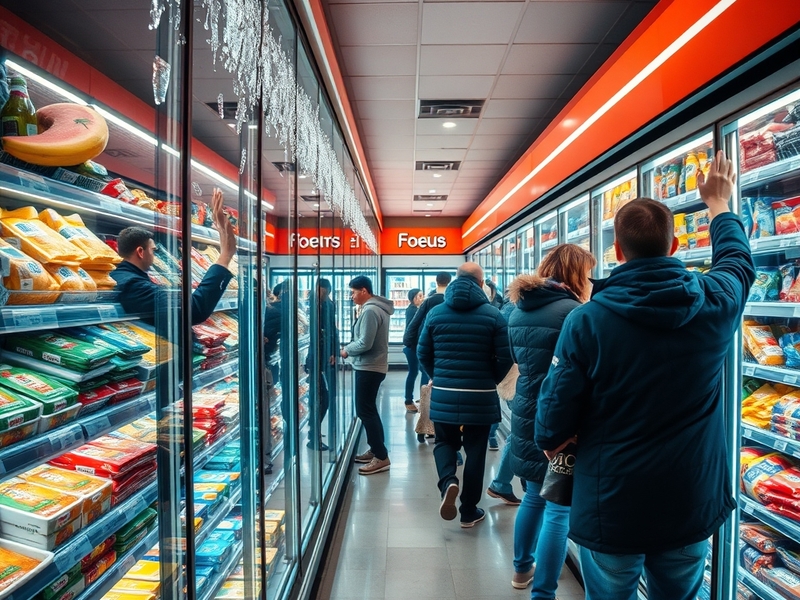
Understanding Supermarket Freezers: An Essential Component
Supermarket freezers are a staple in the grocery shopping experience. They play a vital role in preserving food quality, extending shelf life, and providing consumers with a wide variety of frozen goods. These essential appliances are not just storage units; they are carefully designed systems that maintain specific temperatures to ensure food safety and freshness.
From frozen vegetables to ready-to-eat meals, the items housed within supermarket freezers cater to diverse consumer needs. As shopping habits evolve, the importance of these freezers has grown, reflecting broader trends in consumer behavior and food consumption.
Types of Supermarket Freezers
There are several types of freezers commonly found in supermarkets. Each serves a unique purpose and targets different segments of the market. Here are the primary types:
- Chest Freezers: These are typically larger units that allow for bulk storage. They are ideal for frozen meats, ice cream, and other large items.
- Upright Freezers: These freezers resemble traditional refrigerators and are designed for easy access. They often come with shelves for organized storage.
- Display Freezers: Commonly seen in convenience stores, these freezers showcase products to consumers, enhancing visibility and appeal.
- Walk-in Freezers: Larger supermarkets may utilize walk-in freezers for extensive inventory, allowing staff to store and retrieve products efficiently.
Energy Efficiency and Sustainability
As energy costs rise and environmental concerns grow, the focus on energy-efficient supermarket freezers has intensified. Modern freezers are designed with advanced technologies that not only reduce energy consumption but also minimize their carbon footprint. Features such as:
- LED lighting that lowers energy use
- Advanced insulation techniques that retain cold air
- Smart temperature controls that optimize energy use based on demand
These innovations contribute to a supermarket’s overall sustainability efforts. By investing in energy-efficient appliances, retailers can significantly cut operational costs and appeal to environmentally conscious consumers.
The Impact of Supermarket Freezers on Consumer Behavior
Supermarket freezers have a substantial impact on consumer shopping habits. The convenience of frozen foods allows for quick meal solutions, appealing to busy families and individuals. As lifestyles become increasingly fast-paced, frozen foods offer a practical alternative to fresh items that may spoil before consumption.
Additionally, the variety available in freezers encourages consumers to try new products. Seasonal items, international cuisines, and specialty foods are often found in frozen formats, providing an opportunity for culinary exploration without the commitment of fresh ingredients.
Moreover, the presence of these freezers can influence purchasing decisions. Shoppers may be more likely to buy impulse items when they see a visually appealing display of frozen goods. This behavior underscores the importance of strategic placement and presentation within stores.
Conclusion: The Future of Supermarket Freezers
The evolution of supermarket freezers continues to shape the grocery shopping experience. As technology advances and consumer preferences shift, these appliances will likely undergo further improvements. The integration of smart technology and enhanced energy efficiency will play crucial roles in their development.
As supermarkets adapt to meet the demands of modern consumers, freezers will remain central to their operations. The balance between convenience, variety, and sustainability will define the future of frozen food offerings, ensuring that these essential units remain relevant in the ever-changing landscape of grocery retail.
For more insights on food preservation and grocery trends, explore our Food category and Trending topics.