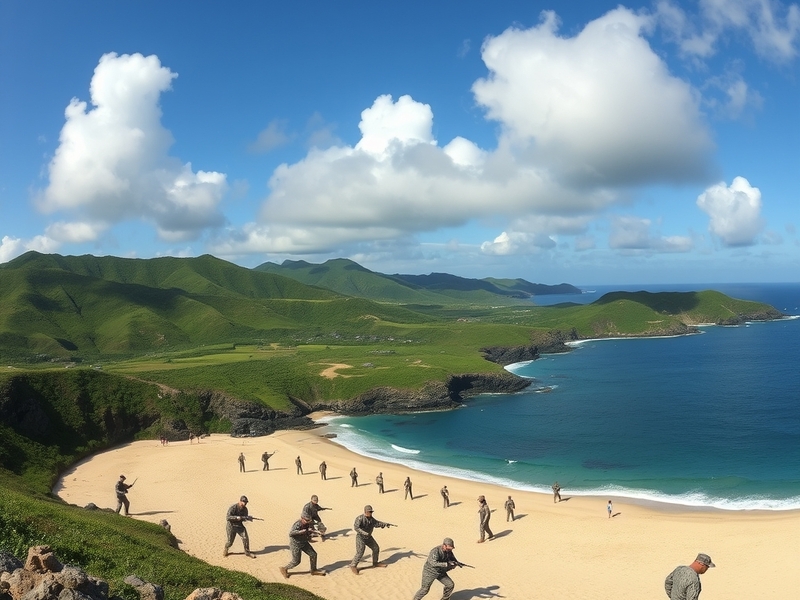
Understanding Camp Schwab: A Strategic Military Installation
Camp Schwab, located in Okinawa, Japan, serves as a crucial component of the United States military presence in the Asia-Pacific region. Established in the early 1950s, this Marine Corps base plays a vital role in various military operations, training exercises, and humanitarian missions. Its strategic location allows for rapid response capabilities in the event of regional conflicts, making it a focal point of U.S. defense strategy.
The Role of Camp Schwab in U.S. Military Strategy
The presence of Camp Schwab is integral to the U.S. military’s operational readiness. It provides facilities for training and deployment of troops, as well as housing for service members and their families. The base is also involved in joint exercises with the Japan Self-Defense Forces, enhancing interoperability between U.S. and Japanese forces.
Key functions of Camp Schwab include:
- Training operations for Marine Corps units.
- Hosting multinational military exercises.
- Providing logistical support for deployments.
- Facilitating humanitarian assistance and disaster relief efforts.
These activities not only bolster military readiness but also contribute to regional stability by fostering cooperation among allied nations.
Community Impact and Local Relations
The presence of Camp Schwab has significant implications for the local community in Okinawa. While it provides economic benefits through job creation and local spending, it also presents challenges related to noise pollution, environmental concerns, and the social impact of military life on Okinawan residents.
Efforts to bridge the gap between the military and local communities are ongoing. Initiatives aimed at improving relations include:
- Community engagement programs to foster dialogue.
- Joint cultural events that promote understanding.
- Environmental stewardship projects to address local concerns.
These initiatives focus on building trust and cooperation, ensuring that the military presence is viewed as a positive element rather than a disruptive force.
Future Considerations for Camp Schwab
As geopolitical tensions in the Asia-Pacific region evolve, the role of Camp Schwab may also change. The base’s strategic importance could increase, particularly in light of rising military activities from neighboring countries. This situation necessitates continuous assessment of the base’s capabilities and its impact on local and regional dynamics.
Moreover, discussions surrounding the potential relocation of certain military operations within Japan could affect Camp Schwab’s future. The U.S. and Japanese governments are engaged in ongoing negotiations regarding military realignment, which could lead to changes in troop levels or the nature of operations conducted at the base.
In summary, Camp Schwab represents a critical element in the U.S. military framework in the Asia-Pacific region. Its multifaceted role encompasses not only military readiness but also community relations and regional cooperation. As global dynamics shift, the base will likely continue to adapt to meet new challenges and opportunities.