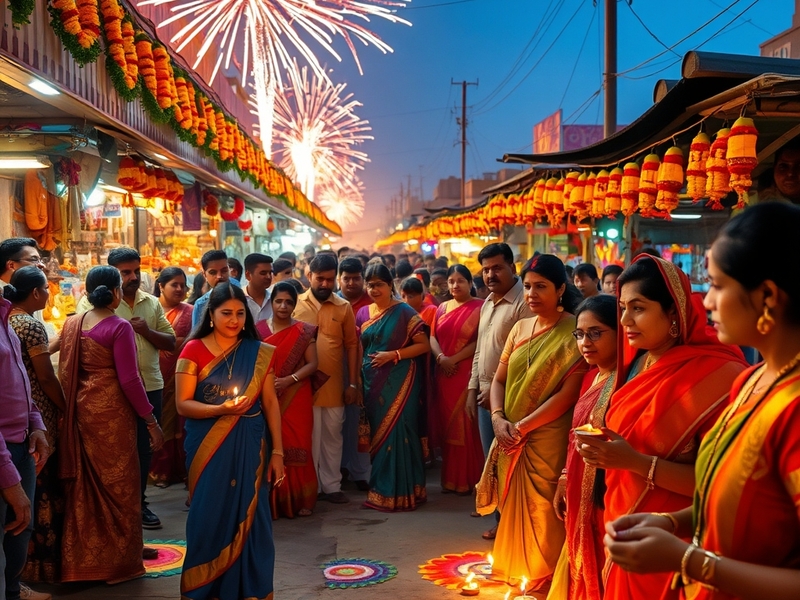
Understanding Diwali: The Festival of Lights
Diwali, also known as Deepavali, is one of the most significant festivals celebrated in India and by millions worldwide. This festival symbolizes the victory of light over darkness and good over evil. Traditionally, it spans five days, each with its own set of rituals and cultural significance. The festival is marked by the illumination of homes with diyas (oil lamps), colorful rangolis (decorative designs made with colored powders), and the exchange of sweets and gifts among family and friends.
The Historical Significance of Diwali
The origins of Diwali are deeply rooted in various historical and mythological narratives. One of the most popular stories is the return of Lord Rama to Ayodhya after defeating the demon king Ravana, as narrated in the epic Ramayana. To celebrate his return, the people of Ayodhya lit diyas to guide him home. Other regions have their interpretations; for instance, in some traditions, Diwali marks the worship of Goddess Lakshmi, the deity of wealth and prosperity.
Celebration Practices Across Regions
Diwali is celebrated uniquely in different parts of India, reflecting the country’s diverse culture. Here are some notable regional variations:
- North India: The festival primarily revolves around the worship of Lord Rama and involves lighting diyas, bursting crackers, and family gatherings.
- South India: In southern states, Diwali is celebrated with the worship of Lord Krishna, and the festivities include special rituals and feasting.
- West India: In Maharashtra and Gujarat, Diwali includes the celebration of the new year, with vibrant markets and community fairs.
- East India: In Bengal, the festival is marked by the worship of Goddess Kali, with a focus on rituals and traditional sweets.
Modern-Day Celebrations and Environmental Concerns
While Diwali is a time for joy and celebration, modern practices have raised concerns about environmental sustainability. The use of fireworks, which light up the night sky, has been criticized for causing air and noise pollution. Many cities have seen a push towards eco-friendly celebrations, encouraging the use of green crackers or alternatives like light displays and community events that minimize environmental impact.
In recent years, there has been a growing trend towards celebrating Diwali with a focus on sustainability. Here are some eco-friendly practices gaining popularity:
- Using biodegradable decorations instead of plastic.
- Opting for natural diyas made from clay rather than synthetic materials.
- Participating in community service to help those in need during the festive season.
These practices not only help preserve the environment but also promote a sense of community and responsibility among celebrants. As the festival continues to evolve, it reflects both tradition and the need for a more sustainable future.
Conclusion: The Essence of Diwali
Diwali is more than just a festival; it embodies the spirit of togetherness, hope, and renewal. As families come together to celebrate, the essence of the festival lies in its ability to transcend time, uniting people across various cultures and traditions. Despite the challenges posed by modern practices, the core values of Diwali remain intact—celebrating light, love, and the triumph of good. For more insights into cultural celebrations or related topics, visit our Culture and News sections.