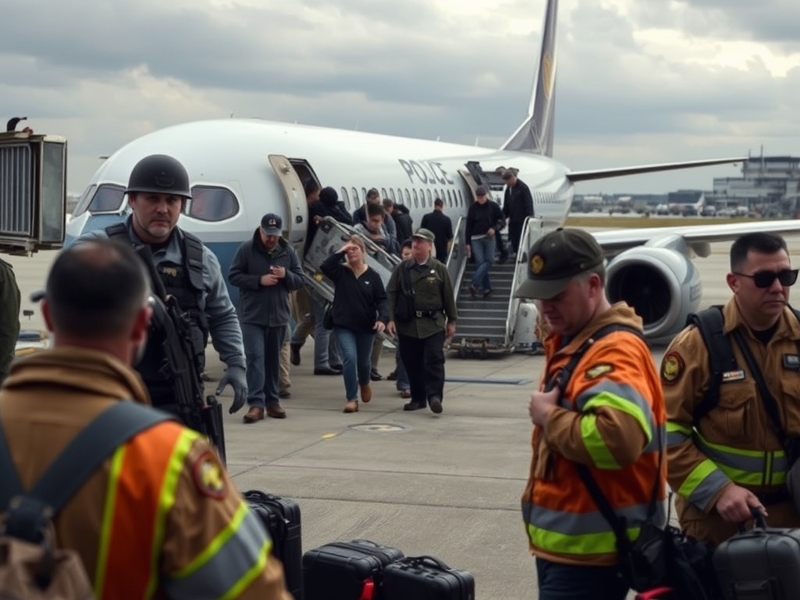
Understanding Bomb Threats on Flights
Bomb threats on flights represent a serious challenge for airline security and passenger safety. Such incidents can cause significant disruptions, leading to delays, cancellations, and heightened anxiety among travelers. The implications extend beyond immediate safety concerns, affecting the broader aviation industry and public perception of air travel.
Recent Incidents and Their Impacts
Over the past few years, there have been numerous bomb threats reported on various flights. While many of these threats turn out to be hoaxes, the consequences can still be severe. For instance, a bomb threat can lead to emergency landings, extensive searches, and the involvement of law enforcement agencies. The psychological impact on passengers can also be profound, as fear and uncertainty take hold.
Some notable incidents include:
- A flight diverted due to a bomb threat, leading to a large-scale evacuation at the destination airport.
- Increased security measures implemented after a series of threats targeting multiple airlines.
- Public panic and media frenzy following the announcement of a potential threat on a high-profile flight.
These events highlight the ongoing risks associated with air travel and the need for robust security protocols.
Security Measures and Protocols
Airlines and airports have developed a range of security measures to address bomb threats. These protocols include enhanced screening processes for passengers and luggage, as well as collaboration with law enforcement and intelligence agencies. Some of the key measures include:
- Passenger Screening: Comprehensive checks using advanced technology to detect explosives.
- Behavioral Analysis: Training staff to recognize suspicious behavior among passengers.
- Emergency Response Plans: Established procedures for dealing with bomb threats, including communication strategies and evacuation protocols.
Despite these measures, the risk of bomb threats persists. The evolving nature of threats, including the rise of homegrown extremism and cyber-related risks, poses new challenges for security agencies.
Broader Implications for the Aviation Industry
The implications of bomb threats extend beyond immediate safety concerns. The aviation industry must grapple with the potential for economic repercussions. Flight cancellations and the need for enhanced security can lead to increased operational costs for airlines. Furthermore, public perception of safety can impact travel behavior, with some passengers opting for alternative modes of transportation.
Moreover, bomb threats can strain relationships between airlines and regulatory bodies. Governments may impose stricter regulations, leading to further operational challenges. The need for a balance between security and efficiency is critical in maintaining a viable air travel industry.
Conclusion
Bomb threats on flights present a multifaceted challenge that requires ongoing vigilance and adaptation. While significant strides have been made in aviation security, the threat landscape continues to evolve. The aviation industry must remain proactive in addressing these risks while ensuring passenger confidence in air travel. As we move forward, collaboration among airlines, government agencies, and security experts will be essential in navigating these challenges effectively.