Understanding Japan’s Earthquake History
Japan is one of the most seismically active regions in the world, situated along the Pacific Ring of Fire. This geographical positioning makes it susceptible to frequent earthquakes, some of which have had devastating consequences. The history of earthquakes in Japan is marked by significant events, starting from ancient times to the modern era.
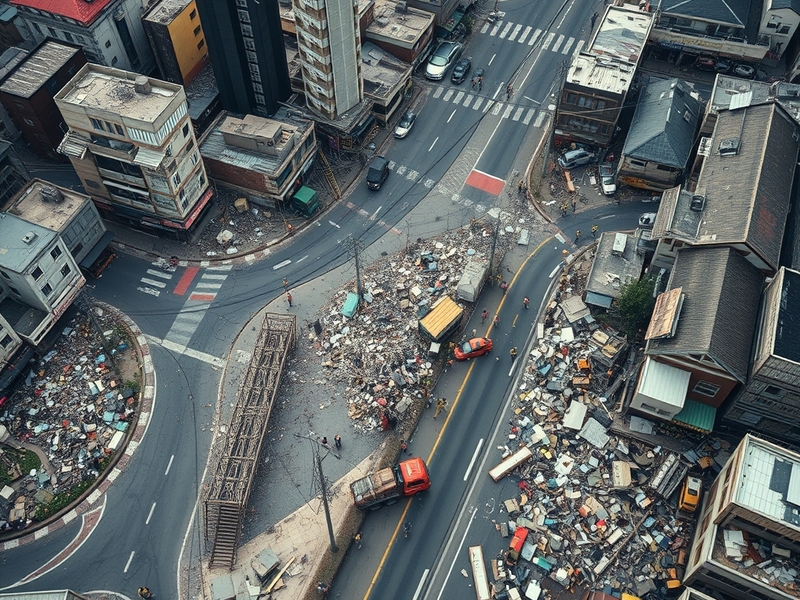
The Great Kanto Earthquake of 1923, for example, resulted in over 140,000 deaths and widespread destruction in Tokyo and Yokohama. More recently, the 2011 Tōhoku earthquake and tsunami caused catastrophic damage, leading to a nuclear crisis at the Fukushima Daiichi Nuclear Power Plant. These events have shaped not only Japan’s landscape but also its culture and approach to disaster preparedness.
Causes and Mechanisms of Earthquakes
Earthquakes in Japan are primarily caused by the movement of tectonic plates. The country sits at the convergence of four major plates: the Pacific Plate, the Philippine Sea Plate, the Eurasian Plate, and the North American Plate. The interactions among these plates can lead to:
- Subduction Zones: Where one plate slides beneath another, generating significant seismic activity.
- Transform Boundaries: Plates sliding past each other can also cause earthquakes, often leading to shallow but powerful tremors.
- Fault Lines: Japan has numerous faults, such as the Nankai Trough and the Tokai Fault, which are notorious for producing large earthquakes.
Understanding these geological processes is crucial for predicting potential seismic events and mitigating their impacts.
Impact on Society and Infrastructure
The impact of earthquakes on Japanese society is profound and multifaceted. Beyond the immediate destruction, earthquakes have long-term effects on the economy, mental health, and community cohesion.
Economically, recovery from a major earthquake requires immense resources. The 2011 earthquake and tsunami resulted in damages estimated at over $360 billion, making it one of the costliest natural disasters in history. Infrastructure is often severely affected, leading to disruptions in transportation, communication, and essential services.
On a community level, the psychological toll is significant. Survivors often face trauma, anxiety, and stress long after the physical rebuilding has occurred. Japan has implemented various mental health initiatives to support affected individuals, showcasing a holistic approach to disaster recovery.
Preparedness and Technological Innovations
Japan is renowned for its advanced earthquake preparedness and response systems. The country has invested heavily in technology to mitigate the effects of earthquakes. Key measures include:
- Early Warning Systems: Japan’s Earthquake Early Warning system provides alerts seconds before shaking begins, allowing people to take cover and automated systems to shut down critical infrastructure.
- Seismic Building Codes: Strict building regulations ensure that structures can withstand significant tremors. This focus on engineering has saved countless lives.
- Public Education Campaigns: Regular drills and educational programs prepare citizens for emergencies, fostering a culture of readiness.
These innovations not only protect lives but also contribute to a sense of security among residents, reinforcing the importance of preparedness in a seismically active region.
Conclusion
Japan’s relationship with earthquakes is complex, marked by a history of devastation and resilience. The nation’s proactive stance on preparedness and recovery highlights its commitment to safeguarding its people and infrastructure. As technological advancements continue to evolve, Japan remains a global leader in earthquake preparedness, serving as a model for other earthquake-prone regions. Understanding the causes, impacts, and innovations surrounding earthquakes in Japan is essential for anyone interested in disaster management and resilience.