Understanding “North of North”
The phrase “North of North” evokes a sense of exploration and adventure. It refers to regions that lie beyond the conventional boundaries of the northern hemisphere, often associated with extreme climates and unique cultural practices. This article delves into the geographical, cultural, and environmental aspects of these northern territories.
Geographical Context
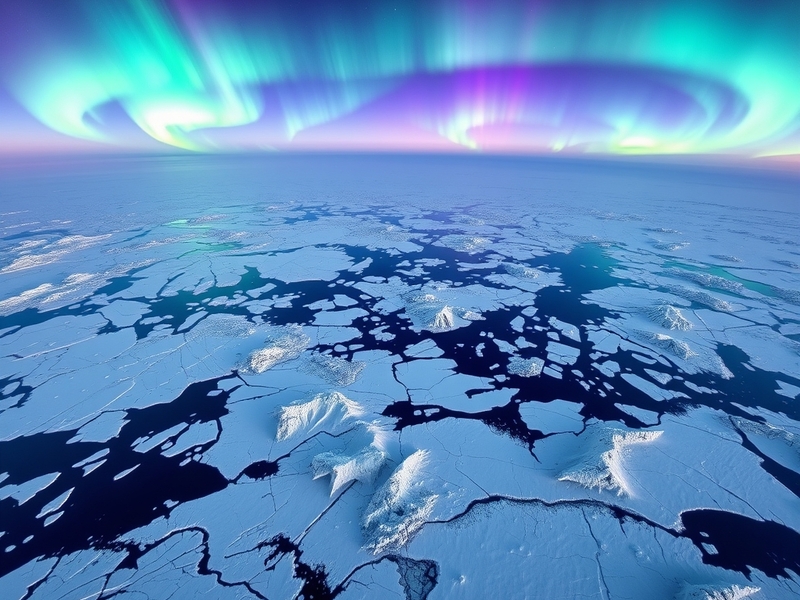
Geographically, “North of North” can refer to territories such as the Arctic and sub-Arctic regions. These areas are characterized by their harsh climates, with long winters and brief summers. Countries like Canada, Norway, Russia, and Greenland embody this concept, each contributing to a diverse tapestry of cultures and ecosystems.
Key geographical features include:
- Ice-covered landscapes
- Indigenous communities with rich traditions
- Unique wildlife adapted to extreme conditions
These features create a distinct environment that shapes the lives of those who inhabit these areas, influencing everything from transportation to food sources.
Cultural Significance
In addition to geographical attributes, the cultural significance of “North of North” cannot be overstated. Indigenous peoples, such as the Inuit and Sámi, have thrived in these regions for centuries. Their lifestyles, art, and traditions are deeply intertwined with the land.
Art forms such as traditional throat singing, intricate beadwork, and storytelling reflect the values and history of these communities. Their practices emphasize sustainability and respect for nature, showcasing a harmonious relationship with the environment.
Moreover, the challenges posed by climate change are prompting these communities to adapt their practices. As temperatures rise and ice melts, traditional hunting grounds are shifting, forcing a reevaluation of cultural practices and survival strategies.
Environmental Challenges
The Arctic and sub-Arctic regions are particularly vulnerable to the impacts of climate change. Melting ice caps and rising sea levels not only threaten wildlife but also the livelihoods of indigenous peoples. The following points highlight some of the most pressing environmental challenges:
- Loss of habitat for polar bears and other wildlife.
- Increased shipping traffic leading to oil spills and pollution.
- Disruption of traditional hunting and fishing practices.
These issues require a concerted effort from global communities to implement sustainable practices and policies. International cooperation is essential to address the environmental degradation affecting these vulnerable regions.
Global Perspectives and Future Outlook
As the world becomes increasingly interconnected, the importance of understanding regions “North of North” grows. The unique cultures and environments found in these areas offer valuable lessons in resilience, adaptation, and sustainability. Global awareness and appreciation for these regions can foster a sense of responsibility towards preserving their heritage and ecosystems.
Furthermore, the exploration of the Arctic is increasingly seen as a frontier for scientific research. Studies on climate change, biodiversity, and indigenous knowledge are crucial for informing global policy decisions. The future of these northern territories hinges on a collaborative approach that respects both cultural and environmental integrity.
For those interested in exploring more about sports and activities in these regions, visit our Sports category for insights on how extreme climates shape athletic pursuits.
In conclusion, “North of North” is more than just a geographical concept; it represents a rich tapestry of cultures, challenges, and opportunities. Understanding and appreciating these northern regions is essential for fostering a sustainable future that honors both the land and its people.