Understanding the Glasgow Hydro Bare Knuckle Brawl
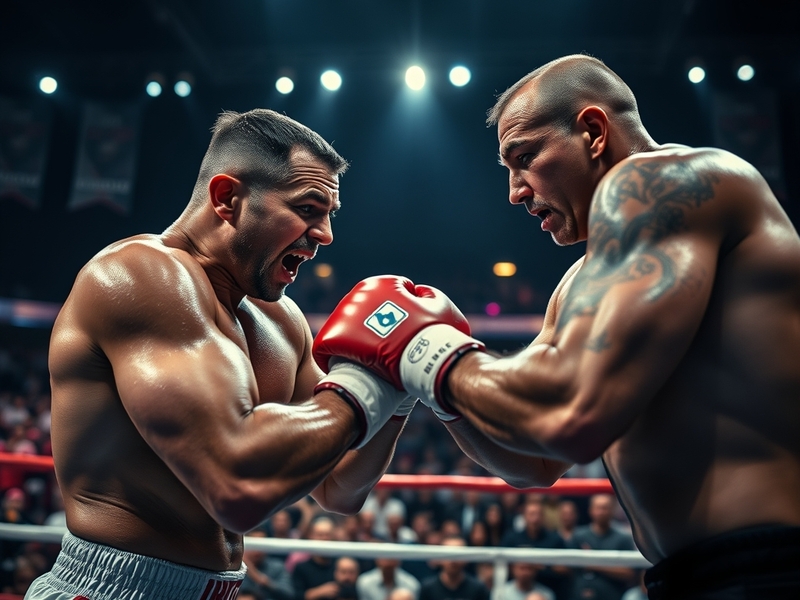
The Glasgow Hydro has become synonymous with exciting events, but the recent bare knuckle brawl has taken the venue’s reputation to a new level. This controversial fight drew attention not only for its raw brutality but also for the cultural implications surrounding bare knuckle boxing itself. The event attracted a diverse crowd, eager to witness a spectacle that many see as a return to the roots of boxing.
The Rise of Bare Knuckle Boxing
Bare knuckle boxing has a storied history, dating back centuries. It was once a popular sport, but over time it faded into the background as gloved boxing took over. However, in recent years, there has been a resurgence of interest in bare knuckle fighting. The reasons for this revival are multifaceted:
- Authenticity: Many fans appreciate the unfiltered nature of bare knuckle fights, viewing them as a more genuine form of combat.
- Accessibility: Without the need for expensive gloves and equipment, more fighters can participate, leading to a diverse pool of talent.
- Cultural appeal: The gritty image of bare knuckle fighting resonates with those who crave a break from mainstream sports.
The Glasgow Hydro event exemplified this resurgence, showcasing fighters from various backgrounds and skill levels, each bringing their unique style to the ring.
The Event Itself
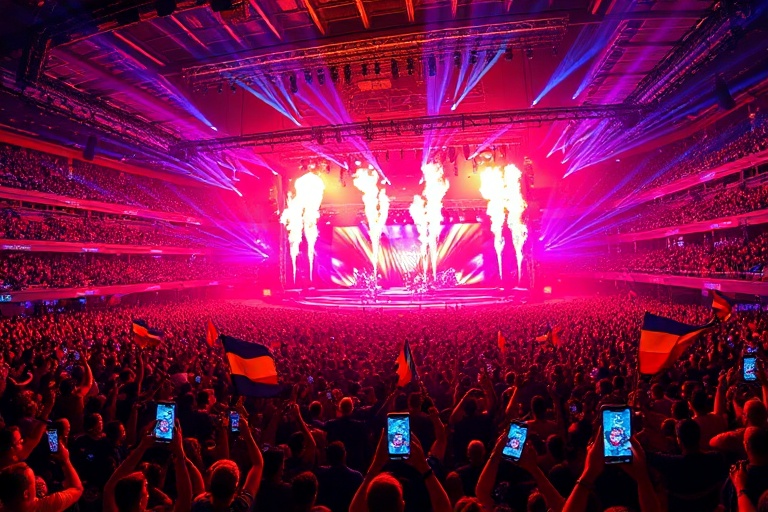
The Glasgow Hydro was packed as spectators gathered for the highly anticipated bare knuckle brawl. The atmosphere was electric, with fans buzzing in anticipation of the first punch. As the fighters entered the ring, the crowd erupted, showcasing the fervor surrounding this unregulated sport.
Throughout the evening, numerous bouts took place, each more intense than the last. The fighters displayed a range of techniques, from traditional boxing styles to more unorthodox approaches. The absence of gloves heightened the stakes, as every punch carried the potential for significant injury.
Despite the brutality, some spectators expressed concerns about the safety of the fighters. The lack of protective gear raises ethical questions about the sport’s legitimacy and the well-being of its participants. While many view it as a form of entertainment, others see it as a dangerous spectacle.
The Cultural Implications
As bare knuckle boxing gains traction, it brings with it a slew of cultural implications. The sport is often viewed through the lens of masculinity and toughness, appealing to those who admire resilience and grit. However, this popularity also invites criticism from various quarters.
Critics argue that bare knuckle fighting glorifies violence and undermines the safety of athletes. There is an ongoing debate about whether such events should be allowed to continue, especially given the potential for serious injuries.
Moreover, the event at the Glasgow Hydro has sparked discussions about the regulation of combat sports. Many advocates are calling for stricter guidelines to ensure fighter safety without stifling the growth of the sport. The balance between entertainment and safety remains a crucial topic among fans and critics alike.
Conclusion
The Glasgow Hydro bare knuckle brawl has undoubtedly left a mark on the local sporting scene. While it celebrates a return to a more primal form of boxing, it also raises significant questions about the future of the sport. As interest in bare knuckle fighting continues to grow, the need for regulation and safety measures becomes increasingly important.
Ultimately, the event serves as a reminder of the complexities surrounding combat sports. It is a blend of tradition, excitement, and controversy, reflecting society’s ongoing relationship with violence as a form of entertainment. As the conversation evolves, it will be interesting to see how the sport adapts to meet the demands of its audience while prioritizing the safety of its fighters.