Understanding Vinted: A Global Perspective on Second-Hand Fashion
Vinted has emerged as a significant player in the realm of second-hand fashion, connecting buyers and sellers worldwide. Founded in 2008 in Lithuania, this platform has grown exponentially, allowing users to sell, buy, and exchange clothing and accessories. With the increasing awareness of sustainability and the push towards a circular economy, Vinted’s model resonates with many across different cultures.
The Rise of Second-Hand Shopping
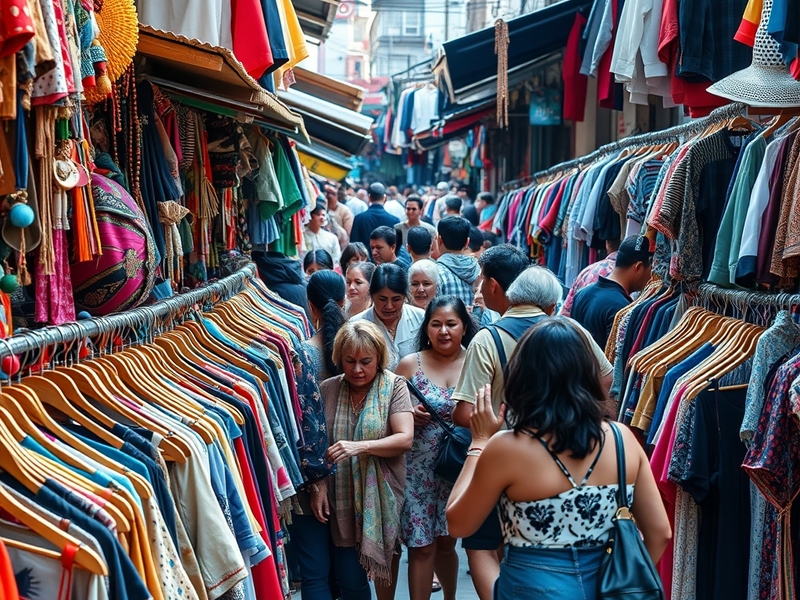
Second-hand shopping is not a new concept; however, its popularity has surged in recent years. This trend can be attributed to several factors:
- Sustainability: Consumers are more conscious of their environmental impact. Buying second-hand reduces waste and promotes recycling.
- Affordability: Thrift shopping allows individuals to find quality items at a fraction of the retail price.
- Unique Finds: Vintage and unique pieces can set individuals apart from mainstream fashion trends.
- Community Engagement: Platforms like Vinted foster a sense of community among users who share similar values.
As Vinted expands its reach, it taps into the growing demand for sustainable shopping alternatives. This shift is evident in various regions, including Europe, where thrift stores and online resale platforms have become commonplace.
Cultural Context and Global Adoption
Vinted operates in multiple countries and adapts to local markets while maintaining a unified platform. For instance, in France, the platform is particularly popular among young adults who embrace the idea of sustainable fashion. In contrast, users in the UK often focus on the affordability and uniqueness of the items available. This adaptability is crucial for Vinted’s international success.
In some cultures, the stigma around second-hand shopping is diminishing. For example, in Scandinavian countries, thrift shopping is seen as a norm, while in other regions, it may still carry a social stigma. Vinted’s marketing strategies often highlight the chic and trendy aspects of second-hand fashion, helping to shift perceptions and encourage broader acceptance.
Features That Enhance User Experience
Vinted’s platform is designed with user-friendliness in mind. Some key features that contribute to its success include:
- Easy Listing: Users can quickly upload photos and descriptions of their items, making it simple to sell.
- Secure Transactions: Vinted provides a secure payment system, ensuring both buyers and sellers feel safe during transactions.
- Community Feedback: Ratings and reviews help establish trust among users, fostering a reliable marketplace.
- Search Filters: Users can easily find items based on size, brand, or category, streamlining the shopping experience.
These features not only enhance user satisfaction but also promote repeat usage, as individuals are more likely to return to a platform that is efficient and trustworthy.
Challenges and Future Directions
Despite its success, Vinted faces challenges typical of online marketplaces. Issues such as counterfeit items, user disputes, and market saturation can pose risks. However, the company is continuously working to address these challenges through improved policies and user education.
Looking ahead, Vinted is likely to expand its offerings. The inclusion of additional categories, such as home goods or children’s clothing, could attract a broader audience. Furthermore, partnerships with eco-friendly brands might enhance its appeal to environmentally conscious consumers.
As the second-hand fashion trend continues to grow, Vinted’s role in shaping the future of sustainable shopping remains pivotal. The platform not only provides an avenue for affordable fashion but also aligns itself with a movement that prioritizes sustainability and community.
For those interested in exploring more about sustainable living and fashion trends, check out our Fashion section for the latest insights. Additionally, if you’re keen on sports and how they intersect with lifestyle choices, visit our Sports page.