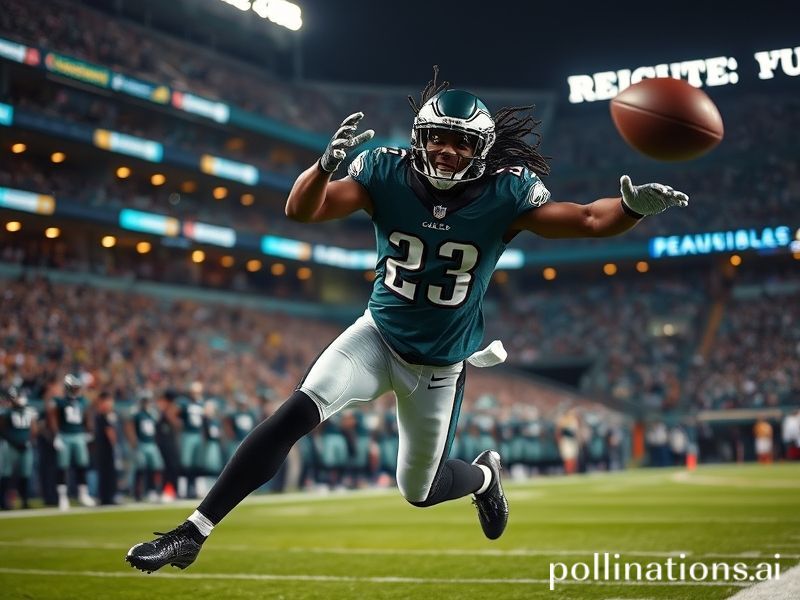
NFL Football Trade Deadline: A Critical Turning Point
The NFL trade deadline is a pivotal moment in the football season, often shaping the trajectory of teams and influencing the playoff race. Typically occurring in late October, this deadline marks the last opportunity for teams to make trades before the playoffs begin. As teams assess their rosters and evaluate their chances, the trade deadline can lead to significant changes in player lineups, impacting both team dynamics and league standings.
Understanding the Trade Deadline Dynamics
The trade deadline serves various purposes, primarily allowing teams to bolster their rosters or offload underperforming players. Some teams aim to make a push for the playoffs, while others may look to rebuild for the future. This duality creates a fascinating tension as franchises navigate the delicate balance between immediate success and long-term planning.
Several factors come into play during this period:
- Performance Metrics: Teams often analyze player statistics to determine who can contribute effectively.
- Injury Reports: Injuries can drastically alter a team’s needs, prompting urgent trades.
- Contract Situations: Players nearing the end of contracts may be moved to avoid losing them for nothing.
- Team Chemistry: Integrating new players requires careful consideration of existing team dynamics.
Key Trades and Their Implications
Historically, the NFL trade deadline has seen some major transactions that have altered the course of seasons. For instance, trades involving star players can rejuvenate a team, while sending shockwaves through the league. Notable trades in recent years have included high-profile names, often leading to immediate impacts on playoff chances.
Some significant implications of these trades include:
- Enhanced Competitiveness: Teams that acquire top talent can quickly become contenders, shaking up playoff predictions.
- Rebuilding Strategies: Teams losing key players may shift their focus to younger talent, aiming for future success.
- Market Value Fluctuations: Trades can influence player values, affecting future contract negotiations and salary cap strategies.
Analyzing the Broader Impact on the NFL
The trade deadline extends beyond individual teams; it reflects broader trends within the NFL. For example, aggressive moves by certain franchises signal a win-now mentality, while others adopt a more cautious approach, emphasizing development and sustainability. This dichotomy illustrates the varying philosophies that coexist in the league.
Moreover, the trade deadline can also affect fan engagement. Excitement builds as rumors circulate about potential trades, and fans closely follow developments. The buzz surrounding these transactions often leads to increased viewership and engagement on social media platforms. The NFL’s ability to generate interest even during the off-field activities is a testament to its robust brand.
Teams that recognize the importance of the trade deadline can leverage it to their advantage, positioning themselves strategically for both immediate and long-term success. As the deadline approaches each year, analysts and fans alike speculate on potential moves, highlighting the dynamic nature of the sport.
Conclusion
The NFL trade deadline is not merely a cut-off point for trades; it is a reflection of each team’s ambitions and strategies. As franchises make calculated decisions, the implications resonate throughout the league. Successful trades can transform a team’s fortunes, while poor decisions can lead to long-term consequences. As the next trade deadline approaches, all eyes will be on the teams and the potential moves they may make, underscoring the continuing evolution of NFL football.
For more insights into NFL strategies and player performances, check out our Sports and News sections.