Understanding the Active Shooter Threat in Washington, D.C.
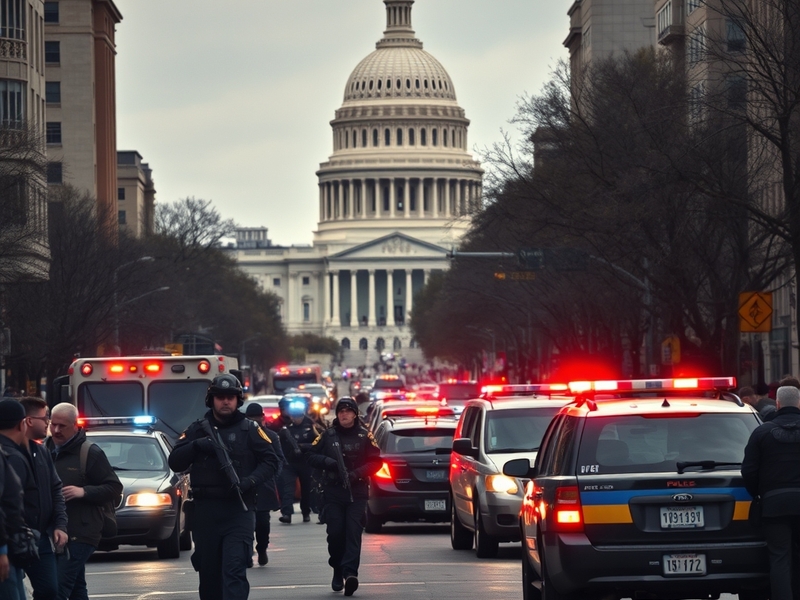
Active shooter incidents have become alarmingly prevalent across the United States, with Washington, D.C. being no exception. These situations, characterized by individuals actively engaged in killing or attempting to kill people in populated areas, create chaos and fear. The response from law enforcement and the community is critical in mitigating the impact of these tragic events.
Recent Incidents and Their Impact
In recent years, D.C. has witnessed several active shooter incidents that have left lasting scars on the community. Each event not only results in loss of life but also instills a pervasive sense of anxiety among residents and visitors alike. For instance, the shooting at the Washington Navy Yard in September 2013 claimed the lives of 12 individuals and highlighted vulnerabilities even in secure environments.
Such tragedies prompt discussions about safety measures and preparedness. The emotional toll on survivors and the families of victims can be profound and enduring. To understand the full scope of the issue, it’s essential to analyze both the immediate and long-term effects these incidents have on the community.
Preparedness and Response Strategies
Effective response to an active shooter situation relies on comprehensive preparedness strategies. Law enforcement agencies, such as the Metropolitan Police Department, have implemented various protocols aimed at quick response and public safety. Key strategies include:
- Training and Drills: Regular training for police and first responders to handle active shooter scenarios.
- Public Awareness Campaigns: Initiatives aimed at educating citizens on how to react during an active shooter event.
- Collaboration with Local Businesses: Engaging local businesses and organizations in safety drills and preparedness training.
- Emergency Response Plans: Development of clear action plans that can be quickly executed in the event of an incident.
These strategies are vital for ensuring that both law enforcement and the public are equipped to handle potential threats effectively. Community engagement is also essential in creating a culture of awareness and preparedness.
The Role of Technology in Enhancing Safety
Advancements in technology have played a significant role in improving safety measures in urban environments. In D.C., various technologies are being employed to enhance situational awareness and response capabilities. Some notable examples include:
- Surveillance Systems: Enhanced camera systems that provide real-time monitoring of public spaces.
- Gunshot Detection Systems: Technology that can identify and locate gunfire, allowing for rapid police response.
- Mobile Alert Systems: Applications that notify citizens of nearby threats or emergencies.
These technological innovations can significantly reduce response times and help prevent potential disasters before they escalate. However, they also raise concerns about privacy and surveillance, which must be carefully balanced against the need for public safety.
Community Resilience and Support Systems
Building resilience within the community is vital for recovery from active shooter incidents. Mental health support services play a crucial role in helping individuals cope with trauma. Organizations and community services in D.C. offer counseling, support groups, and resources for those affected by such tragedies.
Moreover, fostering open dialogues about safety and mental health can empower citizens. Community forums and workshops can provide platforms for discussing concerns and developing collective strategies for prevention and response. The importance of community cohesion cannot be understated in the aftermath of violence.
Ultimately, addressing the threat of active shooters requires a multifaceted approach that combines law enforcement preparedness, technological advancements, and community support. By prioritizing safety and resilience, Washington, D.C. can work towards a future where such incidents are less frequent and less devastating.