Czechia vs Spain: A Comparative Analysis
The clash between Czechia and Spain in various arenas, whether in sports, culture, or politics, presents an intriguing study of two distinct nations. Czechia, a relatively young country in Central Europe, contrasts sharply with Spain, a nation steeped in rich history and diverse cultures. This article explores their comparisons across multiple dimensions, focusing primarily on sports and cultural exchanges.
Sports Rivalry: Football at the Forefront
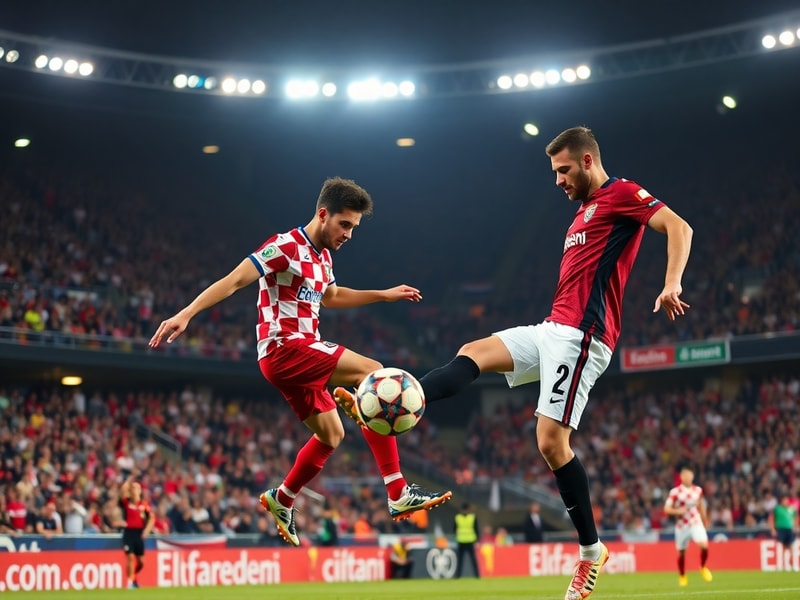
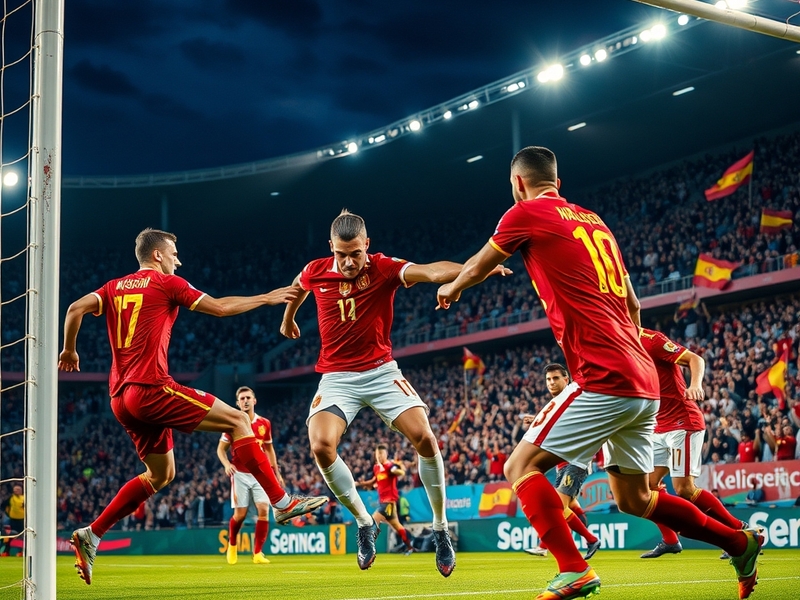
One of the most notable arenas of competition between Czechia and Spain is in football. Both nations have passionate fan bases and storied histories in the sport. Spain, with its illustrious record, including victories in the FIFA World Cup and UEFA European Championship, has long been considered a powerhouse. On the other hand, Czechia, while not as decorated, has a proud footballing tradition with a history of strong performances in international tournaments.
Key points of comparison in their footballing rivalry include:
- Historical Success: Spain has won major international trophies, while Czechia boasts a strong legacy in European competitions.
- Playing Style: Spain is known for its possession-based style, whereas Czechia often relies on a more physical and direct approach.
- Fan Culture: Both nations have dedicated supporters, but the atmosphere at matches in Spain is often seen as more vibrant and festive.
- Recent Encounters: Recent matches have shown a competitive edge, with both teams aiming to assert dominance in European qualifiers.
The football rivalry reflects broader national pride and cultural identity. For Czech fans, every match against Spain is not just a game; it’s a chance to showcase their resilience against a footballing giant.
Cultural Exchanges: Art and Heritage
Beyond the football pitch, Czechia and Spain share rich cultural heritages that have influenced each other over the years. Czechia, known for its stunning architecture and rich literary tradition, contrasts with Spain’s vibrant art scene and its historical contributions to music and dance.
Significant cultural exchange points include:
- Literature: Czech writers like Franz Kafka have inspired Spanish authors, while Spanish literature has found a place in Czech academia.
- Art Movements: The influence of Spanish artists such as Picasso can be seen in Czech art, while Czech animation has attracted attention in Spain.
- Culinary Influences: Both countries have unique cuisines, yet there is a growing interest in each other’s culinary traditions, leading to fusion dining experiences.
This cultural interplay enriches both nations, fostering understanding and appreciation. The arts serve as a bridge, connecting people and ideas across borders, allowing for a deeper exploration of shared human experiences.
Broader Implications: Politics and Economics
The relationship between Czechia and Spain also extends into the political and economic realms. As members of the European Union, both countries must navigate shared challenges such as economic stability, migration, and environmental issues. Their cooperation in these areas highlights the importance of solidarity among EU nations.
Key considerations in their political and economic relationship include:
- Trade Relations: Spain is one of Czechia’s significant trade partners, with exports ranging from machinery to automotive products.
- EU Policies: Both countries share common interests in EU legislative matters, especially regarding environmental sustainability and digital transformation.
- Tourism: Spain remains a popular destination for Czech tourists, while Czechia attracts Spanish visitors with its historical sites and natural beauty.
The political dynamics between these two nations are vital as they work together within the EU framework. Their collaboration can lead to more robust policies that benefit both countries and the broader European community.
Conclusion: A Promising Future
In summary, the relationship between Czechia and Spain is multifaceted, encompassing sports, culture, and politics. While they differ significantly in size and historical context, both nations have much to offer each other. The ongoing exchanges in football, art, and economic collaboration showcase the potential for a strong partnership. As they continue to engage on various fronts, the future holds promise for deeper ties and mutual understanding.