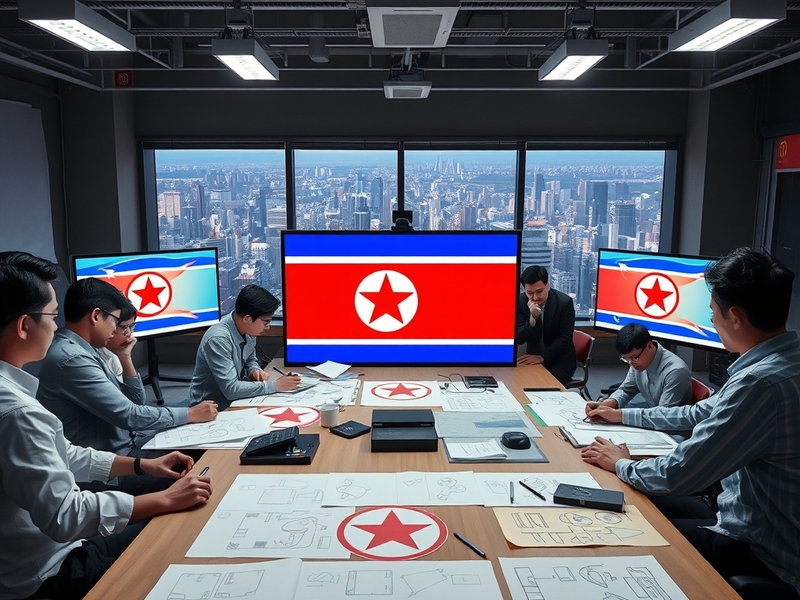
Introduction to the Flag Redesign
The recent discussions surrounding the redesign of North Korea’s flag have sparked considerable interest and speculation. While flags often symbolize national pride and identity, the potential changes to North Korea’s flag could reflect deeper political shifts within the country. Understanding the implications of such a redesign requires a look at both the historical context and the current state of affairs in the nation.
Historical Context of North Korea’s Flag
North Korea’s flag has remained largely unchanged since its adoption in 1948. The flag features a red field, blue bands, and a white circle with a five-pointed star, symbolizing the country’s socialist ideals. Over the years, the flag has become synonymous with the Kim dynasty and its regime, embodying both national identity and the state’s propaganda.
Throughout different political climates, symbols like flags can take on varied meanings. The current design is deeply rooted in the country’s revolutionary history. However, as North Korea navigates its place in the global arena, a redesign might signal a shift in ideology or a desire for modernization.
Potential Reasons for Redesign
Several factors could motivate North Korea to consider a redesign of its flag:
- Political Rebranding: A new flag could represent a new era under Kim Jong Un’s leadership, distancing from past regimes.
- International Relations: As North Korea attempts to improve relationships with other nations, a modernized flag may help soften its image.
- National Unity: A redesign could aim to foster greater national unity among its citizens, especially in light of economic challenges.
- Symbolic Change: Changing the flag can symbolize a break from the past, offering a fresh start for the nation.
Broader Implications of the Redesign
The implications of redesigning North Korea’s flag extend beyond aesthetics. A flag serves as a powerful emblem of national identity, and any changes could reverberate through the political landscape. For instance, a new design may alter how citizens relate to their government and to each other. It could also influence international perceptions, potentially leading to shifts in diplomatic relations.
Moreover, the flag’s redesign could stir discussions about national ideology. If the new design embraces more contemporary symbols or colors, it may indicate a move toward a more progressive ideology, contrasting sharply with the traditional socialist imagery of the current flag.
Conclusion
The potential redesign of North Korea’s flag is a complex issue that encapsulates the nation’s history, politics, and aspirations. While a new flag might seem like a mere cosmetic change, it carries significant weight in the context of national identity and international relations. As the world watches, the outcomes of such a decision will likely serve as indicators of North Korea’s future direction.
For those interested in more insights on North Korean politics and culture, visit our Culture and News sections for the latest updates and analyses.