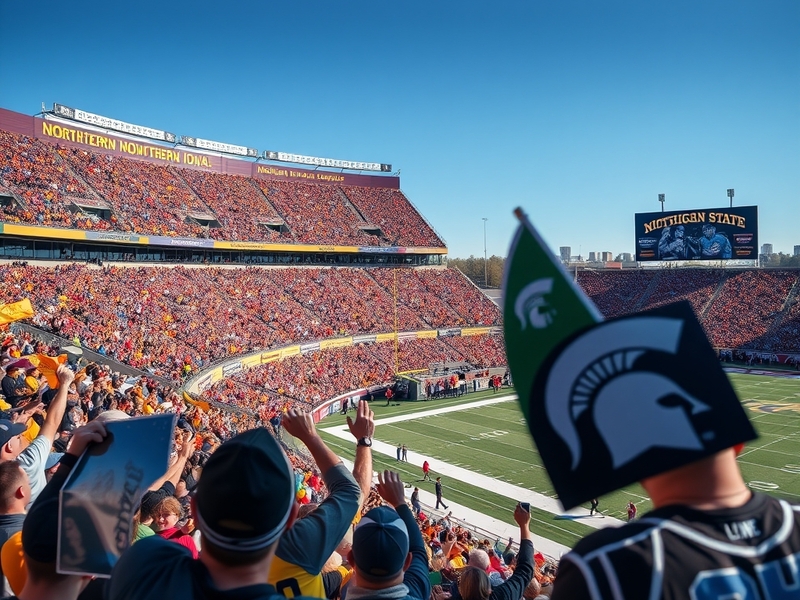
Understanding the Rivalry: University vs. Michigan State
The rivalry between the University of Michigan and Michigan State University is one of the most storied in college sports. This competition extends beyond athletics into academics, culture, and community pride. Both institutions boast rich histories and vibrant student bodies, making the comparison between them an intriguing topic for prospective students and sports fans alike.
Academic Excellence
When evaluating the academic offerings, both universities have unique strengths. The University of Michigan, located in Ann Arbor, is often ranked among the top public universities in the United States. It offers a wide range of programs, particularly renowned in engineering, business, and the arts.
Michigan State, situated in East Lansing, also holds a strong academic reputation, particularly in areas such as education, agriculture, and communication. The university emphasizes research and innovation, with numerous facilities dedicated to cutting-edge studies.
Here’s a brief comparison of their academic strengths:
- University of Michigan: Top-ranked programs in engineering, business, and healthcare.
- Michigan State University: Notable programs in education, agriculture, and environmental science.
- Research Opportunities: Both universities offer extensive research opportunities, but U of M has a slight edge in funding and resources.
Sports and School Spirit
The athletic rivalry is perhaps the most visible aspect of the competition. Both universities have passionate fan bases that show unwavering support for their teams. The annual football game, known as the “Battle for the Paul Bunyan Trophy,” draws significant attention and showcases the intensity of this rivalry.
Michigan fans are known for their “Go Blue” chants, while Michigan State supporters cheer for their “Spartan Dawg” mentality. This spirit is not limited to football; it extends to basketball, hockey, and various other sports. The overall experience of attending a game at either university is electric, filled with traditions, cheers, and community involvement.
Key aspects of their sports culture include:
- Football: The annual matchup is a highlight of the college football season.
- Basketball: Both teams have a history of success in NCAA tournaments.
- School Traditions: Unique traditions, such as the “Big House” at Michigan and the “Izzone” at MSU, enhance the game day experience.
Campus Life and Community
Campus life varies significantly between the two universities. The University of Michigan boasts a vibrant and diverse student body with over 1,500 student organizations, ranging from academic to cultural and recreational. The Ann Arbor community is known for its lively arts scene, restaurants, and outdoor activities.
On the other hand, Michigan State offers a different atmosphere. The campus is larger and features expansive green spaces, offering a more suburban feel. With more than 600 student organizations, MSU fosters a close-knit community where students often engage in service and leadership activities.
Both universities are located in areas with rich histories and cultural significance, contributing to the overall experience for students. Here are some highlights of campus life:
- University of Michigan: A bustling downtown area with shops, theaters, and cafes.
- Michigan State University: A strong emphasis on sustainability and community service projects.
- Student Engagement: Opportunities for involvement in research, internships, and networking events.
Conclusion: Choosing the Right Fit
Both the University of Michigan and Michigan State University offer exceptional education and experiences, though they cater to different preferences and priorities. Prospective students should consider factors such as academic programs, campus culture, and personal interests when making their choice.
Ultimately, whether one identifies more with the maize and blue of Michigan or the green and white of Michigan State, both schools provide rich opportunities for growth and development. The rivalry may fuel competition, but it also fosters a unique spirit that contributes to the identity of each institution.