Exploring the Connection Between Portugal and Denmark
Portugal and Denmark, two countries located at opposite ends of Europe, share a unique relationship that spans history, culture, and modern-day interactions. While their languages, traditions, and climates differ significantly, both nations offer rich cultural tapestries that are worth exploring. This article delves into the historical ties, cultural exchanges, and current dynamics between Portugal and Denmark, revealing a fascinating portrait of mutual influence and appreciation.
Historical Ties and Trade Relations
The historical relationship between Portugal and Denmark can be traced back to the Age of Exploration in the 15th and 16th centuries. During this period, both nations sought to expand their influence through trade and exploration. Portuguese explorers, such as Vasco da Gama, opened maritime routes to India and Africa, while Denmark established its presence in the North Atlantic and beyond.
Trade became a significant aspect of their relationship. Denmark, with its strong naval capabilities, engaged in trade with Portugal, exchanging goods like spices, textiles, and fish. Over the centuries, this trade evolved, leading to cultural exchanges that have shaped both nations.
Cultural Exchanges and Influence
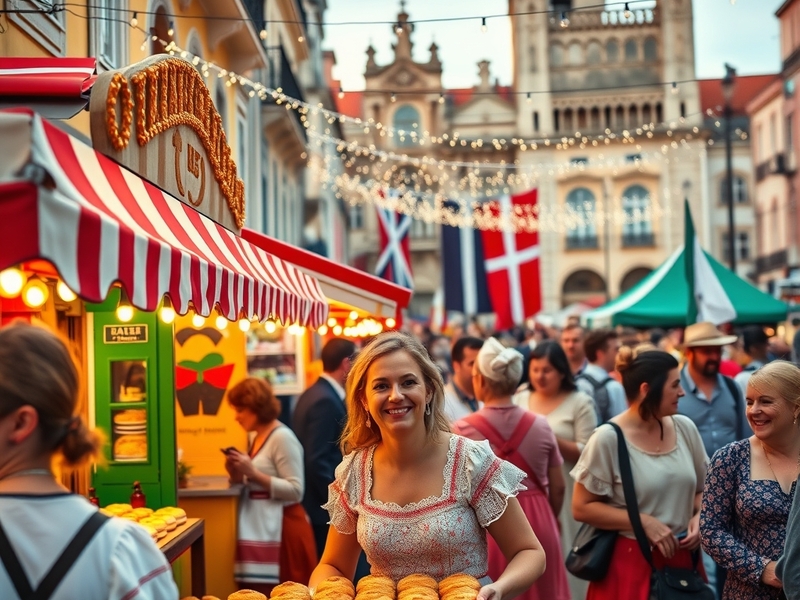
Culturally, Portugal and Denmark have influenced each other in various ways. The migration of Portuguese communities to Denmark, particularly in the 20th century, has enriched Danish society with Portuguese traditions, cuisine, and festivals. Portuguese restaurants can be found in cities like Copenhagen, showcasing dishes such as bacalhau (cod) and pastéis de nata (custard tarts).
Conversely, Danish design and architecture have made their mark in Portugal. The minimalist aesthetics of Danish furniture and design principles resonate with Portuguese tastes, particularly in urban areas where modernity meets tradition.
Key Cultural Contributions
- Food: The introduction of Portuguese cuisine to Denmark has led to a fusion of flavors, with dishes like bifana sandwiches becoming popular.
- Festivals: Events such as the Festa de São João in Porto have attracted Danish visitors, who enjoy experiencing the vibrant local culture.
- Art and Literature: Both nations have a rich artistic heritage, with Portuguese fado music and Danish literature influencing each other’s creative expressions.
Modern-Day Relations
In contemporary times, the relationship between Portugal and Denmark continues to thrive. Both countries are members of the European Union, which facilitates collaboration on various fronts, including economic, environmental, and cultural initiatives. They share common goals concerning sustainability and innovation, with Denmark often leading in renewable energy and Portugal embracing similar initiatives.
Tourism is another vital aspect of their modern relationship. Danish tourists flock to Portugal for its sunny beaches and rich history, while Portugal has become an attractive destination for Danish expatriates seeking a different lifestyle. This reciprocal flow of people has fostered a deeper understanding and appreciation of each other’s cultures.
Tourism Highlights
- Lisbon: The vibrant capital city, known for its historic neighborhoods and lively atmosphere.
- Copenhagen: Denmark’s capital, famous for its canals, cycling culture, and design.
- Porto: Renowned for its wine and stunning riverside views, a must-visit for any traveler.
- Aarhus: Known for its cultural offerings and youthful energy, perfect for those exploring Danish culture.
Conclusion
In conclusion, the relationship between Portugal and Denmark is a testament to the power of cultural exchange and collaboration. From historical trade connections to modern-day tourism, both countries have much to offer each other. As they continue to engage on various levels, the bonds between these two nations will likely strengthen, enriching their respective cultures and fostering a greater understanding among their people.