Contextual Overview of Portugal vs. Denmark Football Match
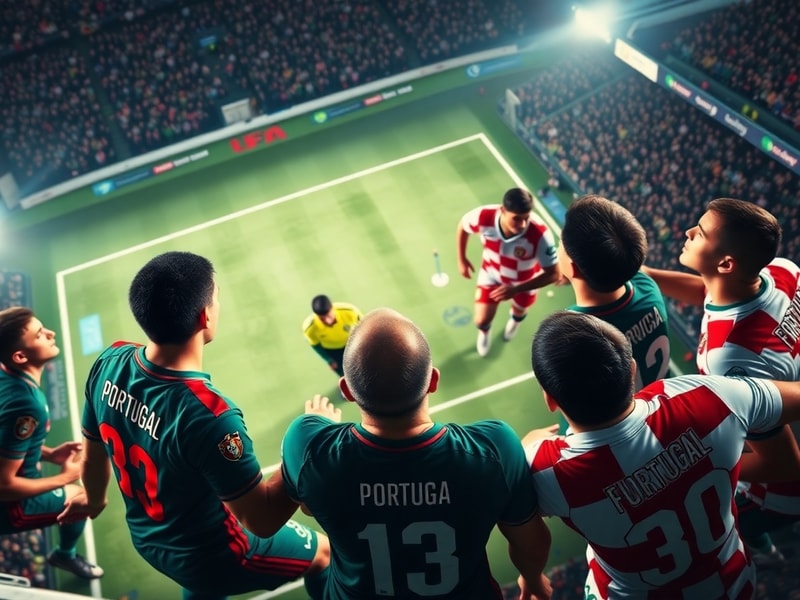
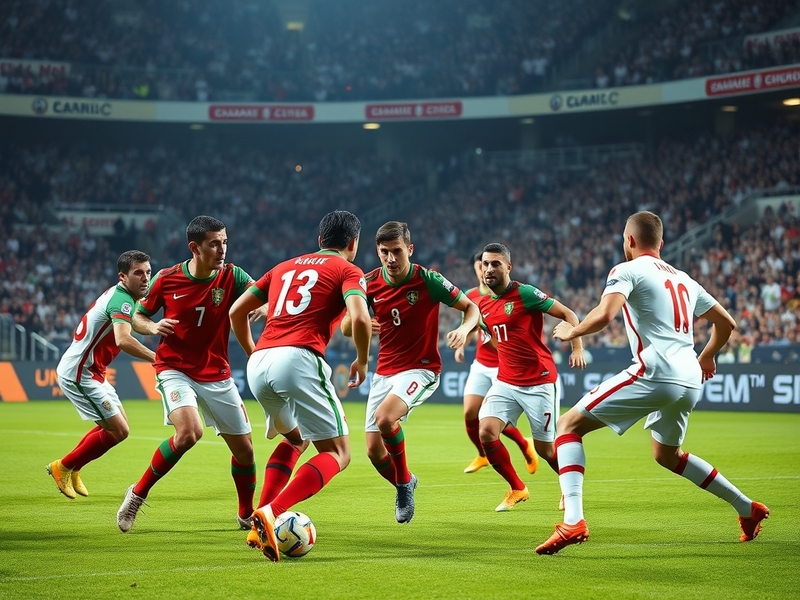
The recent football match between Portugal and Denmark not only showcased the technical prowess of both teams but also highlighted their strategic approaches to the game. As two strong contenders in European football, their clash was eagerly anticipated by fans and analysts alike. Portugal, known for its flair and attacking style, faced a Danish side that prides itself on disciplined defense and tactical organization.
Both teams brought a unique set of strengths to the pitch. Portugal’s lineup featured a mix of experienced players and emerging talents, which allowed them to maintain a dynamic playstyle. Denmark, on the other hand, relied on its solid defensive structure and quick counter-attacks. The match served as a critical test for both squads as they prepare for upcoming international competitions.
Key Tactical Positions and Strategies
Understanding the tactical formations employed by both teams provides insight into their gameplay. Portugal typically utilizes a 4-3-3 formation, emphasizing width and attacking options. This formation allows their wingers to exploit the flanks while the midfielders support both defense and attack. Key players like Bruno Fernandes and Bernardo Silva often interchange positions to create opportunities.
Denmark, conversely, often opts for a 4-2-3-1 formation, which offers defensive stability and flexibility. This setup allows the two central midfielders to shield the backline while the attacking midfielder can link up with the forwards. Players such as Christian Eriksen play a pivotal role in orchestrating the attack from the midfield.
- Portugal’s Key Players:
- Rúben Dias – Central Defender
- Bruno Fernandes – Midfielder
- Cristiano Ronaldo – Forward
- Denmark’s Key Players:
- Kasper Schmeichel – Goalkeeper
- Christian Eriksen – Midfielder
- Pione Sisto – Forward
Match Highlights and Performance Analysis
The match unfolded with both teams showcasing their defensive capabilities. Early on, Portugal struggled to break through Denmark’s organized defense. However, as the game progressed, Portugal’s attacking players began to find their rhythm. A crucial moment came in the second half when a well-placed cross from the right flank found Cristiano Ronaldo, who scored with a powerful header.
Denmark responded with urgency, pushing forward and attempting to exploit any gaps left by the Portuguese defense. Their efforts culminated in a well-executed counter-attack that resulted in a goal from Eriksen, equalizing the match. This exchange of goals highlighted the offensive strengths of both teams but also underscored the importance of defensive discipline.
Broader Implications for European Football
This match serves as a microcosm of the evolving strategies in European football. Portugal’s emphasis on attacking play contrasts with Denmark’s focus on a robust defensive approach. As teams prepare for major tournaments, such as the UEFA Euro Championship, understanding these dynamics becomes crucial.
The clash also reflects the broader trends in international football where tactical flexibility and player versatility are becoming increasingly important. Teams that can adapt their style to counter opposing strategies often find greater success. For Portugal and Denmark, this match was more than just a contest; it was a valuable opportunity to refine their tactics and assess their readiness for future challenges.
In conclusion, the match between Portugal and Denmark was a compelling encounter that showcased the tactical diversity in modern football. Both teams displayed their strengths and weaknesses, providing insights into their strategies. As they move forward in their respective campaigns, the lessons learned from this match will undoubtedly influence their preparations and performances in upcoming fixtures.