Nations League Standings Overview
The UEFA Nations League has become an essential part of the international football calendar. Established to enhance competitive balance among national teams, it offers a fresh alternative to traditional friendlies. The current standings reflect a mix of surprises and expected outcomes, showcasing the evolving dynamics of European football.
Current Standings and Key Teams
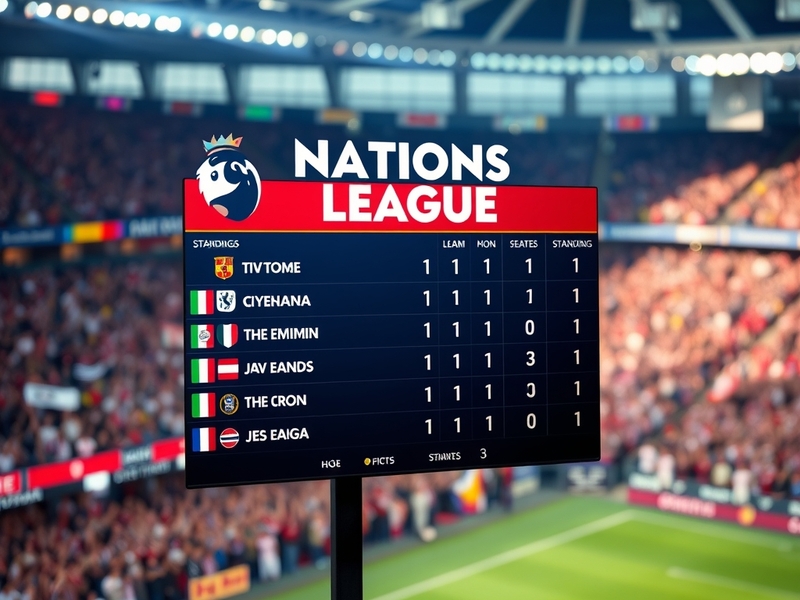
As of the latest round of fixtures, several teams have emerged as front-runners in their respective groups. The standings are crucial not only for qualification to future tournaments but also for national pride and development. Here’s a snapshot of the current leaders:
- Group A1: Spain leads with a solid performance, showcasing their tactical prowess.
- Group A2: France remains a dominant force, maintaining their reputation as one of the top teams globally.
- Group A3: Portugal has impressed with a blend of youth and experience, positioning themselves well for upcoming challenges.
- Group A4: England has shown resilience, climbing to the top of their group with key victories.
These standings are not just numbers; they tell a story of strategy, preparation, and execution on the field. Teams are not only competing for a trophy but also for a chance to solidify their status in international football.
Broader Implications of the Standings
The Nations League standings have significant implications beyond the immediate competition. For instance, they influence FIFA rankings, which can affect seedings for future tournaments. A strong performance can lead to better positioning in draws for the World Cup and European Championships.
Moreover, the league serves as a testing ground for national teams. Coaches often use these matches to try new formations and integrate younger players into the squad. The outcomes can shape national strategies for years to come, especially as teams prepare for major tournaments.
Additionally, the financial aspects cannot be overlooked. Success in the Nations League can lead to increased sponsorship deals and greater visibility for the teams involved. This economic boost is vital for many federations, particularly those with less funding.
Analysis of Team Performances
Examining individual team performances provides insight into the current standings. Spain’s tactical evolution under their new coach has been noteworthy. Their possession-based style has been effective, allowing them to dominate matches.
France, on the other hand, continues to rely on their established stars while also integrating young talent. This balance has proven effective, as seen in their recent matches where they have showcased depth in their squad.
Portugal’s rise is attributed to their successful blend of experienced players and emerging stars. The likes of Bruno Fernandes and João Félix are making significant impacts, pushing the team forward and keeping them competitive.
England’s journey has been marked by ups and downs. However, their recent form suggests a renewed determination to reclaim their status as one of Europe’s elite teams. The blend of youth and experience is beginning to gel, promising exciting prospects for the future.
Conclusion: What Lies Ahead
The current standings in the Nations League reflect not only the competitive nature of European football but also the evolving strategies of national teams. As teams gear up for the next round of fixtures, the stakes continue to rise. The outcomes of these matches will have lasting implications for FIFA rankings, financial opportunities, and team identities.
Fans eagerly await the next set of games, as the excitement builds around potential upsets and the emergence of new footballing powerhouses. The Nations League is more than a competition; it is a showcase of the rich tapestry of talent and strategy within European football.
For more detailed updates on the Nations League and football analysis, visit our sports section and stay tuned for the latest news and insights.