Introduction: A Clash of Cultures and Football
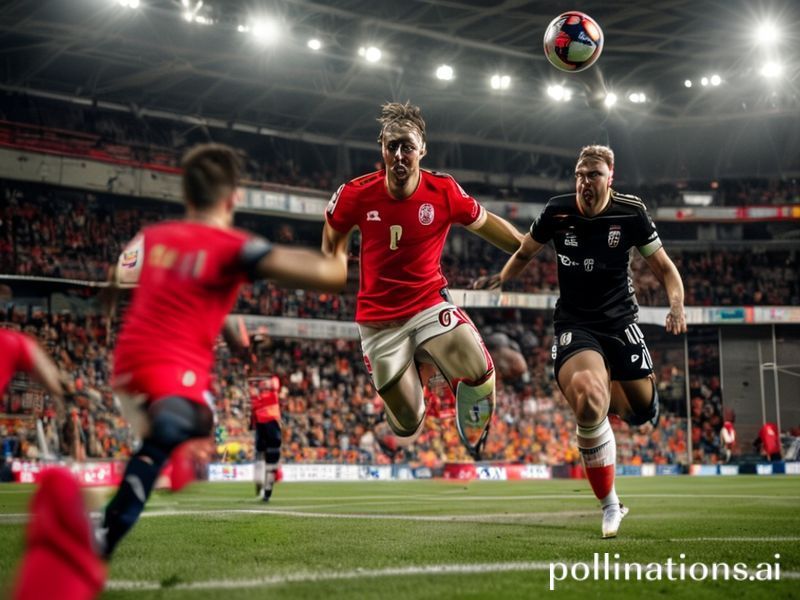
The rivalry between Jamaica and Mexico extends beyond the football field. It encapsulates a rich tapestry of cultural heritage, historical ties, and sporting prowess. Both nations have made significant contributions to the world of football, with their unique styles and passionate fan bases. In this article, we will explore the key elements that define this rivalry, from their footballing history to cultural significance.
Footballing History and Achievements
Jamaica and Mexico have both carved their names in the annals of football history, albeit in different ways. Mexico has a more established presence in international football, frequently qualifying for the FIFA World Cup and boasting a robust domestic league. Jamaica, on the other hand, made headlines during the 1998 World Cup when they became the first Caribbean nation to qualify for the tournament.
Key highlights of their footballing journeys include:
- Mexico: Regularly advancing to the knockout stages of the World Cup, including a round of 16 finish in 2018.
- Jamaica: Their remarkable run in the 1998 World Cup, where they finished third in their group, and the success of their Reggae Boyz in regional tournaments.
- Head-to-Head Matches: A series of competitive encounters in both World Cup qualifiers and the CONCACAF Gold Cup, showcasing their intense rivalry.
Cultural Context and Significance
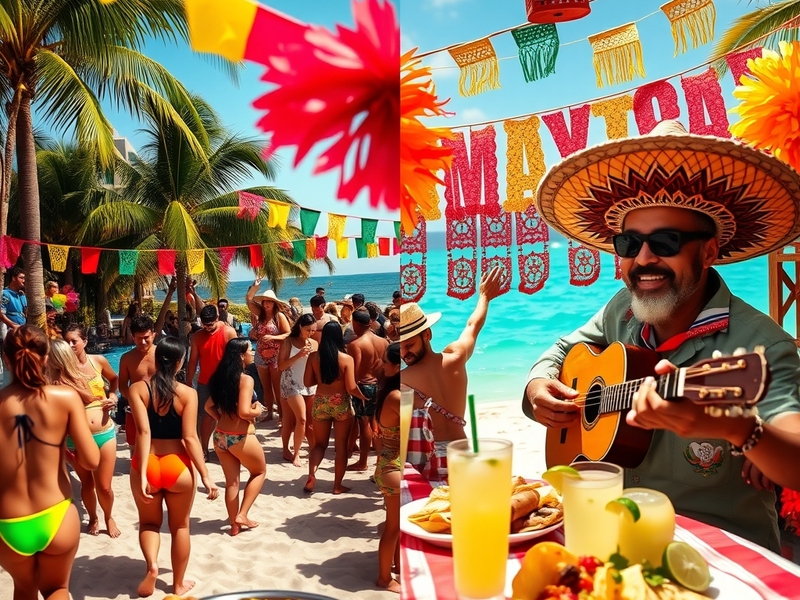
The cultural implications of the Jamaica vs. Mexico rivalry extend beyond football. Each nation brings its unique traditions, music, and cuisine to the forefront. Jamaica, known for reggae music and vibrant festivals, contrasts with Mexico’s rich heritage of mariachi, folk dances, and culinary delights like tacos and mole.
Football matches between these two nations often serve as a celebration of cultural identity. Fans don their national colors, creating an electrifying atmosphere that resonates with pride and passion. The matches are not just about the sport; they are a platform for cultural expression.
Broader Implications in the Sporting World
The rivalry between Jamaica and Mexico has broader implications within the realm of sports. It illustrates the growing competitiveness of teams from the Caribbean and Central America. As more nations invest in their football programs, the traditional power dynamics in the sport are shifting.
Some implications to consider include:
- Increased Talent Pool: Countries like Jamaica are producing world-class players who are making an impact internationally.
- Investment in Football: Increased interest and funding in grassroots programs can lead to a stronger footballing infrastructure.
- Fan Engagement: Matches between these nations attract significant viewership, highlighting the importance of fan culture in driving the sport’s popularity.
Conclusion: A Rivalry That Unites
In conclusion, the Jamaica vs. Mexico rivalry serves as a microcosm of the broader sporting landscape. It exemplifies the intersection of culture, history, and competition. While Mexico may hold a more established position in the world of football, Jamaica’s passionate approach to the game and its cultural contributions cannot be overlooked. As both nations continue to evolve in their footballing journeys, their rivalry will undoubtedly remain a captivating aspect of the sport.
For more insights into the world of sports, visit our Sports category or explore our articles on Culture for a broader understanding of the cultural implications of sports.