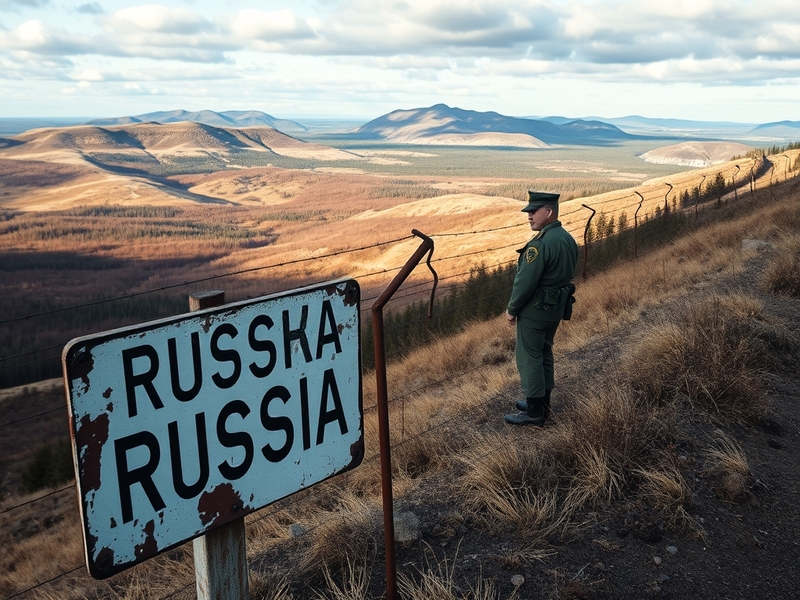
Understanding the Russian Border: A Geopolitical Overview
The Russian border stretches over 22,000 kilometers, making it the longest land border in the world. This extensive boundary not only delineates Russia’s territory but also plays a pivotal role in the geopolitical dynamics of the region. As tensions rise and fall, the significance of this border becomes ever more pronounced, influencing relationships with neighboring countries and impacting global politics.
Key Border Regions and Their Strategic Importance
Several key regions along the Russian border stand out due to their strategic importance. Each of these areas has its own unique characteristics and implications for security and diplomacy.
- The Baltic States: Estonia, Latvia, and Lithuania share borders with Russia, making them focal points for NATO’s eastern defense strategy.
- The Caucasus Region: This area, including Georgia and Azerbaijan, is vital for energy transit routes and has historically been a site of conflict.
- Eastern Siberia: Borders with Mongolia and China are essential for trade and resource management, particularly in energy and minerals.
- The Arctic Frontier: As ice melts, new shipping routes open, increasing the importance of Russia’s northern borders.
Each of these regions not only highlights Russia’s geographical challenges but also reflects the broader implications of its foreign policy and military strategies.
The Impact of Border Conflicts
Border conflicts have shaped Russian history and continue to affect its current geopolitical stance. The annexation of Crimea in 2014, for instance, has led to a significant deterioration in relations with Western nations. This action was not just about territorial gain; it symbolized a broader assertion of power and influence in the region.
Moreover, skirmishes along the borders with Ukraine and Georgia have demonstrated how fragile these relationships can be. The ongoing conflicts have prompted military buildups and increased tensions, drawing in international observers and impacting local populations. The implications are profound:
- Increased military presence along borders leads to heightened risks of miscalculation.
- Local populations often face instability and economic hardship due to military conflicts.
- Diplomatic relations suffer, isolating Russia from potential allies and trade partners.
Understanding these conflicts is crucial for any analysis of Russia’s current position in global politics.
Broader Implications for Global Politics
The Russian border is not merely a line on a map; it represents a complex web of historical grievances, national identities, and geopolitical strategies. The implications of actions taken at this border extend far beyond Russia’s immediate neighbors. For instance, the response of NATO to Russian maneuvers along these borders has significant ramifications for European security. The alliance’s commitment to defending its member states can escalate tensions, leading to a security dilemma where both sides feel compelled to bolster their military capabilities.
Additionally, economic sanctions imposed by Western nations in response to border conflicts have led to a re-evaluation of Russia’s economic partnerships. As Russia seeks to pivot towards Asia, particularly China, it changes the dynamics of global trade and alliances. This shift can have long-term consequences for international relations, as new economic ties are forged and old alliances tested.
Conclusion: The Future of the Russian Border
The future of the Russian border remains uncertain, influenced by a multitude of factors including national security, economic interests, and international diplomacy. As global dynamics continue to evolve, the role of this border will be critical in shaping the geopolitical landscape. Understanding its complexities is essential for anyone looking to grasp the nuances of contemporary international relations.
For more insights into geopolitical analysis, visit our Analysis section or explore the latest News articles.