Introduction to Kazakhstan and Slovakia
Kazakhstan and Slovakia are two nations that, while geographically distant, share intriguing contrasts and similarities. Kazakhstan, the largest landlocked country in the world, is known for its vast steppes and rich natural resources. On the other hand, Slovakia, a small Central European nation, is celebrated for its picturesque landscapes and vibrant culture. Understanding the dynamics between these two countries provides insight into their respective identities and global roles.
Geographical and Cultural Context
Kazakhstan spans over 2.7 million square kilometers, making it the ninth-largest country globally. Its terrain includes mountains, deserts, and extensive plains. The country is home to a diverse population, with ethnic Kazakhs making up the majority, followed by Russians, Uzbeks, and Ukrainians. This diversity is reflected in its rich cultural tapestry, which includes traditional music, dance, and cuisine.
In contrast, Slovakia covers only about 49,000 square kilometers. It is characterized by the Carpathian Mountains and numerous rivers. Slovak culture is deeply rooted in its history, with influences from both its Slavic neighbors and the Austro-Hungarian Empire. The country is known for its folk traditions, including music and crafts, which play a significant role in national identity.
Political Landscape and International Relations
The political environments of Kazakhstan and Slovakia differ significantly. Kazakhstan is a republic with a history of authoritarian governance, although recent reforms have aimed at increasing political pluralism. The country has been actively working to strengthen its international presence, particularly in Central Asia, and has forged partnerships with various nations, including Russia and China.
Slovakia, a parliamentary republic, has a more established democratic framework. Since gaining independence in 1993, Slovakia has been a member of the European Union and NATO, which has shaped its foreign policy and economic strategies. The nation actively participates in regional cooperation and international dialogue, particularly within the EU context.
Economic Overview
Economically, Kazakhstan is rich in natural resources, particularly oil and gas. These resources have driven its economic growth, making it one of the wealthiest countries in the region. However, the economy is also vulnerable to fluctuations in global energy prices, prompting the government to diversify its economic activities.
In contrast, Slovakia’s economy is more diversified, with significant contributions from manufacturing, services, and agriculture. The automotive industry, in particular, plays a crucial role, with several major car manufacturers operating in the country. This sector has positioned Slovakia as one of the largest car producers per capita in the world.
Comparative Analysis of Sports
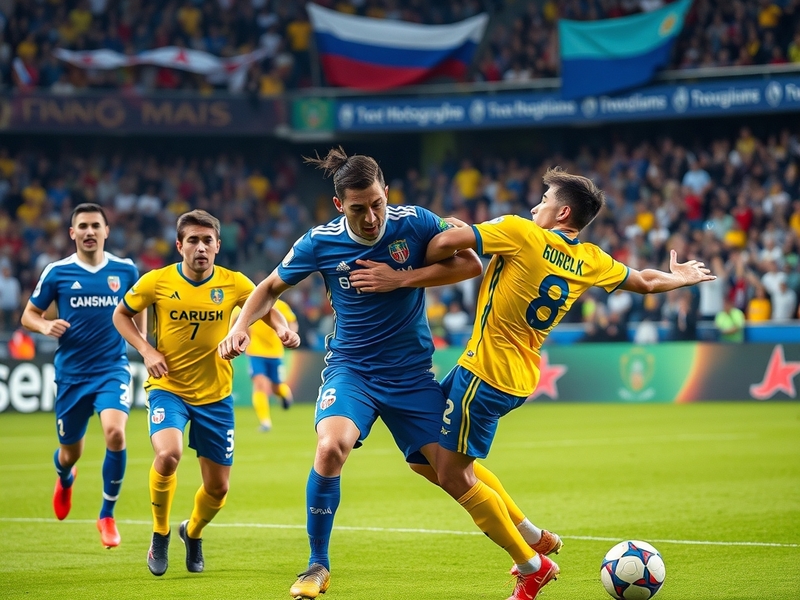
Sports play an essential role in both Kazakhstan and Slovakia, serving as a source of national pride and cultural expression. In Kazakhstan, sports such as wrestling, boxing, and ice hockey are particularly popular. The country has produced several world-class athletes who have excelled in international competitions.
Slovakia, too, has a rich sports culture, with ice hockey being the most prominent. The national team has achieved significant success in international tournaments, fostering a strong sense of community and national identity. Other sports, such as football and basketball, also enjoy popularity among Slovaks.
Conclusion
In summary, Kazakhstan and Slovakia, while varied in size, culture, and political systems, offer compelling insights into the diversity of global nations. Their unique histories and cultural contexts shape their identities on the world stage. Understanding these differences and similarities enhances our appreciation of the global tapestry that connects us all.
For further exploration of sports and cultural dynamics across nations, visit our Sports section for the latest updates and analyses.