Scotland’s Journey to Euro 2028: An Overview
Scotland’s national football team has a storied history, filled with passionate moments and fierce rivalries. As they look toward Euro 2028, the excitement among fans is palpable. The qualification process will be crucial, as it presents an opportunity for Scotland to showcase its talent on a major international stage once again.
Current Standing and Qualification Format
The qualification for Euro 2028 will involve a series of matches, with teams vying for a limited number of spots in the tournament. The competition format is designed to test the mettle of each squad, and Scotland will need to perform consistently to secure their place.
As of now, Scotland’s current FIFA ranking places them in a competitive position. Their recent performances in international friendlies and the UEFA Nations League have shown promise, but consistency will be key. The qualification process typically includes:
- Group Stage Matches
- Play-offs for Teams that Finish Second
- Automatic Qualification for Host Nations
With the tournament being hosted in the UK and Ireland, there is a chance that Scotland could benefit from automatic qualification, but this is not guaranteed. The team must remain focused in their group matches to improve their standing.
Key Players and Tactical Considerations
Scotland’s squad features a mix of experienced players and young talent. Key figures such as Andy Robertson and Scott McTominay bring leadership and skill to the pitch. Their performances in both domestic leagues and international fixtures will be critical for Scotland’s success.
Tactically, Scotland has often adopted a pragmatic approach, focusing on solid defense and quick counter-attacks. Manager Steve Clarke will need to balance this with an attacking strategy that can break down stubborn defenses. The team’s ability to adapt to different styles of play will be vital in their qualification campaign.
- Strong defensive organization
- Quick transitions from defense to attack
- Utilizing set pieces effectively
These elements can help Scotland navigate the challenges they will face in the qualification matches. Understanding opponents’ strengths and weaknesses will also play a significant role in their success.
Cultural Impact and Fan Engagement
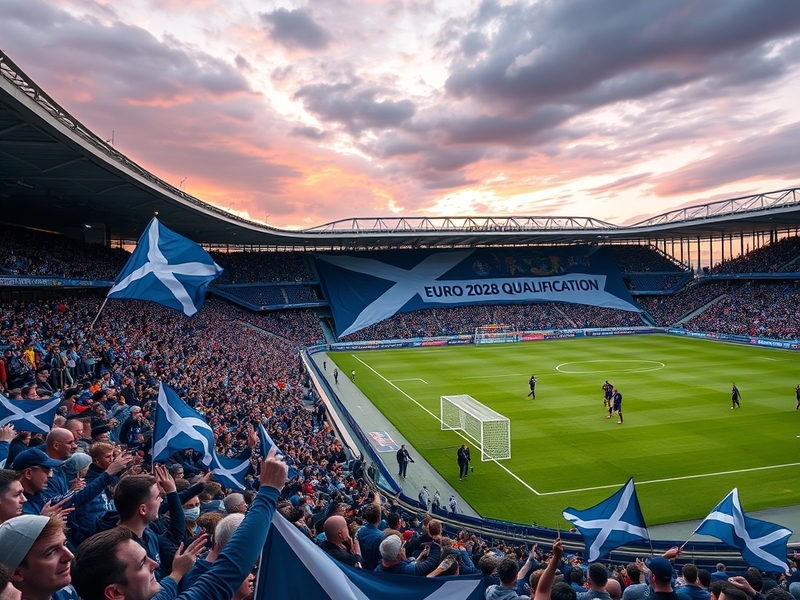
Football in Scotland is more than just a sport; it is a significant part of the national identity. The pride associated with the national team has been evident in the passionate support from fans. As Euro 2028 approaches, the enthusiasm is expected to grow, with supporters rallying behind their team.
Engaging with fans through social media and community events will be crucial for maintaining this momentum. The Scottish Football Association (SFA) has been proactive in promoting events that bring fans together, fostering a sense of unity and pride. This cultural connection can provide the team with an emotional boost during challenging matches.
Moreover, the visibility of the Scottish team on the international stage can have lasting effects on youth engagement in football. Young players are inspired by the achievements of their national team, leading to increased participation in local clubs and academies. This cycle of inspiration and development is vital for the future of Scottish football.
Conclusion: A Bright Future Ahead
As Scotland prepares for Euro 2028 qualification, the combination of talent, tactical planning, and fan support creates a promising outlook. While challenges lie ahead, the team has the potential to make a significant impact. With a solid strategy and the backing of passionate supporters, Scotland can aim for a successful qualification campaign.
For those interested in following the journey of the Scottish national team, updates and insights can be found in our Sports section. As the matches unfold, the hope remains strong that Scotland will once again grace the European stage.