Understanding Florida’s Weather and Flooding Patterns
Florida, known for its beautiful beaches and sunny disposition, is also a state prone to severe weather events. Among these, flooding has become a significant concern, particularly during the rainy season and hurricane season. The state’s unique geography, with its low-lying areas and extensive coastline, makes it especially vulnerable to heavy rainfall and storm surges.
The Causes of Flooding in Florida
Several factors contribute to flooding in Florida. Understanding these can help residents and officials prepare better for potential disasters. Key causes include:
- Heavy Rainfall: Florida experiences intense rainfall, especially during the summer months. Storms can dump several inches of rain in a short time, overwhelming drainage systems.
- Hurricanes: The Atlantic hurricane season runs from June to November. Hurricanes can bring torrential rains and storm surges, leading to significant flooding in coastal and inland areas.
- Sea-Level Rise: As global temperatures rise, so do sea levels. This gradual increase can lead to more frequent and severe flooding in coastal regions of Florida.
- Urban Development: Rapid urbanization has altered natural water drainage patterns. Impervious surfaces like roads and buildings prevent water absorption, leading to increased runoff and flooding in developed areas.
Recent Flooding Events: A Closer Look
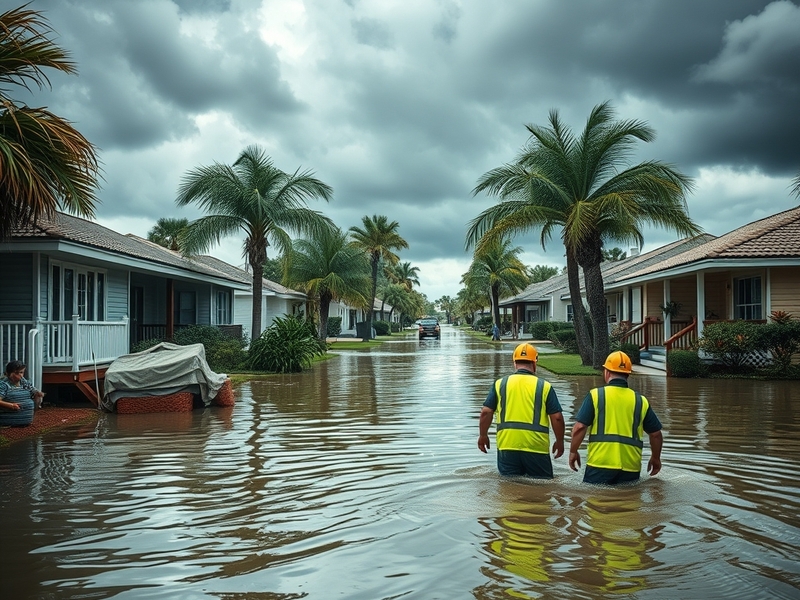
In recent years, Florida has witnessed several notable flooding events. For instance, Hurricane Ian in 2022 brought catastrophic flooding to parts of Southwest Florida. Many communities were submerged, causing extensive damage to homes and infrastructure. The aftermath of such events often highlights the need for improved flood management systems and emergency response strategies.
Additionally, localized flooding due to heavy rainfall has become more common even outside hurricane seasons. These events can disrupt daily life, leading to road closures and damage to properties. The impact is felt not only by residents but also by businesses and local economies.
Broader Implications of Flooding in Florida
The implications of flooding extend beyond immediate damage. Economically, Florida’s tourism-dependent economy can suffer significantly from flooding events. Travelers may avoid areas prone to flooding, impacting local businesses. Moreover, the cost of recovery and rebuilding can strain local and state budgets.
Environmentally, flooding can lead to water quality issues. Contaminants can enter water bodies, affecting both wildlife and human populations. Long-term flooding can also alter ecosystems, leading to changes in vegetation and animal habitats.
Furthermore, the social implications cannot be overlooked. Communities affected by flooding often face displacement, leading to long-term housing challenges. Vulnerable populations, including low-income families and the elderly, may be disproportionately affected, exacerbating existing inequalities.
Preparing for the Future
To mitigate the impacts of flooding, Florida must adopt comprehensive strategies. These strategies could include:
- Improved Infrastructure: Investing in updated drainage systems and flood barriers can help manage excess water during heavy rains.
- Community Education: Raising awareness about flood risks and preparedness can empower residents to take proactive measures.
- Environmental Conservation: Protecting wetlands and natural ecosystems can enhance the state’s ability to absorb excess water.
- Policy Revisions: Implementing stricter zoning laws and building codes can prevent construction in high-risk flood areas.
Additionally, leveraging technology for better weather forecasting and flood modeling can improve preparedness and response efforts. Collaboration between local, state, and federal agencies is essential for effective flood management.
In conclusion, Florida’s weather and flooding challenges require ongoing attention and proactive measures. As climate change continues to influence weather patterns, the state must adapt and prepare for the future. By investing in infrastructure, community education, and environmental conservation, Florida can work towards minimizing the impacts of flooding and ensuring the safety and well-being of its residents.