Understanding the Leonid Meteor Shower
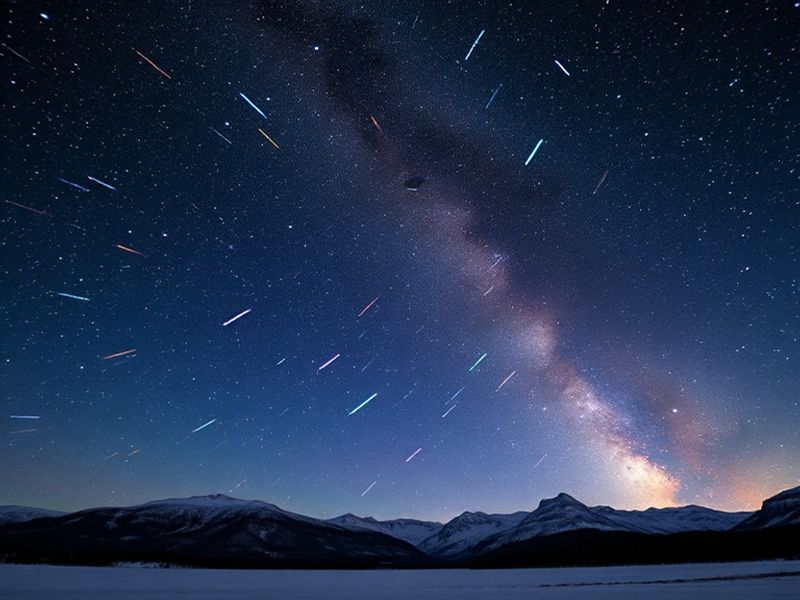
The Leonid meteor shower is an annual celestial event that captivates stargazers around the globe. Occurring every November, this meteor shower is renowned for its spectacular displays, particularly during years of high activity. The meteor shower is associated with the comet Tempel-Tuttle, which orbits the sun approximately every 33 years. As the Earth passes through the debris left by this comet, it creates a stunning spectacle of shooting stars.
History and Cultural Significance
The Leonid meteor shower has a rich history, with observations dating back to the 2nd century. Ancient civilizations often attributed these celestial events to divine interventions or omens. For instance, the Leonids peaked in 1833 and 1866, producing breathtaking displays that were interpreted as signs of significant change. In modern times, the meteor shower has become a source of inspiration for artists, poets, and scientists alike.
Different cultures have their own interpretations of meteor showers. In some Native American traditions, shooting stars are seen as the spirits of ancestors, while in other cultures, they symbolize wishes or hopes. This cultural tapestry adds depth to the experience of witnessing the Leonid meteor shower.
Viewing the Leonid Meteor Shower
To fully appreciate the Leonids, it’s essential to know when and where to look. Here are some tips for optimal viewing:
- Timing: The peak usually occurs around November 17th or 18th. However, meteors can be seen from November 6th to 30th.
- Location: Find a dark area away from city lights. Open fields or national parks are ideal.
- Preparation: Bring a blanket or reclining chair for comfort. Dress warmly, as November nights can be chilly.
- Patience: Allow your eyes to adjust to the darkness. It may take 20 minutes to see the first meteors.
During active years, observers can witness up to 100 meteors per hour, making the experience exhilarating. The meteors typically appear to radiate from the constellation Leo, hence the name. However, they can be seen streaking across the sky in various directions.
The Science Behind the Meteor Shower
The science of meteor showers is fascinating. When the Earth travels through the debris trail of a comet, tiny particles enter the atmosphere at high speeds, often exceeding 70 miles per second. As these particles burn up upon entry, they create bright streaks of light across the night sky. The Leonids are particularly known for their fast-moving meteors and bright fireballs, which can leave lasting impressions on those lucky enough to witness them.
In addition to their visual appeal, meteor showers provide valuable data for scientists. By studying the composition of meteorites, researchers can gain insights into the early solar system. This research contributes to our understanding of planetary formation and the origins of life on Earth.
Conclusion
The Leonid meteor shower is more than just a beautiful display; it embodies a blend of scientific inquiry and cultural significance. As people gather to watch the night sky light up with meteors, they connect with both the cosmos and each other. Whether you are a seasoned astronomer or a casual observer, the Leonids offer a unique opportunity to reflect on our place in the universe. So, mark your calendars for November and prepare to be awed by one of nature’s most stunning shows. For more information on astronomical events, check out our Science section.