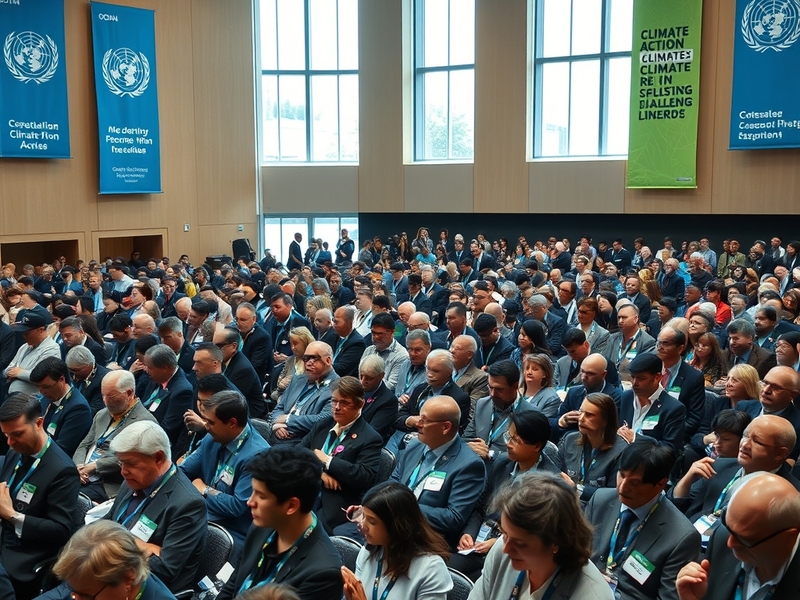
Understanding the UN Climate Talks
The UN climate talks, officially known as the Conference of the Parties (COP), serve as a critical platform for nations to come together and address the pressing issue of climate change. These discussions aim to establish agreements and frameworks to mitigate climate impacts and adapt to changes already in motion. Over the years, the COP meetings have evolved, reflecting both the increasing urgency of climate action and the complexities of international negotiations.
Key Objectives of the Climate Talks
The primary goals of the UN climate talks are multifaceted. They include:
- Setting binding targets for greenhouse gas emissions.
- Promoting sustainable development practices.
- Facilitating financial and technical support for developing nations.
- Enhancing transparency and accountability in climate actions.
Each COP meeting typically results in a set of agreements that nations commit to, which can range from voluntary pledges to legally binding treaties. The Paris Agreement, established during COP21 in 2015, is one of the most significant outcomes, aiming to limit global warming to well below 2 degrees Celsius.
Recent Developments and Challenges
The most recent climate talks have highlighted both progress and ongoing challenges. Nations have made pledges to reduce emissions, but the implementation of these commitments has been uneven. For example, some countries have set ambitious targets, while others lag behind, citing economic constraints or political opposition.
Moreover, the impact of climate change is becoming increasingly visible, leading to heightened pressure on governments to act decisively. Issues such as extreme weather events, rising sea levels, and biodiversity loss are not only environmental concerns but also economic and social challenges that require urgent attention.
The Role of Stakeholders
Various stakeholders play a crucial role in shaping the outcomes of the UN climate talks. These include:
- Governments: National representatives negotiate and set the agenda.
- NGOs: Non-governmental organizations advocate for stronger actions and represent marginalized voices.
- Businesses: Private sector involvement is essential for innovation and investment in sustainable technologies.
- Civil Society: Activists and community groups push for accountability and more ambitious targets.
The interplay between these groups can significantly influence the effectiveness of climate agreements. Grassroots movements often bring attention to local issues, while businesses can provide innovative solutions to reduce emissions.
Looking Ahead: The Future of Climate Negotiations
As we move forward, the stakes are higher than ever. The increasing frequency of climate-related disasters emphasizes the need for urgent and coordinated action. Future UN climate talks must focus on:
- Strengthening commitments and ensuring accountability.
- Enhancing collaboration between nations, especially in technology transfer.
- Addressing the needs of vulnerable populations, particularly in developing countries.
Moreover, integrating climate considerations into broader economic and social frameworks will be essential for sustainable progress. The upcoming COP meetings will serve as a litmus test for global resolve and commitment to combating climate change.
In conclusion, the UN climate talks are pivotal in the global response to climate change. They provide a necessary forum for dialogue, negotiation, and action. As the impacts of climate change continue to escalate, the importance of these talks cannot be overstated. Stakeholders must work collaboratively to ensure that commitments translate into real-world change, fostering a sustainable future for all.