Understanding the EasyJet Emergency Incident
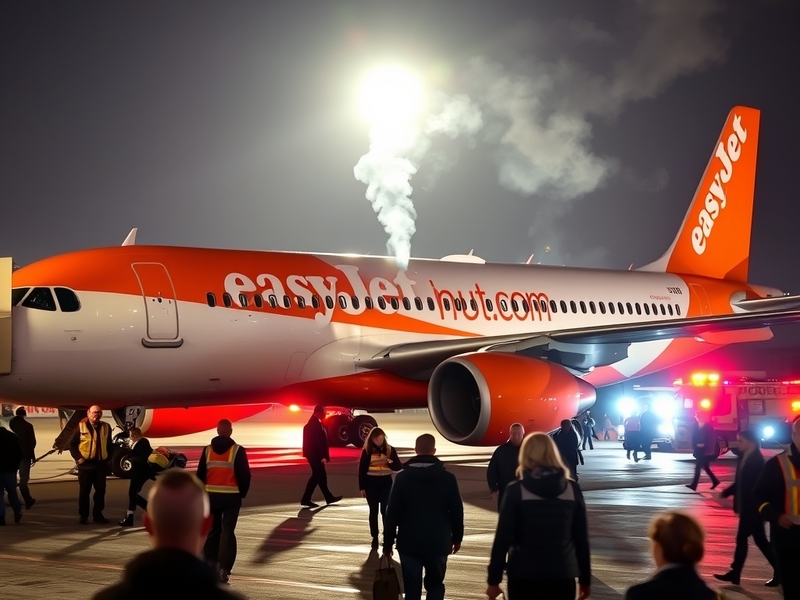
The recent emergency incident involving EasyJet has raised significant concerns regarding aviation safety and passenger protocols. As one of the leading low-cost airlines in Europe, EasyJet plays a crucial role in connecting travelers across various destinations. This incident not only highlights the importance of safety measures but also sheds light on the operational challenges faced by budget airlines.
Details of the Incident
On a routine flight, EasyJet experienced an emergency situation that required immediate attention from the crew and passengers. The flight, which was en route to its destination, encountered technical difficulties that prompted the captain to declare an emergency. Quick thinking and adherence to safety protocols ensured that the situation was managed effectively.
Passengers reported a sudden drop in altitude and an announcement from the cockpit that alerted everyone to prepare for a potential emergency landing. The crew’s professionalism was evident as they guided passengers through the necessary safety procedures.
The Response and Aftermath
Following the incident, EasyJet’s customer service team was deployed to assist affected passengers. The airline provided accommodations, food, and alternative flight arrangements for those impacted. This response is critical not only for passenger safety but also for maintaining the airline’s reputation.
In the aftermath, several key points emerged:
- Emergency protocols were followed correctly, showcasing the crew’s training.
- Passengers expressed mixed feelings, with some praising the crew’s handling of the situation while others felt anxious about flying in the future.
- EasyJet’s swift communication helped mitigate panic among passengers and their families.
Global Perspective on Aviation Safety
This incident is not isolated; it reflects broader issues within the aviation industry. Low-cost carriers often face scrutiny regarding their safety measures. While they provide affordable travel options, there is an ongoing debate about whether cost-cutting compromises safety standards.
Globally, aviation authorities emphasize rigorous training and safety protocols. Incidents like the EasyJet emergency reinforce the need for constant evaluation and improvement within airline operations. Various countries have different regulatory frameworks which can influence how airlines manage emergencies.
Conclusion
The EasyJet emergency incident serves as a critical reminder of the importance of safety in air travel. While budget airlines make flying more accessible, they must also ensure that safety standards are not compromised. The response from EasyJet illustrates the significance of having well-trained staff who can handle emergencies effectively. As passengers, it is essential to remain informed and aware of the safety measures in place, regardless of the airline.
For further insights on travel and aviation safety, check out our Travel section. Additionally, for updates on current events, visit our News page.