
Background of Iran-Kuwait Relations
The relationship between Iran and Kuwait has been characterized by a mix of cooperation and tension over the years. Geographically close yet politically distinct, the two nations have navigated complex dynamics influenced by regional conflicts, oil production, and strategic alliances. While both countries are members of the Gulf Cooperation Council (GCC), their historical grievances and differing political ideologies have often strained their relationship.
One significant event that shaped their interactions was the Iran-Iraq War, which lasted from 1980 to 1988. Kuwait’s support for Iraq during this conflict led to long-lasting resentments. Additionally, the discovery of oil reserves in both nations has fueled competition, further complicating their diplomatic ties.
Recent Attacks and Escalation of Tensions
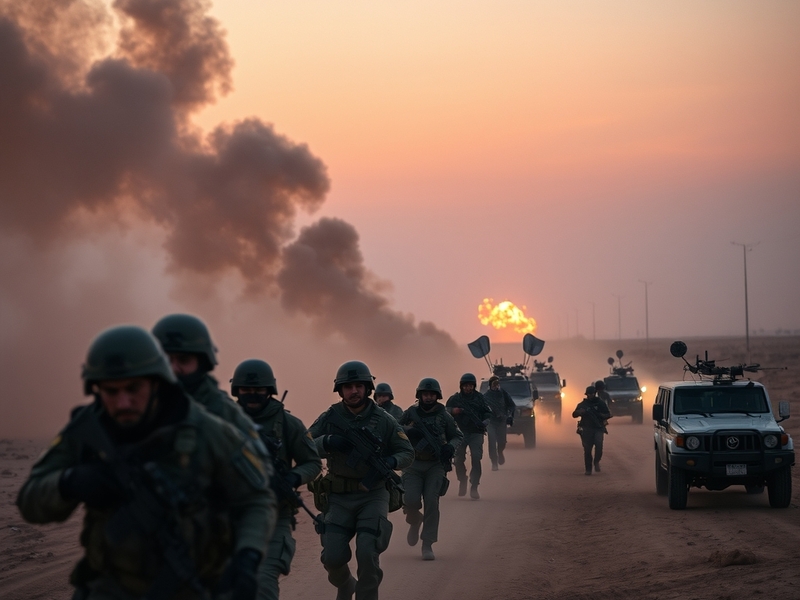
In recent months, tensions have escalated dramatically as Iran launched a series of attacks against Kuwait. These assaults have included missile strikes and cyberattacks, targeting both military and civilian infrastructure. Although Iran has denied involvement in these operations, evidence suggests that state-sponsored groups have orchestrated these actions.
The reasons behind these aggressive maneuvers are multifaceted:
- Regional Influence: Iran aims to assert its dominance in the Gulf region, viewing Kuwait as a strategic foothold.
- Political Pressure: The Iranian government faces internal challenges, and external conflicts may serve to unify the populace against perceived foreign threats.
- Support for Proxy Groups: Iran has historically backed proxy organizations in the region, which may be employed to conduct operations against Kuwait.
International Reactions
The international community has reacted with concern to the recent escalation. The United Nations Security Council convened emergency meetings to address the situation, emphasizing the need for diplomatic solutions and restraint from both sides. Major powers, including the United States and European nations, have condemned the attacks, urging Iran to cease its hostile actions.
Furthermore, Kuwait has sought to strengthen its military alliances, particularly with the United States. By enhancing defense capabilities and engaging in joint military exercises, Kuwait aims to deter further aggression from Iran. This situation has also prompted discussions about regional security frameworks, with calls for a collective defense strategy among GCC members.
The Humanitarian Impact
The ongoing conflict has had dire humanitarian consequences for the civilian population in Kuwait. With infrastructure under threat, everyday life has been disrupted. Access to essential services, such as healthcare and education, has become increasingly precarious.
In addition to physical damage, the psychological impact on the citizens cannot be understated. The fear of further attacks has led to heightened anxiety and uncertainty, affecting mental health across communities. Humanitarian organizations have begun to assess the situation, looking for ways to provide support and aid to those affected.
As the situation continues to evolve, it is crucial to consider the long-term ramifications of these attacks on both nations and the wider region. The possibility of a broader conflict looms large, which could have catastrophic effects on global oil markets and international relations.
Conclusion
The recent attacks by Iran on Kuwait highlight the fragile balance of power in the Gulf region. As both nations navigate their historical grievances and current tensions, the international community must remain vigilant. Diplomatic solutions are essential to prevent further escalation and to foster stability in a region that is already fraught with conflict.
For more insights on geopolitical events in the Middle East, visit our News and Analysis sections.