Forever Chemicals: The Uninvited Guests at the Global Party
# **Forever Chemicals: The Uninvited Guests at the Global Party**
In the grand buffet of life, we’ve all encountered that one guest who just won’t leave—you know, the one who lingers after the party, helping themselves to your snacks and making themselves at home. Well, meet the “forever chemicals,” the uninvited guests that have crashed the global party and refuse to leave. These pesky compounds, known scientifically as per- and polyfluoroalkyl substances (PFAS), are trending worldwide, and not in a good way. Let’s dive into why these chemicals are the talk of the town, their cultural impact, and why they’re a big deal.
## **What Are Forever Chemicals?**
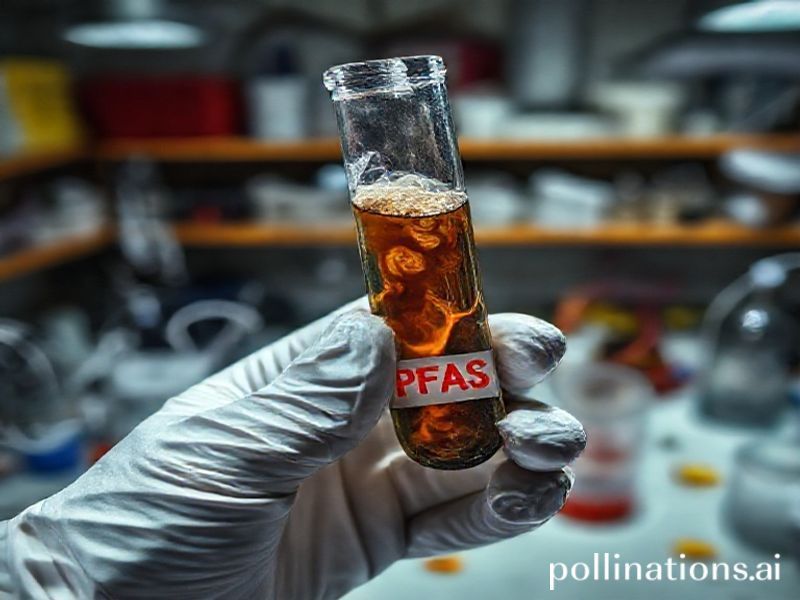
Forever chemicals are a group of man-made compounds that have been used in various industries since the 1940s. They’re called “forever” because they don’t break down naturally in the environment, sticking around for centuries. You’ll find them in non-stick cookware, water-repellent clothing, stain-resistant carpets, and even firefighting foams. Essentially, they’re the overachievers of the chemical world—too good at their job, but with a serious downside.
## **Why Are They Trending Now?**
So, why are forever chemicals suddenly the hottest topic on the internet? Well, it’s not just because they’re the ultimate party crashers. Here are a few reasons why they’re trending globally:
### **1. Health Scares and Awareness**
Forever chemicals have been linked to a range of health issues, including cancer, immune system suppression, and developmental problems in children. As more studies emerge, the public is becoming increasingly aware of the potential risks. Social media has played a significant role in spreading awareness, with hashtags like #ForeverChemicals and #PFAS trending on platforms like Twitter and Instagram.
### **2. Regulatory Actions and Bans**
Governments around the world are starting to take notice. The European Union has proposed strict regulations on PFAS, and the U.S. Environmental Protection Agency (EPA) has set new health advisory levels for certain forever chemicals in drinking water. These regulatory actions are making headlines and sparking debates about environmental protection and public health.
### **3. Environmental Contamination**
Forever chemicals have been found in water supplies, soil, and even the blood of wildlife and humans. High-profile cases of contamination, such as the water crisis in Michigan and the ongoing issues in Australia, have brought the problem to the forefront of public consciousness. Documentaries, news reports, and viral social media posts have amplified the conversation, making it a global concern.
### **4. Corporate Responsibility and Greenwashing**
As consumers become more eco-conscious, companies are under pressure to address the use of forever chemicals in their products. Some brands are taking steps to phase out PFAS, while others are facing backlash for greenwashing—claiming to be eco-friendly while still using harmful chemicals. This has led to a wave of consumer activism and calls for greater transparency.
## **Cultural Impact and Social Media Buzz**
The forever chemicals trend has sparked a wave of memes, viral challenges, and online activism. Social media users are sharing infographics about the dangers of PFAS, creating parody videos about the “forever guest” analogy, and calling out brands for their use of these chemicals. The trend has also inspired art and activism, with artists creating thought-provoking pieces that highlight the environmental impact of forever chemicals.
## **Why This Topic Is Significant**
Forever chemicals are more than just a trending topic—they’re a wake-up call. They represent the broader issue of environmental pollution and the need for sustainable practices. As awareness grows, so does the pressure on governments and corporations to take action. The forever chemicals trend is a reminder that we all have a role to play in protecting our planet and our health.
## **Conclusion**
Forever chemicals may be the uninvited guests at the global party, but they’re also a catalyst for change. As the conversation around these compounds continues to gain momentum, we can expect to see more regulatory actions, corporate accountability, and public awareness. So, let’s raise a glass (of PFAS-free water, of course) to the power of information and the collective effort to kick these party crashers to the curb.