Junior Doctors Strike: When the Healers Need Healing
# **Junior Doctors Strike: When the Healers Need Healing**
In a world where memes spread faster than the common cold, it’s no surprise that the junior doctors’ strikes have become a global trending topic. But why are people from New York to New Delhi suddenly caring about contract disputes and picket lines? Let’s dive in, shall we?
## **The Cultural Context: Doctors as Superheroes (Who Need Paychecks)**
Doctors have long been mythologized in popular culture as infallible heroes, donning scrubs instead of capes. From *Grey’s Anatomy* to *House M.D.*, we’ve been conditioned to believe that doctors are superhuman beings who thrive on coffee, adrenaline, and the sheer joy of saving lives. But here’s the plot twist: they’re humans too, and they need fair pay, reasonable working hours, and, you know, basic respect.
Junior doctors, fresh out of medical school and armed with mountains of debt, are the unsung heroes of the healthcare system. They’re the ones pulling all-nighters, dealing with bureaucratic red tape, and somehow still managing to remember your name when you’re wheeled into the ER at 3 AM. But when their contracts don’t reflect the value they bring, they’ve had enough. Enter: the strike.
## **The Social Impact: When the System Fails, Who Pays the Price?**
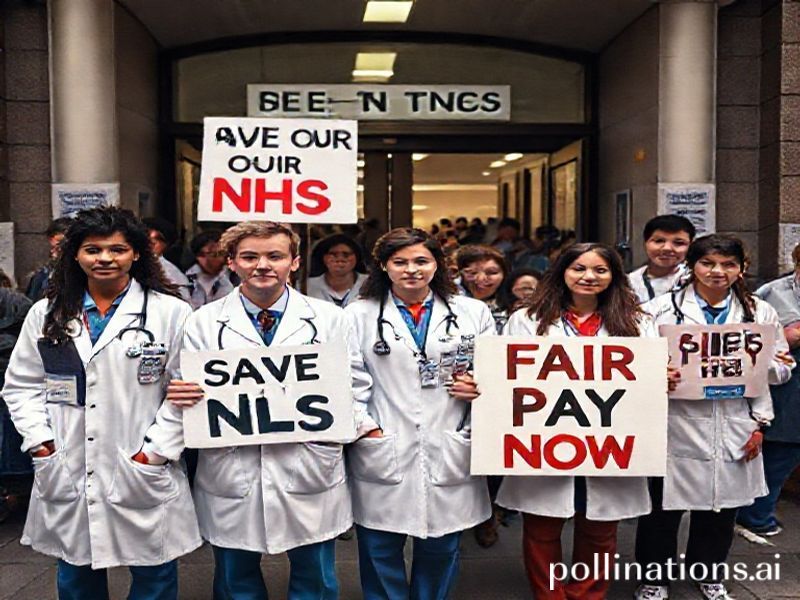
The junior doctors’ strikes aren’t just about paychecks; they’re about systemic issues in healthcare. In the UK, for example, the strikes have highlighted the strain on the National Health Service (NHS), a beloved institution that’s been underfunded for years. The strikes have sparked debates about healthcare funding, worker rights, and the moral dilemma of withholding care—even when the system is the one failing.
Social media has played a huge role in amplifying these strikes. Hashtags like #JuniorDoctorsStrike and #SaveOurNHS have gone viral, turning the issue into a global conversation. Memes, infographics, and heartfelt testimonials from doctors have humanized the struggle, making it relatable to people far beyond the picket lines.
## **Why This Topic is Significant: A Wake-Up Call for Healthcare Systems**
The junior doctors’ strikes are a wake-up call for healthcare systems worldwide. They’re a reminder that even the most dedicated professionals have limits. When the people who heal us are overworked, underpaid, and undervalued, the entire system crumbles. The strikes are a demand for change, a plea for recognition, and a call to action for policymakers to step up.
But beyond the immediate impact, these strikes are part of a larger cultural shift. They’re a reflection of a growing awareness of worker rights, mental health, and the unsustainability of burnout culture. They’re a testament to the power of collective action and the importance of speaking up when the system fails.
## **The Bottom Line: Healers Deserve Healing Too**
So, why should you care about junior doctors’ strikes? Because they’re not just about doctors—they’re about all of us. They’re about the kind of society we want to live in, where the people who save lives are treated with the dignity and respect they deserve. They’re about ensuring that when we need care, there are doctors who are well-rested, well-paid, and ready to fight for us.
In the end, the junior doctors’ strikes are a reminder that even superheroes need a break—and a fair contract.