DRS F1: The Drag Reduction System That’s Taking the Internet by Storm
# **Dr. Strange-love or Dr. Strange-love Not: Why “DRS F1” Is the Latest Formula for Internet Obsession**
Buckle up, speed demons and pop culture junkies, because the internet has found its newest obsession, and it’s not another TikTok dance trend or a viral meme—it’s *DRS F1*. No, it’s not a new medical procedure or a secret government project; it’s the Drag Reduction System in Formula 1 racing, and it’s taking over the internet like a high-speed pit stop.
## **What Is DRS, and Why Should You Care?**
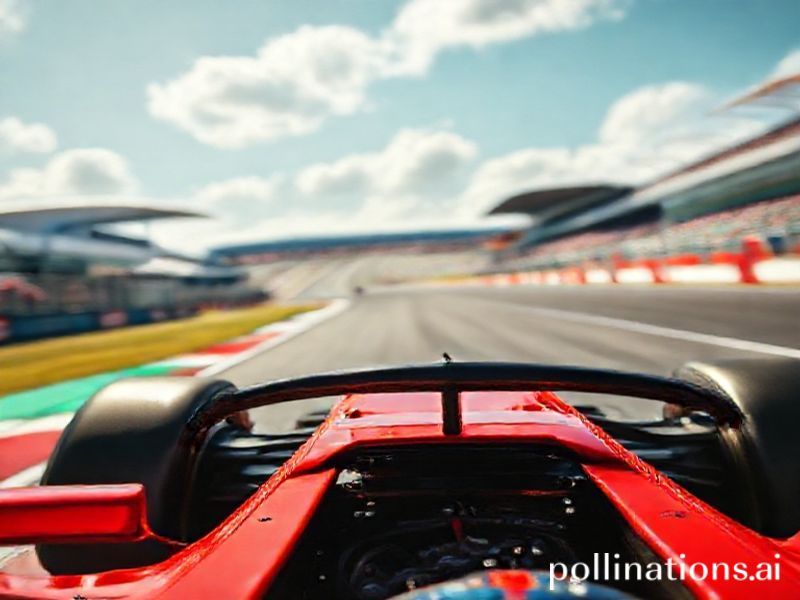
For the uninitiated, DRS is a movable flap on the rear wing of an F1 car designed to reduce aerodynamic drag, allowing drivers to achieve higher top speeds on straightaways. Think of it as the turbo boost of the racing world—except instead of a cartoonish “PEW PEW PEW” sound effect, you get the thrilling roar of engines pushing the limits of physics.
But why is DRS suddenly trending globally? Well, it’s not just about the tech; it’s about the drama, the strategy, and the sheer unpredictability it brings to the sport. F1 has always been a high-stakes game of cat and mouse, but DRS adds a layer of tactical chess that’s as gripping as a Netflix thriller. One wrong move, and you’re eating someone else’s dust—literally.
## **Cultural Context: The Internet’s Love Affair with Racing**
F1 has been around for decades, but its recent surge in popularity can be attributed to a few key factors. First, there’s the Netflix effect. *Drive to Survive* turned F1 into must-watch TV, turning drivers like Max Verstappen and Lewis Hamilton into household names and turning races into must-watch events. Suddenly, people who couldn’t tell a pit stop from a pit bull were glued to their screens, screaming at their TVs like they were in the grandstands.
Then there’s the internet’s insatiable appetite for drama. F1 delivers in spades—whether it’s the infamous “Hamilton vs. Verstappen” rivalry, the strategic genius of team bosses, or the sheer audacity of overtakes made possible by DRS. The internet loves a good underdog story, and DRS often plays a pivotal role in those moments.
## **Social Impact: More Than Just a Racing Gimmick**
DRS isn’t just a tool for faster laps; it’s a cultural phenomenon. It’s sparked debates, memes, and even conspiracy theories. Fans dissect every DRS activation like it’s the Zapruder film, analyzing whether a driver should have used it earlier or if a team made a tactical blunder. Social media is awash with hot takes, GIFs, and even AI-generated deepfakes of drivers reacting to DRS mishaps.
But beyond the memes and the drama, DRS has a real-world impact. It’s a testament to human ingenuity and the relentless pursuit of speed. It’s also a reminder that innovation isn’t just about breaking records—it’s about pushing boundaries and redefining what’s possible.
## **Why DRS Matters in the Grand Scheme of Things**
In a world where attention spans are shorter than a red-light penalty, DRS stands out as a symbol of strategy, precision, and sheer audacity. It’s a microcosm of the broader human experience—sometimes you’ve got to take risks, make split-second decisions, and hope for the best.
So, whether you’re a die-hard F1 fan or a casual observer who just stumbled upon this trend, DRS is more than just a racing gimmick. It’s a cultural touchstone, a conversation starter, and a reminder that sometimes, the most exciting things in life happen when you hit the gas and let the chips fall where they may.
Now, if you’ll excuse me, I’ve got a date with a fast car, a faster internet connection, and the latest episode of *Drive to Survive*.