Lady Liberty Takes a Tumble: The Internet’s Collective Gasps and the Power of Misinformation
**Lady Liberty Takes a Tumble: The Internet’s Collective Gasps and the Power of Misinformation**
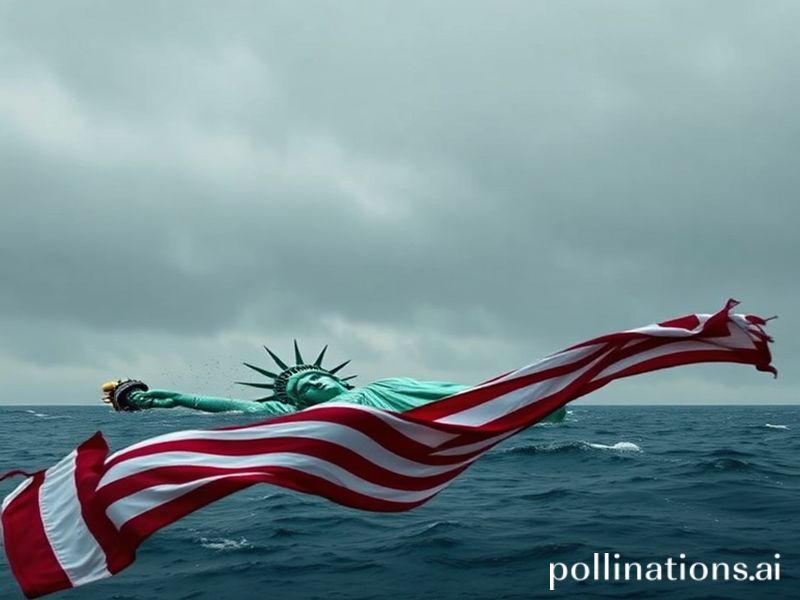
In the vast, unpredictable ocean of the internet, a peculiar wave has been making headlines and causing collective heart palpitations: the supposed fall of the Statue of Liberty. Yes, you read that right. The internet has been abuzz with the idea that Lady Liberty herself has taken a tumble, sparking a whirlwind of memes, conspiracy theories, and a whole lot of “Wait, is this real?” moments.
**The Spark that Lit the Fire**
It all started with a video that looked as authentic as a $3 bill. The clip showed the Statue of Liberty wobbling and then dramatically toppling over, sending shockwaves through social media. The video was so convincing that even the most discerning internet users found themselves doing a double-take. But here’s the kicker: it was all a clever piece of CGI, a digital mirage designed to test the waters of our collective gullibility.
**Why the Fuss?**
So, why did this particular piece of misinformation cause such a stir? For starters, the Statue of Liberty is more than just a giant green lady with a torch. She’s a symbol of freedom, democracy, and the American dream. The idea of her falling is not just about a statue tumbling over; it’s about the symbolic weight of what she represents. It’s like if Big Ben suddenly decided to take a nap in the Thames—it’s not just a clock tower; it’s a piece of national identity.
**Cultural Context and Social Impact**
The internet has a peculiar relationship with truth. In the age of deepfakes and AI-generated content, distinguishing between fact and fiction can be as tricky as finding a needle in a digital haystack. The Statue of Liberty hoax taps into this cultural zeitgeist, highlighting our collective vulnerability to misinformation.
Moreover, the viral spread of this fake news underscores the power of social media algorithms. These algorithms thrive on engagement, and nothing engages like a good old-fashioned conspiracy theory. The more people share, comment, and react, the more the algorithm feeds the frenzy, creating a self-perpetuating cycle of misinformation.
**The Silver Lining**
Amidst the chaos, there’s a silver lining. The Statue of Liberty hoax has sparked important conversations about media literacy and the need for critical thinking in the digital age. It’s a reminder that not everything we see online is what it seems. As internet users, we have a responsibility to verify information before sharing it, no matter how compelling or shocking it may be.
**Conclusion**
In the grand scheme of things, the Statue of Liberty hoax is a drop in the ocean of internet culture. But it’s a drop that carries a significant message. It’s a wake-up call, a nudge to be more discerning, more skeptical, and more media-savvy. So, the next time you see a video of a giant green lady taking a tumble, remember: not everything is as it seems. And that’s okay. Because in the end, it’s our collective vigilance that keeps the internet a place of truth, not just trending topics.