Next Day Delivery: The Fast Lane to Instant Gratification (And Our Doomsday?)
# **Next Day Delivery: The Fast Lane to Instant Gratification (And Our Doomsday?)**
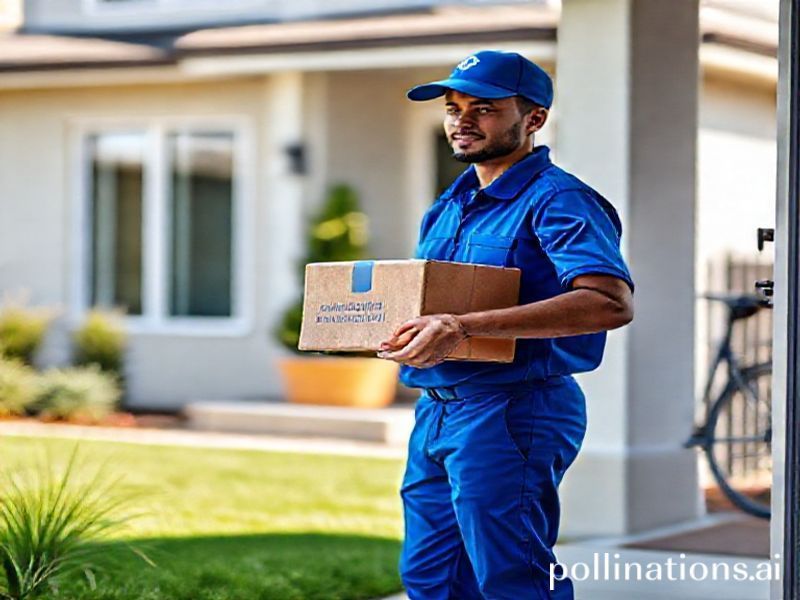
In the age of memes, viral trends, and TikTok dances, there’s one global phenomenon that’s been quietly reshaping our lives: **next day delivery**. Yes, folks, the days of waiting weeks for your online order are as dead as dial-up internet. Today, if you don’t get your package by tomorrow, you might as well start a petition.
### **Why Is Next Day Delivery Trending Globally?**
The rise of next day delivery isn’t just about convenience—it’s about **cultural evolution**. We live in a world where patience is a virtue that’s gone the way of the dodo. Thanks to the likes of Amazon, Alibaba, and local giants like Flipkart and JD.com, we’ve been conditioned to expect our purchases to arrive faster than a pizza on a Friday night.
But why now? Why has this trend exploded globally?
1. **The Amazon Effect**: Amazon didn’t just popularize next day delivery—it weaponized it. With Prime memberships offering lightning-fast shipping, other retailers had to step up or get left in the dust. Suddenly, everyone from Walmart to your local bookstore had to rethink their logistics.
2. **E-Commerce Boom**: The pandemic didn’t just give us Zoom meetings and sourdough starters—it also turbocharged online shopping. With brick-and-mortar stores closed, consumers flocked to e-commerce, and retailers responded by speeding up delivery times to keep up with demand.
3. **Social Media & Instant Gratification**: In a world where we can watch a cat video, share it, and get 1,000 likes in under a minute, waiting for a package feels like an eternity. Social media has conditioned us to expect everything—**now**. If your friends can see your new outfit in real-time, why should your package take a week?
### **Cultural Context: The Need for Speed**
Next day delivery isn’t just a logistical marvel—it’s a cultural shift. It reflects our growing impatience and desire for instant gratification. We’ve gone from writing letters to sending emails, from dial-up to 5G, and now from “wait a week” to “have it tomorrow.”
But here’s the kicker: **this trend isn’t just about shopping**. It’s about how we perceive time, value, and convenience. In a world where everything moves at lightning speed, waiting for a package feels like a relic of the past.
### **Social Impact: The Good, The Bad, and The Ugly**
Like any trend, next day delivery has its pros and cons.
**The Good:**
– **Convenience**: No more waiting. Need a last-minute gift? No problem. Forgot an ingredient for dinner? It’s on its way.
– **Economic Boost**: The logistics industry is booming, creating jobs and driving innovation in supply chain management.
– **Small Business Support**: Platforms like Etsy and Shopify now offer expedited shipping, helping small businesses compete with giants.
**The Bad:**
– **Environmental Impact**: More deliveries mean more trucks, more emissions, and more packaging waste. Our planet isn’t loving this trend.
– **Consumer Expectations**: We’re becoming a society of instant gratification junkies. What’s next—drones delivering our coffee before we even wake up?
– **Worker Exploitation**: The pressure to deliver faster often leads to grueling working conditions for delivery drivers and warehouse staff.
### **What Makes This Topic Significant?**
Next day delivery is more than just a trend—it’s a **cultural milestone**. It reflects our collective impatience, our reliance on technology, and our evolving relationship with time and convenience. It’s also a reminder that while speed is great, we shouldn’t sacrifice sustainability or human well-being for the sake of a faster delivery.
So, the next time you click “order now” and expect it tomorrow, take a moment to appreciate the logistics magic behind it—and maybe consider whether you really need that new gadget **that badly**.
—