Al Hilal: The Lunar Phenomenon That’s Got the World Moonstruck
**Al Hilal: The Lunar Phenomenon That’s Got the World Buzzing**
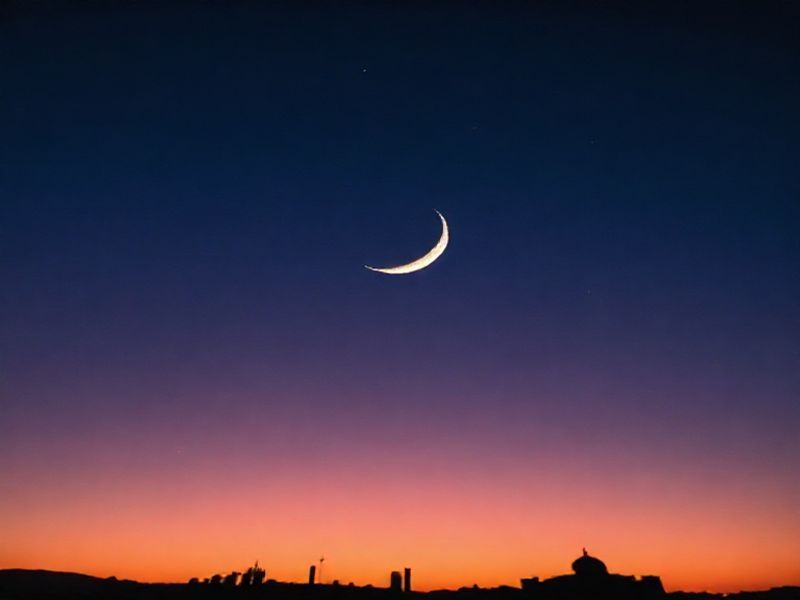
Buckle up, folks, because we’re about to dive into a celestial trend that’s got the internet spinning faster than a disco ball at a ’70s rave. That’s right, we’re talking about *Al Hilal*, the sighting of the new moon that marks the beginning of a new month in the Islamic lunar calendar. Yes, you read that right—moon-gazing is the new black.
**Why’s Everyone Talking About It?**
Al Hilal has been trending globally, and for good reason. It’s not just about spotting a sliver of moon; it’s about community, tradition, and a dash of friendly competition. Every month, as the lunar cycle resets, Muslims around the world don their best Sherlock Holmes hats and head outside to catch a glimpse of Al Hilal. It’s like a real-life game of “I Spy,” but with more stakes and fewer childhood tantrums.
The sighting of Al Hilal is crucial because it determines the start of Islamic months, including Ramadan, Shawwal (which ends the fast), and Dhul-Hijjah (the month of Hajj). Missing it means missing out on the party—literally. Imagine telling your friends you’ll meet them at the Eid celebration, only to realize you’re a month early. Awkward.
**Cultural Context: More Than Just a Moon**
Al Hilal isn’t just a celestial event; it’s a cultural touchstone. It’s a time for families to come together, for communities to bond, and for astronomers to flex their moon-spotting muscles. The tradition dates back to the time of Prophet Muhammad (PBUH), who encouraged his followers to observe the moon and mark the beginning of the new month accordingly.
But here’s where it gets interesting: the sighting of Al Hilal isn’t always straightforward. Different regions have different rules, and different scholars have different opinions. Some rely on actual sightings, while others use calculations. It’s like the ultimate debate: Team Moon-Sighting vs. Team Moon-Math. Spoiler alert: both teams are passionate, and neither is backing down.
**Social Impact: A Global Connection**
Al Hilal has a unique way of bringing people together. It’s a reminder that, despite our differences, we’re all looking up at the same sky. Social media has amplified this connection, with hashtags like #AlHilal and #MoonSighting trending worldwide. People share photos, videos, and even memes about their moon-spotting adventures, creating a global community of lunar enthusiasts.
But it’s not all fun and games. The sighting of Al Hilal can also have practical implications, like determining the start and end of Ramadan. For Muslims, this is a big deal. It’s like waiting for the first day of summer, but with more fasting and less barbecue.
**Why Should You Care?**
You might be thinking, “Why should I care about Al Hilal? I’m not even Muslim.” Well, let me tell you, friend, Al Hilal is more than just a religious event. It’s a cultural phenomenon that transcends borders and beliefs. It’s a reminder that we’re all part of something bigger—a global community that looks up at the same sky and wonders.
Plus, let’s be real: moon-gazing is a great excuse to get outside, away from your screens, and enjoy some fresh air. It’s like a mini-adventure, minus the hiking boots and questionable camping food.
**Conclusion: Keep Your Eyes on the Sky**
So, there you have it—the lowdown on Al Hilal, the lunar phenomenon that’s got the world talking. Whether you’re a seasoned moon-spotter or a curious newcomer, there’s something magical about looking up at the night sky and knowing that you’re part of a global tradition.
So, next time you see a sliver of moon, take a moment to appreciate the cultural significance, the social impact, and the sheer awesomeness of our celestial neighbor. And who knows? You might just start a trend of your own.
—