Predators vs. Wild: Why the Internet Can’t Get Enough of Nature’s Reality Show
**Predators vs. Wild: When Nature’s Reality Show Comes to Your Backyard**
Alright, folks, gather ’round the digital campfire. We’re diving into the wild, wild world of “Predators vs. Wild,” the trend that’s got the internet buzzing louder than a hive of disturbed bees. From TikTok to Twitter, this topic has sparked a global conversation, blending nature’s raw drama with our collective fascination for the untamed. So, grab your popcorn—because Mother Nature’s about to put on a show.
**What’s the Buzz About?**
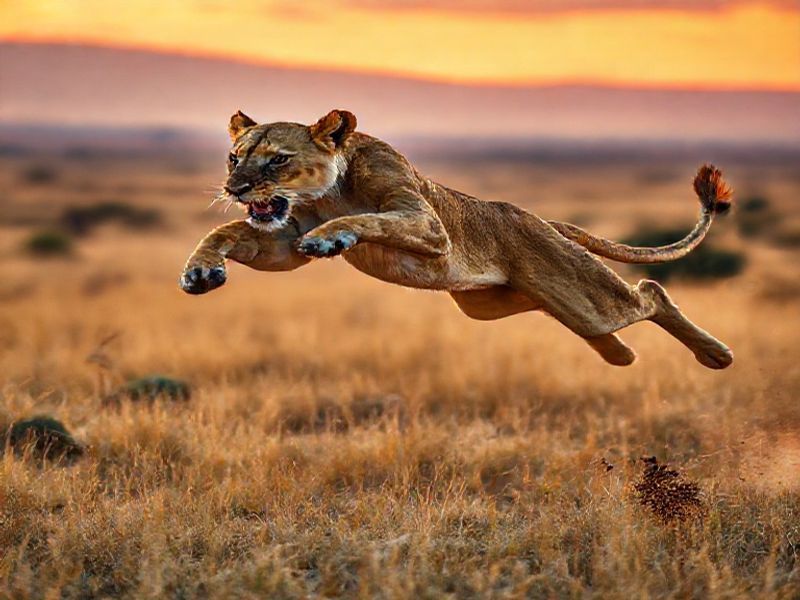
“Predators vs. Wild” is trending globally, thanks to a surge of viral videos capturing intense, real-life encounters between apex predators and their prey—or sometimes, unsuspecting humans. Think of it as *Planet Earth* meets *America’s Funniest Home Videos*, but with way more teeth and claws. The trend has taken off because it taps into our primal curiosity about the natural world, offering a front-row seat to nature’s most dramatic moments.
**Cultural Context: From Fear to Fascination**
Historically, humans have had a complicated relationship with predators. We’ve feared them, hunted them, and even worshipped them as symbols of power and resilience. But in today’s digital age, our fear has morphed into fascination. Thanks to social media, we can witness these encounters from the safety of our screens, turning predators into unlikely celebrities.
Take, for example, the viral videos of bears raiding campsites or cougars stalking backyard chickens. These clips aren’t just entertaining—they’re a reminder that, despite our urban sprawl, we’re still sharing this planet with creatures far wilder than us. And let’s be honest, there’s something thrilling about watching a predator in action, especially when it’s not trying to eat *us*.
**Social Impact: Education and Advocacy**
Beyond the entertainment value, “Predators vs. Wild” has sparked important conversations about conservation, wildlife management, and human-wildlife coexistence. As more people share and discuss these videos, awareness grows about the challenges predators face in a human-dominated world.
For instance, the trend has highlighted the plight of species like wolves and big cats, which often face persecution due to misinformation and fear. By showcasing their natural behaviors, these videos help debunk myths and foster empathy. They remind us that predators aren’t just villains in a fairy tale—they’re essential to healthy ecosystems.
**Why It Matters**
So, why should you care about this trend? Well, for starters, it’s a reminder that nature is always just a backyard—or a poorly secured trash can—away. It’s a call to respect the wild and recognize our role in preserving it. Plus, let’s face it: watching a bear outsmart a camper or a fox steal a sandwich is pure, unadulterated joy.
But perhaps the most significant aspect of “Predators vs. Wild” is its ability to unite us. In a world divided by politics, borders, and internet trolls, we can all agree on one thing: nature is freaking awesome. And when we laugh, gasp, or cheer together over a viral wildlife clip, we’re reminded of our shared humanity—and our shared planet.
**Conclusion: The Show Must Go On**
As the “Predators vs. Wild” trend continues to captivate global audiences, it’s clear that our love for nature’s drama isn’t going anywhere. So, keep sharing those videos, keep learning, and keep advocating for the wild. After all, in the grand theater of life, predators and humans are just two actors in an endless, awe-inspiring production.
And remember, folks: if you ever find yourself face-to-face with a predator, maybe don’t film it. Just run. Very, very fast.