The Great Game of Thrones: Who Is the Secret Traitor? (And Why We’re All Obsessed)
# The Great Game of Thrones: Who Is the Secret Traitor? (And Why We’re All Obsessed)
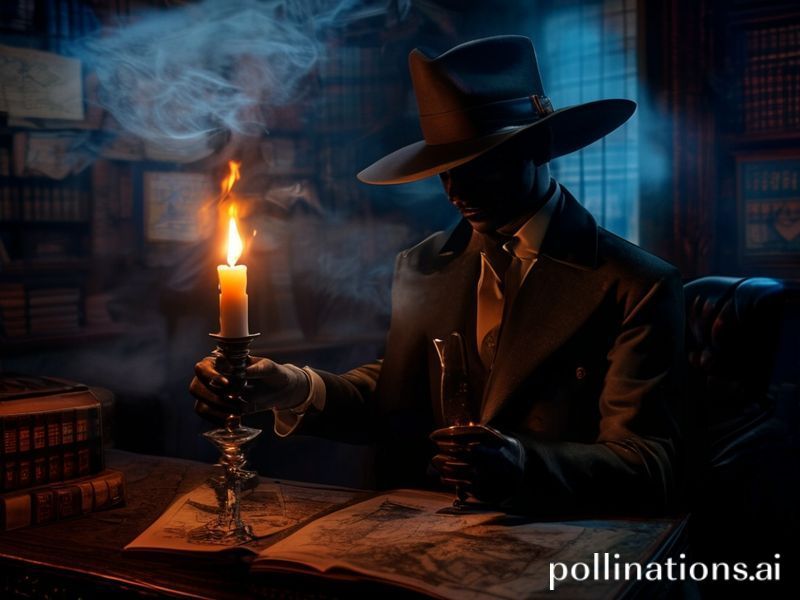
In a world where reality TV meets geopolitical drama, we find ourselves collectively hunched over our screens, whispering the same question that’s been echoing through the halls of power and the depths of the internet: *Who is the secret traitor?* This isn’t just a question for the next episode of your favorite spy thriller; it’s a global phenomenon that’s got everyone from world leaders to meme lords on the edge of their seats.
## The Cultural Context: A Game of Shadows
The idea of a secret traitor isn’t new. It’s a trope as old as storytelling itself, from the betrayal of Judas Iscariot to the twist endings of Shakespearean tragedies. But in the digital age, this narrative has taken on a life of its own. Thanks to the 24-hour news cycle and the viral nature of social media, we’re constantly fed a diet of intrigue, conspiracy, and drama.
The current fascination with the secret traitor can be traced back to several high-profile events. From the Mueller investigation to the ongoing drama in the UK Parliament, real-life events have provided ample fodder for our collective imagination. But it’s not just politics that’s fueling this obsession. Reality TV shows like *Big Brother* and *Survivor* have turned betrayal into prime-time entertainment, while video games like *Among Us* have made the hunt for the imposter a global pastime.
## The Social Impact: We’re All Detectives Now
The rise of the secret traitor narrative has had a profound impact on society. For one, it’s turned us all into amateur sleuths. We’re constantly analyzing, speculating, and theorizing, armed with nothing but our smartphones and a healthy dose of paranoia. This has given rise to a new breed of internet detective, armed with nothing but a keen eye and a Twitter account.
But it’s not all fun and games. The constant drumbeat of betrayal and intrigue has also fueled a sense of cynicism and distrust. We’re more likely to question motives, doubt intentions, and see conspiracy where there is none. This has real-world consequences, from the spread of misinformation to the erosion of trust in institutions.
## Why It Matters: The Psychology of Betrayal
So why are we so obsessed with the secret traitor? Psychologists point to several factors. For one, the idea of betrayal taps into our primal fears. We’re hardwired to be wary of those who might do us harm, and the secret traitor is the ultimate embodiment of that fear.
But it’s not all doom and gloom. The secret traitor narrative also offers a sense of catharsis. In a world that often feels chaotic and unpredictable, the hunt for the traitor provides a sense of order and control. It’s a puzzle to be solved, a mystery to be unraveled.
## The Future of the Secret Traitor
So what’s next for the secret traitor narrative? As long as there’s drama, intrigue, and a willing audience, it’s not going anywhere. In fact, it’s likely to become even more prevalent as technology continues to evolve. From deepfakes to AI-generated misinformation, the tools of the traitor are becoming more sophisticated, and the line between fact and fiction is becoming increasingly blurred.
But perhaps the most exciting development is the way the secret traitor narrative is being embraced by popular culture. From TV shows to video games, the hunt for the traitor is becoming a global pastime. And as long as we’re entertained, informed, and engaged, the secret traitor will continue to hold a mirror up to our society, reflecting our fears, our hopes, and our collective obsession with the thrill of the chase.
—