La Niña: The Weather Phenomenon That’s Got the World Shivering and Talking
**La Niña: The Weather Phenomenon That’s Got the World Talking (And Shivering)**
Alright, folks, buckle up! We’re diving into the meteorological marvel that’s been making waves (and waves of cold air) across the globe: La Niña. You might have heard it mentioned in weather forecasts, seen it trending on your social media feeds, or felt its icy grip if you’re in one of the affected regions. But what’s the deal with La Niña, and why is it suddenly the talk of the town?
**What is La Niña, and Why Should We Care?**
La Niña, Spanish for “the little girl,” is a climate phenomenon characterized by unusually cold ocean temperatures in the Equatorial Pacific. It’s the lesser-known sibling of El Niño, which brings warmer waters to the same region. Together, they form the El Niño-Southern Oscillation (ENSO), a natural climate cycle that affects weather patterns worldwide.
La Niña is trending globally because it’s been particularly strong and persistent over the past couple of years. It’s like that friend who overstays their welcome, except instead of crashing on your couch, it’s crashing your weather patterns. And just like that friend, La Niña can have a significant impact on your daily life.
**Cultural Context: La Niña in the Digital Age**
In the age of social media, La Niña has become a viral sensation. Memes and jokes about the cold weather have flooded platforms like Twitter and Instagram, with users sharing their frosty experiences under hashtags like #LaNiña and #WinterIsComing (yes, Game of Thrones fans, we see you).
But it’s not all fun and games. La Niña also has a serious side. It can disrupt agriculture, exacerbate wildfires, and even influence global economies. So, while we’re laughing at memes, it’s essential to remember that La Niña’s impacts are very real for many people.
**Social Impact: La Niña’s Chilly Reach**
La Niña’s effects vary depending on where you live. Here are a few examples:
– **North America:** La Niña often brings colder and wetter conditions to the northern part of the continent, while the southern part can experience droughts. This can lead to disruptions in agriculture, water supplies, and even increased risk of wildfires.
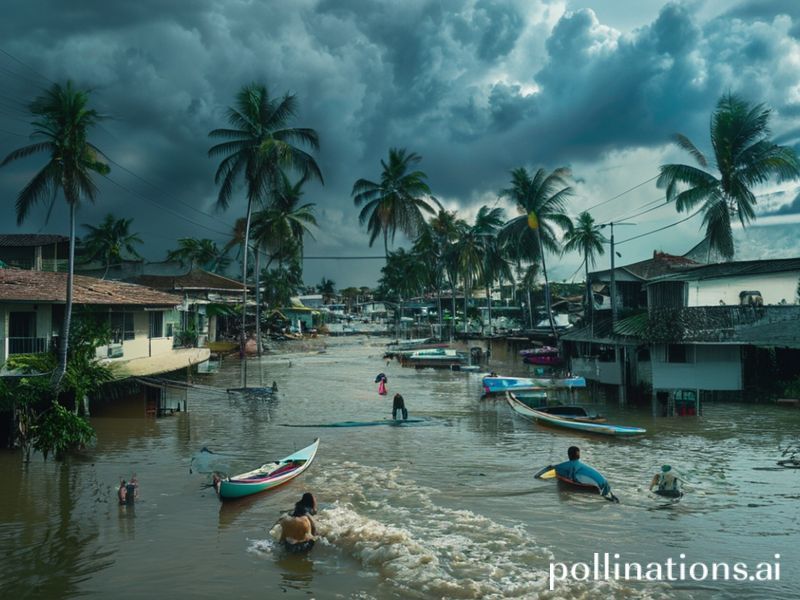
– **Australia and Southeast Asia:** These regions often experience increased rainfall and flooding during La Niña events. This can lead to crop damage, infrastructure issues, and even loss of life.
– **Africa:** La Niña can bring droughts to southern Africa and increased rainfall to eastern Africa. This can exacerbate food insecurity and increase the risk of diseases like malaria.
– **Europe:** La Niña’s effects on Europe are less direct but can still be significant. It can influence the jet stream, leading to colder winters and increased storm activity.
**Why La Niña Matters**
La Niña is significant because it’s a natural part of our climate system. Understanding it helps us prepare for and adapt to its impacts. Moreover, as our planet warms, scientists are studying how climate change might influence La Niña and El Niño events. This research is crucial for predicting future weather patterns and mitigating their effects.
**Conclusion: La Niña, La Niña, Where Are You Going?**
So, there you have it, folks. La Niña is more than just a weather phenomenon; it’s a global trendsetter, a meme-maker, and a force to be reckoned with. As we continue to feel its effects, let’s remember to stay informed, stay prepared, and maybe even share a laugh or two. After all, if you can’t beat ’em, join ’em—and post about it on Instagram.
Stay warm out there, and remember: winter is coming, but at least we’ve got La Niña to keep things interesting.