Sky High Dreams: Why the World’s Tallest Buildings Are Breaking the Internet (and the Sky)
# Sky High Dreams: Why the World’s Tallest Buildings Are Breaking the Internet (and the Sky)
In a world where we’re all trying to get a little bit higher—whether it’s in our careers, our social media feeds, or our avocado toast towers—the obsession with the world’s tallest buildings is reaching new heights. Literally. From Dubai to Shanghai, cities are in a friendly (or not-so-friendly) competition to see who can stick the tallest needle in the sky. But why is this trend dominating global conversations? Let’s dive in, because this is one race where the view from the top is everything.
## The Need for Height: A Cultural Phenomenon
The quest for the tallest building is more than just a architectural flex—it’s a cultural statement. In many cultures, height symbolizes power, ambition, and progress. Think of the ancient pyramids, the Eiffel Tower, or the Empire State Building. These structures weren’t just buildings; they were monuments to human achievement and national pride.
Today, the race to the sky is a modern-day expression of the same sentiment. Countries and cities are using skyscrapers as billboards for their economic prowess and technological advancements. It’s like the digital age’s version of “mine is bigger than yours,” but with more steel and glass.
## The Social Impact: More Than Just a Pretty Skyline
The social impact of these towering giants is as significant as their height. They create jobs, boost tourism, and become iconic landmarks that define cities. But they also raise questions about urban planning, sustainability, and social equity.
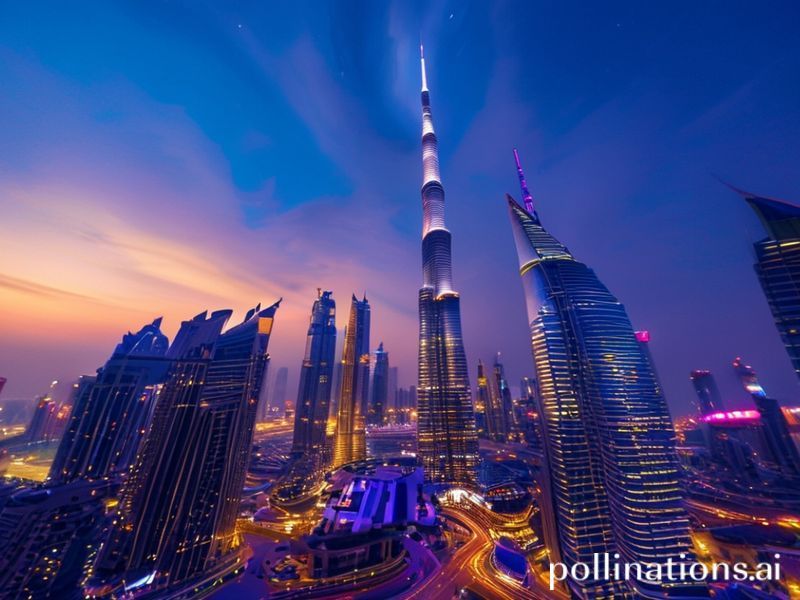
For instance, the Burj Khalifa in Dubai is not just a building; it’s a symbol of the city’s rapid transformation and economic ambition. It attracts millions of tourists, generates billions in revenue, and puts Dubai on the global map. But it also sparks debates about the cost of such projects and the resources they consume.
Similarly, the Shanghai Tower, the second-tallest building in the world, is a testament to China’s rapid urbanization and technological advancements. It’s a green building, featuring wind turbines and rainwater recycling systems, which is a big deal in a country grappling with environmental challenges.
## The Significance: Why We Can’t Look Away
The fascination with the world’s tallest buildings is a reflection of our collective desire to push boundaries and reach new heights—both literally and metaphorically. It’s a reminder that human ambition knows no limits, and that we’re always striving to build something bigger, better, and taller.
But it’s also a cautionary tale about the consequences of unchecked ambition. The race to the sky can lead to environmental degradation, social inequality, and economic instability. It’s a delicate balance between progress and responsibility, and one that we’re all watching closely.
## Conclusion: The View from the Top
In the end, the world’s tallest buildings are more than just structures; they’re symbols of our collective dreams, aspirations, and anxieties. They represent our desire to reach for the stars, but also our fear of falling. They’re a testament to human ingenuity, but also a reminder of our limitations.
So, as we continue to watch the race to the sky unfold, let’s remember that the view from the top is only as good as the foundation it’s built on. And that foundation is not just made of steel and concrete, but of people, communities, and the planet we call home.
—