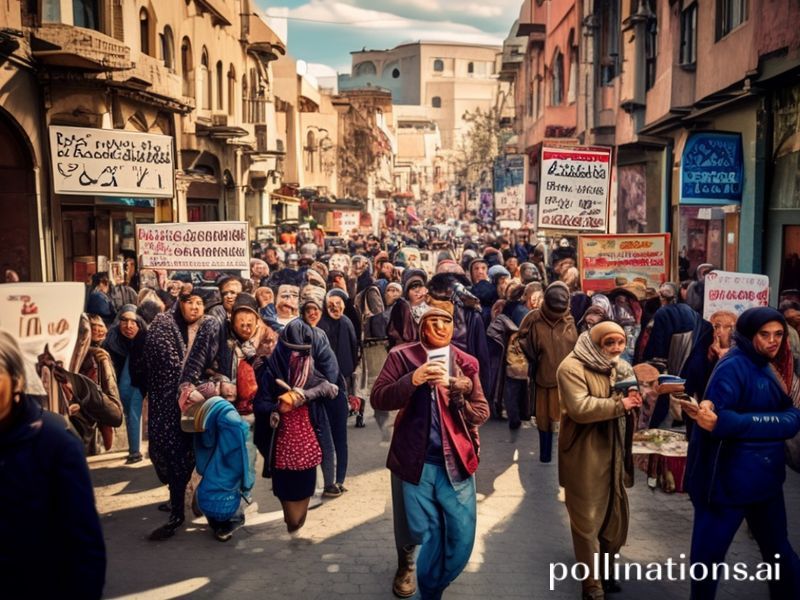
Iran Unfiltered: The Digital Revolution You Need to Know About
# **Iran Unfiltered: Why the World is Glued to Tehran’s Digital Revolution**
If you’ve been online recently, you’ve probably seen the hashtags, the memes, and the viral videos coming out of Iran. But what’s really happening, and why is the world suddenly so invested in Iran’s internet drama? Let’s break it down, because this isn’t just another trending topic—it’s a digital revolution with real-world stakes.
### **The Spark: Internet Freedom vs. Government Control**
Iran has been making headlines for its ongoing struggle between internet freedom and government control. The country has one of the most restrictive internet environments in the world, with heavy censorship and surveillance. But in recent months, Iranians have been finding creative ways to bypass these restrictions, leading to a surge in online activism and digital defiance.
The most notable example is the rise of **virtual private networks (VPNs)**. Iranians are using VPNs to access blocked websites, share uncensored news, and connect with the global community. This digital rebellion has caught the attention of the world, turning Iran into a hotspot for tech-savvy activists and internet freedom advocates.
### **Cultural Context: A Nation Hungry for Connection**
To understand why this is such a big deal, you need to know a bit about Iran’s cultural landscape. Iran is a young country, with over 60% of its population under the age of 30. These young people are tech-savvy, socially conscious, and hungry for connection. They grew up in a world where the internet is a lifeline, and they’re not about to let their government cut them off.
The Iranian government, on the other hand, has long viewed the internet as a threat. It has imposed strict controls, blocking social media platforms like Facebook, Twitter, and Instagram, and even shutting down the internet entirely during times of unrest. But as we’ve seen in other countries, the more the government tries to control the internet, the more people find ways to circumvent those controls.
### **Social Impact: The Power of Digital Defiance**
The social impact of this digital rebellion cannot be overstated. By using VPNs and other tools to access the open internet, Iranians are not just breaking free from censorship—they’re building a parallel digital society. They’re sharing news, organizing protests, and even creating their own memes and viral content to challenge the government’s narrative.
This digital defiance has also had a ripple effect on global internet culture. The world is watching Iran, and what happens there could set a precedent for other countries facing similar struggles. If Iranians can successfully bypass government censorship and build a thriving online community, it could inspire similar movements in other parts of the world.
### **Why This Matters: A Global Battle for Internet Freedom**
At its core, this is a story about the power of the internet to connect people and challenge authority. It’s a reminder that the internet is not just a tool—it’s a battleground, and the stakes are high. What’s happening in Iran is a microcosm of a larger global struggle for internet freedom, and the outcome could have far-reaching implications.
For internet culture enthusiasts, this is a fascinating case study in digital activism. It’s a testament to the ingenuity and resilience of people who refuse to be silenced. And for anyone who cares about freedom of expression, it’s a reminder that the fight for a free and open internet is far from over.
### **Conclusion: The Digital Revolution Continues**
So, why is the world so invested in Iran’s internet drama? Because it’s not just about Iran—it’s about all of us. It’s about the power of the internet to connect, to challenge, and to change the world. And as long as there are people willing to fight for that power, the digital revolution will continue.
Stay tuned, because this story is far from over. And who knows? Maybe the next big thing in internet culture will come from a VPN in Tehran.