His and Hers Books: The Literary Divide That’s Sparking Global Debates
# “His and Hers Books”: The Literary Divide That’s Sparking Global Debates
In a world where we’re constantly striving for equality, it seems even our bookshelves aren’t safe from the gender binary. The trend of “his and hers books” has taken the internet by storm, sparking debates, memes, and a whole lot of eye-rolling. But what’s the deal with this literary divide, and why is it suddenly everywhere?
## The Trend That’s Got Us Talking
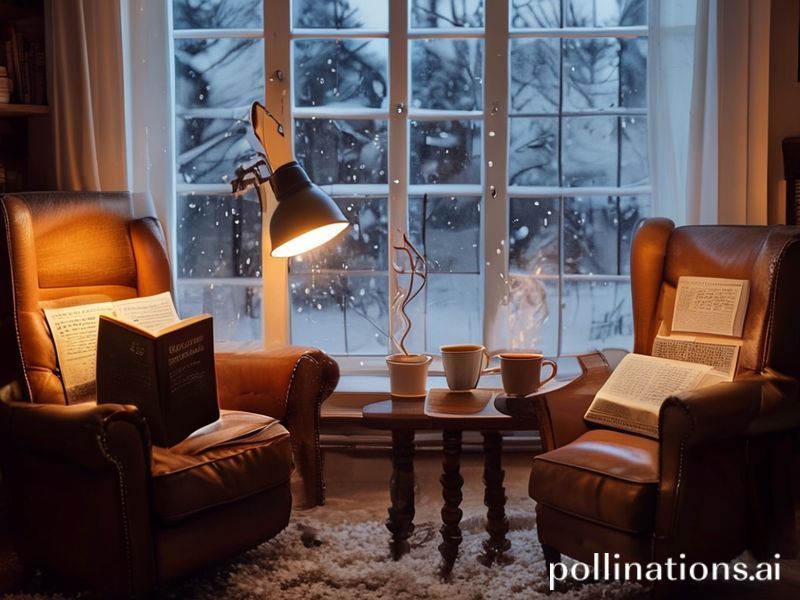
The “his and hers books” trend started gaining traction when people began noticing the stark differences between books marketed to men and women. On one side, you’ve got the “his” books: thick, dense tomes with titles like “Infinite Jest” and “War and Peace.” These are the books that make you feel intellectually superior just by owning them, let alone reading them.
On the other side, we have the “hers” books: lighter, often romance or chick-lit novels with pastel covers and titles that make you want to sip wine and daydream about love. Think “The Notebook” or “Bridget Jones’s Diary.” These books are often dismissed as “fluff” or “guilty pleasures,” as if enjoying a good love story is something to be ashamed of.
## Cultural Context: The Gendered Reading Gap
This trend highlights a long-standing issue in literature and publishing: the gendered reading gap. Studies have shown that women are more likely to read books by both male and female authors, while men are more likely to stick to male authors. This isn’t just a matter of preference; it’s a symptom of a larger cultural issue.
For years, literature has been dominated by male voices, with women’s writing often relegated to “women’s fiction” or romance genres. This has created a cycle where men feel less inclined to read books by women, further marginalizing female authors.
## Social Impact: Breaking Down Barriers
The “his and hers books” trend is more than just a fun internet meme. It’s a conversation starter that’s encouraging people to challenge these gender norms. By highlighting the absurdity of the divide, we’re pushing back against the idea that certain books are “for” men or women.
This trend is also sparking important discussions about representation in literature. If men aren’t reading books by women, how can we expect to see progress in gender equality? By breaking down these barriers, we’re opening up the literary world to a wider range of voices and perspectives.
## Why It’s Significant
The significance of this trend lies in its ability to spark meaningful conversations about gender, literature, and culture. It’s a reminder that even in 2023, we still have a long way to go in achieving true equality.
Moreover, the trend is a testament to the power of internet culture. What started as a simple observation has turned into a global discussion, thanks to the viral nature of social media. It’s a reminder that the internet can be a force for good, bringing people together to challenge norms and push for change.
## Conclusion: Let’s Read Beyond the Binary
So, the next time you’re browsing the bookshelves, consider picking up a book that doesn’t fit the “his and hers” mold. Read a book by a woman if you’re a man, or dive into a dense classic if you’re a woman. Let’s break down these barriers and embrace the diversity of literature.
After all, books are meant to broaden our horizons, not limit them. So, let’s read beyond the binary and open up our minds to new perspectives. And who knows? You might just find your new favorite book outside of your usual “his and hers” comfort zone.