Visa Drama: Why the U.S. State Department’s Stamp of Approval (or Denial) Has the World Glued to Their Screens
# **Visa Drama: Why the State Department’s Stamp of Approval (or Denial) Has the World Glued to Their Screens**
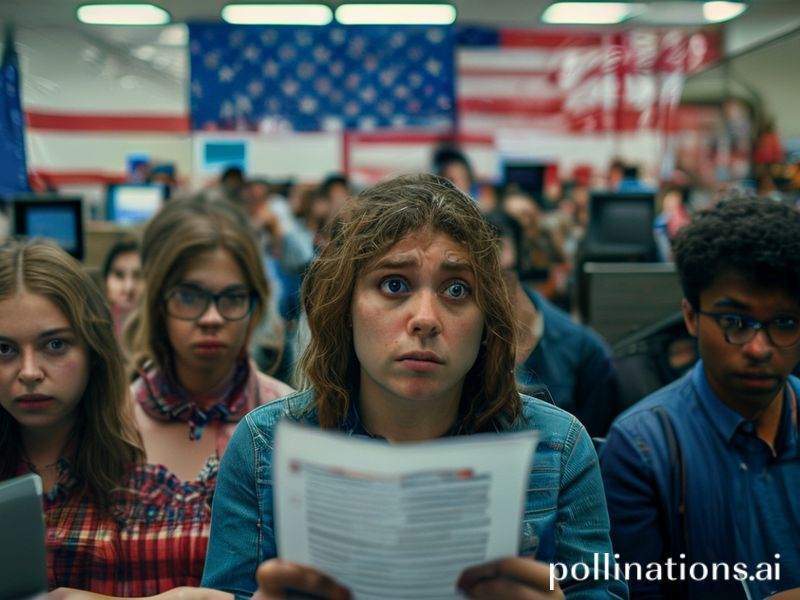
In the grand theater of global affairs, few things spark as much drama, intrigue, and collective eye-rolling as the U.S. State Department’s visa policies. Whether it’s celebrities, politicians, or everyday folks trying to cross borders, the visa process has become a hot topic that’s got the world talking—and meme-ing. But why is this bureaucratic dance suddenly trending? Let’s dive in.
### **The Cultural Context: More Than Just Paperwork**
The U.S. visa process has long been a source of fascination and frustration. It’s the ultimate gatekeeper, deciding who gets to enter the land of opportunity and who gets stuck in limbo. But why is it trending now? A few factors:
1. **Celebrity Shenanigans**: When high-profile figures like Kim Kardashian or Kanye West (or should we say Ye?) get involved in visa drama, the internet loses its mind. Whether it’s rumors of denied visas or last-minute approvals, celebrity visa stories are like reality TV—except with more paperwork and fewer confessional booths.
2. **Political Tensions**: In an era of heightened geopolitical drama, visa policies have become a diplomatic chessboard. Countries are using visas as leverage, and the U.S. State Department’s decisions are under scrutiny like never before. From China to Russia, the world is watching to see who gets the green light and who gets the red card.
3. **The Rise of Remote Work**: With the pandemic accelerating the trend of remote work, more people are looking to live abroad temporarily. Visa policies that accommodate (or restrict) this new lifestyle are a hot topic among digital nomads and expats.
### **Social Impact: The Visa Effect**
The visa process doesn’t just affect individuals—it shapes global narratives. Here’s how:
– **Economic Ripples**: Visa policies can make or break industries. For example, the H-1B visa program has been a lifeline for tech companies, but recent changes have sparked debates about fairness and economic impact.
– **Cultural Exchange**: Student visas, artist visas, and cultural exchange programs are the backbone of global understanding. When these are restricted, it’s not just paperwork—it’s a barrier to cultural dialogue.
– **Public Opinion**: The internet loves a good underdog story, and visa denials often become viral causes. From crowdfunding campaigns to social media petitions, the public isn’t shy about weighing in.
### **Why It’s Significant**
The visa debate is more than just red tape—it’s a reflection of our globalized world. It’s about who gets to participate in the global economy, who gets to share their art and ideas, and who gets to build a life in a new country. In an era where borders are both more porous and more heavily guarded than ever, the visa process is a microcosm of the bigger questions we’re all asking: Who belongs where, and who gets to decide?
### **Conclusion: The Visa Meme Machine**
So, why is the State Department’s visa drama trending? Because it’s the perfect storm of celebrity gossip, political intrigue, and real-life stakes. It’s a reminder that in a world that’s more connected than ever, the pieces of paper (or digital stamps) that control our movements are still very much in control. And let’s be honest—the internet loves a good drama, especially when it comes with a side of bureaucratic absurdity.
As we watch the visa saga unfold, one thing is clear: whether you’re a celebrity, a student, or just someone dreaming of a new adventure, the visa process is a rite of passage in the modern world. And yes, the memes will continue.