The Tiny Invaders: Why Microplastics Are the New Internet Villains
# The Tiny Invaders: Why Microplastics Are the New Internet Villains
In the vast, ever-changing landscape of internet culture, trends come and go like fleeting memes. But one trend has been steadily gaining traction, and it’s not a new dance challenge or a viral TikTok sound. No, this trend is far more insidious, far more pervasive, and far more concerning. We’re talking about microplastics, the tiny plastic particles that are invading our oceans, our food, and even our bodies. Yes, you read that right. These tiny invaders are the new internet villains, and they’re trending globally for all the wrong reasons.
## The Rise of the Microplastic Menace
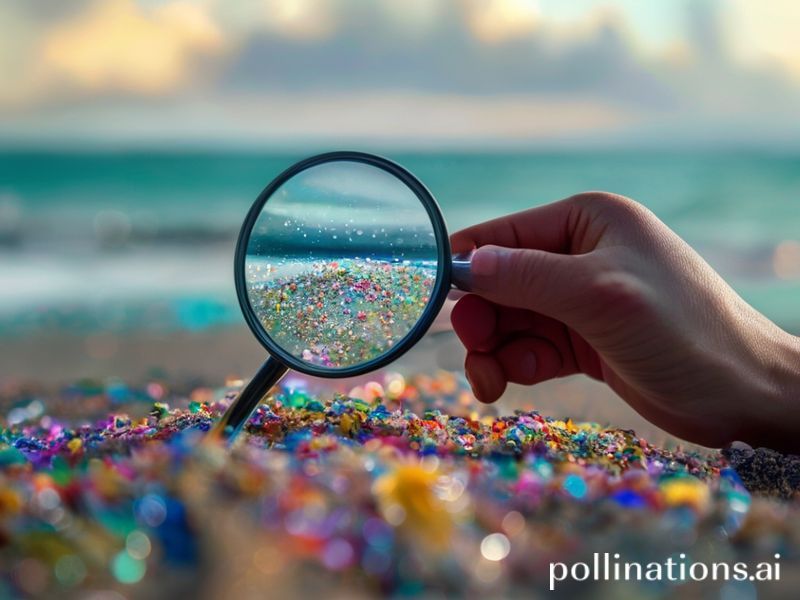
Microplastics are not a new phenomenon, but they’ve recently burst into the global consciousness, thanks to a combination of scientific research, environmental activism, and good old-fashioned internet outrage. These tiny plastic particles, less than 5mm in diameter, come from a variety of sources, including the breakdown of larger plastic debris, microbeads in cosmetics, and synthetic fibers from clothing.
The problem? They’re everywhere. Scientists have found microplastics in the deepest parts of the ocean, in the Arctic ice, and even in the air we breathe. They’ve been detected in tap water, bottled water, and even in our poop. Yes, you read that right too. A study published in the journal *Environmental Science & Technology* found microplastics in human stool samples, sparking a wave of panic and memes across the internet.
## The Cultural Context: From Meme to Menace
The internet has a way of turning serious issues into memes, and microplastics are no exception. From “microplastics in my poop” jokes to “I’m not a plastic bag” memes, the topic has become a hotbed of dark humor and satire. But beneath the laughs, there’s a growing awareness of the seriousness of the issue.
The rise of environmental activism, particularly among younger generations, has also played a significant role in bringing microplastics into the spotlight. Movements like #BreakFreeFromPlastic and #PlasticFreeJuly have gained traction on social media, with activists using the platforms to raise awareness, share information, and mobilize support.
## The Social Impact: A Global Wake-Up Call
The trend of microplastics is not just about raising awareness; it’s about driving change. The global outcry over microplastics has led to policy changes, with several countries banning microbeads in cosmetics and other products. The European Union has even proposed a ban on certain single-use plastics, citing the threat of microplastics as one of the reasons.
But the social impact goes beyond policy changes. The trend has sparked a global conversation about our relationship with plastic, our consumption habits, and our impact on the environment. It’s a wake-up call, a reminder that our actions have consequences, and that we all have a role to play in protecting our planet.
## Why Microplastics Matter: The Significance of the Trend
So why is this trend significant? Why should you care about microplastics? Well, for starters, they’re in your body. And not just in your poop. Scientists are still studying the health effects of microplastics, but early research suggests they could be linked to a range of health issues, from inflammation to cancer.
But beyond the personal health implications, microplastics are a symptom of a much larger problem: our throwaway culture. We live in a world where convenience often trumps sustainability, where single-use plastics are the norm, and where we’re only just beginning to understand the consequences of our actions.
The trend of microplastics is a wake-up call, a reminder that we need to change our ways, that we need to reduce our plastic consumption, and that we need to find sustainable alternatives. It’s a trend that’s not just trending; it’s a trend that’s here to stay, and it’s a trend that demands action.
## The Bottom Line
So, as you scroll through your social media feeds, laughing at the latest microplastics meme, remember that there’s a serious message behind the joke. Microplastics are a global problem, a problem that requires global action. And while the internet may have turned them into a meme, it’s also a powerful tool for raising awareness, driving change, and protecting our planet.
So, let’s laugh at the memes, but let’s also take action. Let’s reduce our plastic consumption, support environmental activism, and demand policy changes. Because the tiny invaders are here, and it’s up to us to fight back.